

Basement Waterproofing for Spring Hill, TN Homes
We use coordinated basement waterproofing solutions to help manage intrusive water, hydrostatic pressure, and moisture that can reduce usable space in Spring Hill homes. Our Certified Structural Technician evaluates how and where water enters your basement, then recommends interior or exterior systems, moisture control solutions, and home air quality systems that work together as a customized plan. By focusing on water intrusion management and structural damage prevention rather than quick cosmetic fixes, we aim to help protect storage, finishes, and mechanical equipment while supporting healthier indoor conditions.
Overview of Basement Waterproofing Solutions
Basement waterproofing solutions describe the coordinated water management steps we use to help keep wet, leaky basements drier and more usable for everyday activities. During a free basement evaluation, our Certified Structural Technician studies entry paths such as floor cracks, sweating walls, and window wells while also listening to your goals for the space and overall budget. From there, we outline options that may prioritize reclaiming living areas, reducing hydrostatic pressure around the walls, or improving storage conditions so belongings are less exposed to moisture.
Our approach relies on two main methods: interior systems that manage water after it enters and exterior methods that help intercept water before it reaches interior surfaces. Interior configurations may include drainage channels and sump pump discharge paths that collect water along the floor or wall and route it away from the structure. Exterior designs often use an exterior moisture barrier and dedicated drains to help move water down to safe collection points outside the wall. Many homeowners combine these basement waterproofing solutions with home air quality systems to address humidity and odors once bulk water is controlled.
Recognizing Signs of Water Intrusion and Structural Movement
Visible warning signs of water intrusion often start with a wet or leaky basement where water enters through floor cracks, gaps between the footer and slab, cracks in walls, or over the footer. These conditions suggest that water intrusion management is needed to help reduce hydrostatic pressure and protect finishes, storage, and mechanical systems in the basement. Cracked or bowing walls may indicate pressure from saturated soils, and as cracks widen or tilting increases, the risk of settlement and loss of stability grows, which calls for prompt evaluation by a Certified Structural Technician.
Sweating walls and damp window sills suggest constant moisture inside block cavities or around window wells that can eventually seep into living areas. Pooled water in window wells points to drainage challenges that allow water to bypass the wall and enter at joints or seams, while floor cracks can allow subsurface water to rise from under the slab when pressure builds. Over time, these warning signs may affect structural damage prevention goals and contribute to a gradual loss of usable living space. While waiting for a free basement evaluation, homeowners can move items off the floor, unplug non‑essential electrical devices in damp zones, and document leak patterns during and after rain.
How Water Enters Spring Hill Basements
Water around a basement follows the path of least resistance, exploiting small gaps in concrete, mortar joints, and masonry as soils become saturated. As water fills pore spaces in the soil, it builds lateral and upward force known as hydrostatic pressure that presses on the floor and walls until it finds a way inside. Our Certified Structural Technician looks for these specific entry paths so we can discuss hydrostatic pressure solutions that help manage underlying causes instead of simply covering symptoms with sealants or patch materials based on common basement leakage patterns.
Common water entry points include floor cracks where excess water under the slab forces moisture up into the living space, gaps left between the footer and poured floor, and bleeding or sweating walls where block cavities hold moisture. Cracks in walls and mortar joints may open under pressure, allowing water to track into finished rooms, while water can also move over the footer at the joint where the wall meets the footer itself. By identifying which of these paths are active in your Spring Hill basement, we can match basement waterproofing solutions more precisely to observed conditions and long‑term goals for the space.
Consequences of Ignoring Basement Moisture
When basement moisture is ignored, water intrusion often grows from a minor nuisance into issues that reduce how you can safely use the space. Standing water, sweating walls, and leaks through floor or wall joints may lead to a loss of valuable living space, making areas less suitable for storage, recreation, or mechanical equipment. Persistent moisture also adds to hydrostatic pressure around the structure, which may contribute to settlement concerns, cracking, and bowing or leaning walls that call for coordinated foundation repair and water intrusion management strategies.
Damp conditions can support mold, mildew, and other moisture‑related contaminants that aggravate allergies and contribute to poor indoor air quality throughout the home. Water on floors and near outlets introduces electrical hazards, while furnaces, water heaters, and other appliances located in the basement are exposed to rust, corrosion, and potential premature wear. By combining foundation repair where needed with targeted moisture control solutions and home air quality systems, we can help manage these risks as part of a single, integrated plan. Scheduling a free basement evaluation is a practical step toward understanding how these factors interact in your home.
Interior Basement Waterproofing Methods
With interior basement waterproofing, we intentionally allow water to reach predictable collection points, then guide it away before it spreads across floors or into finished walls. Our Certified Structural Technician evaluates how water is moving through floor cracks, over the footer, or along sweating walls, then tailors an interior configuration built around components such as the Water Lock Plus™ perimeter discharge system, sump pump basins, and under‑floor drainage paths. This approach focuses on safely routing water rather than trying to block it at every location.
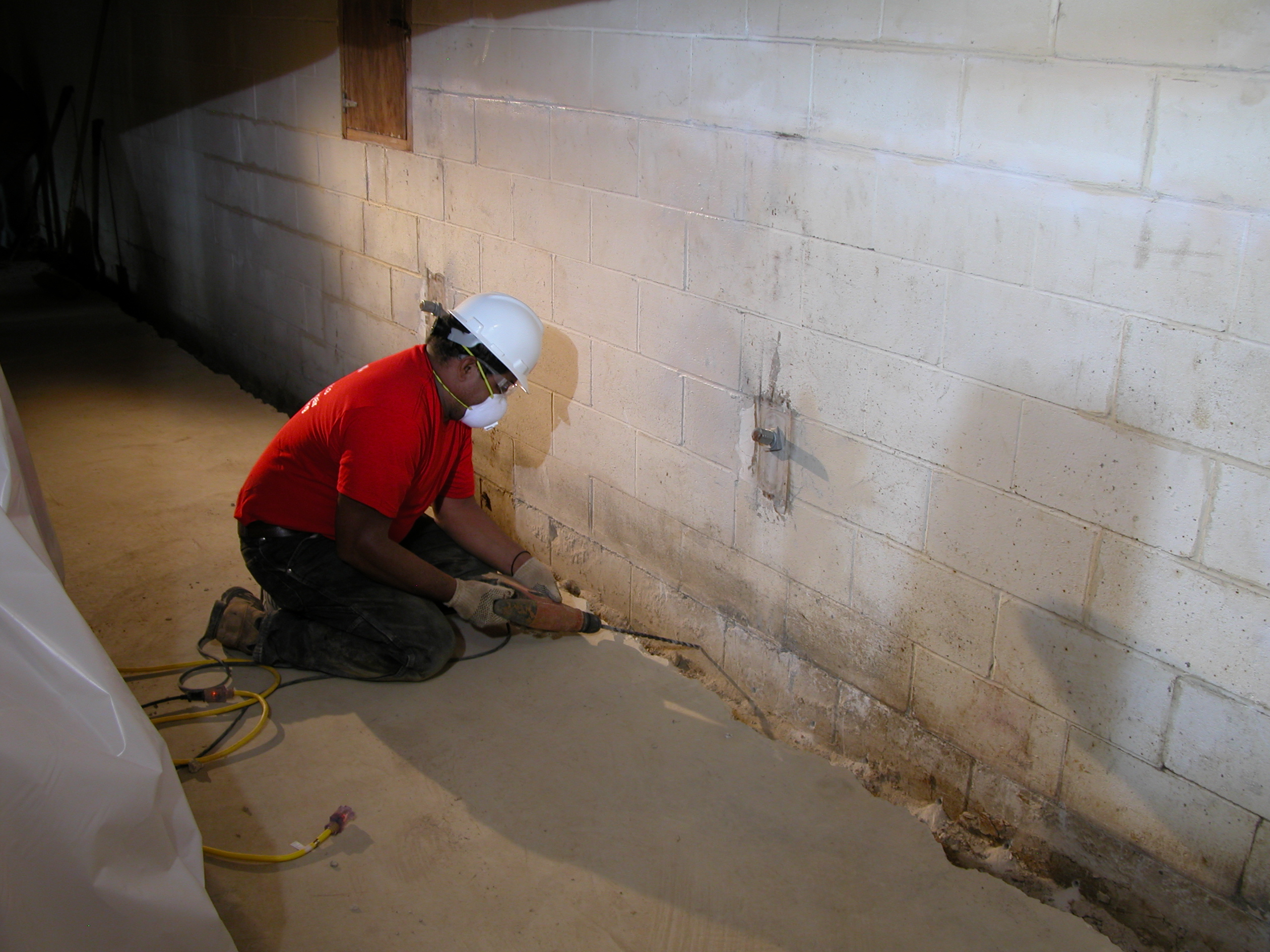
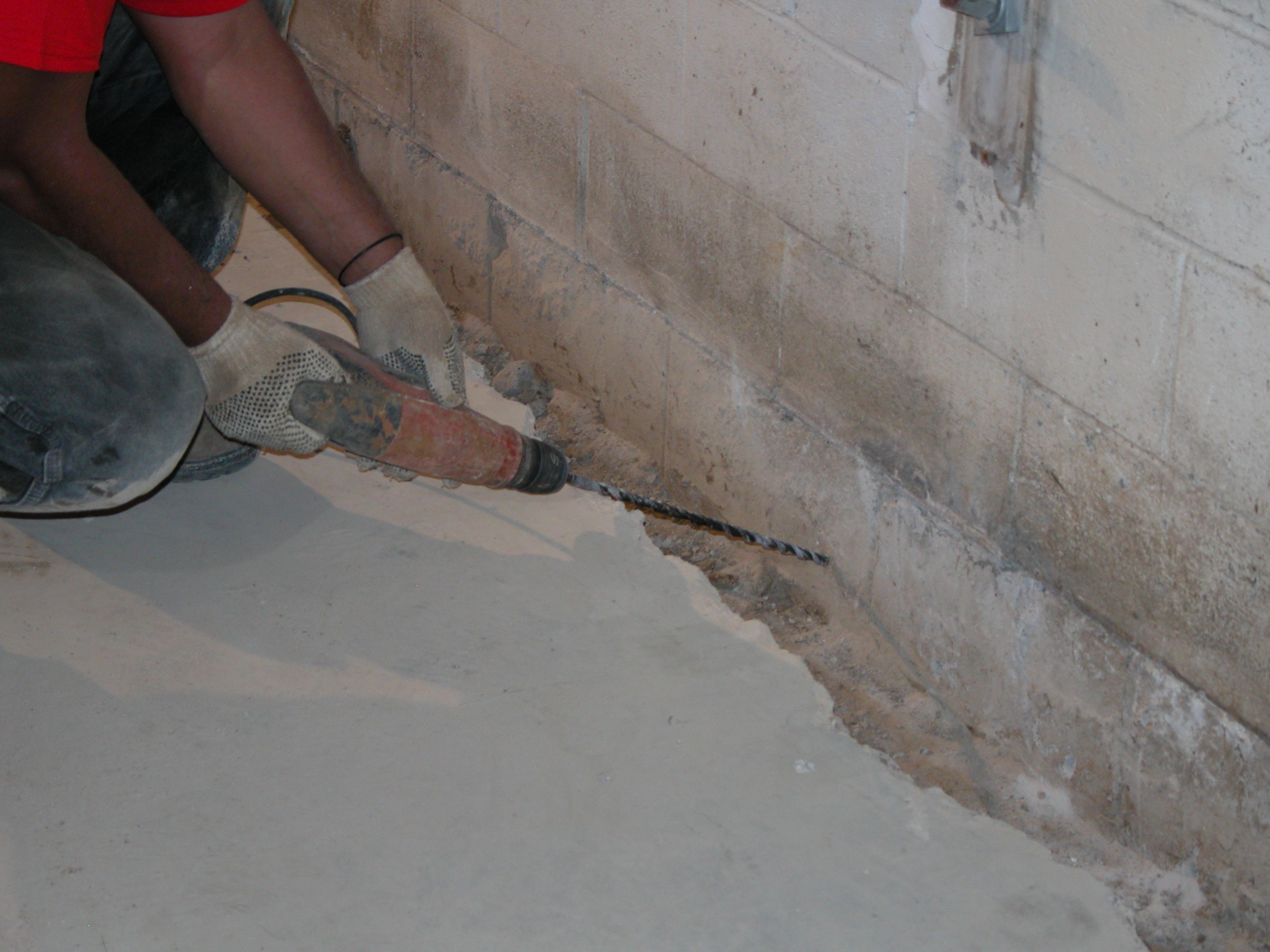
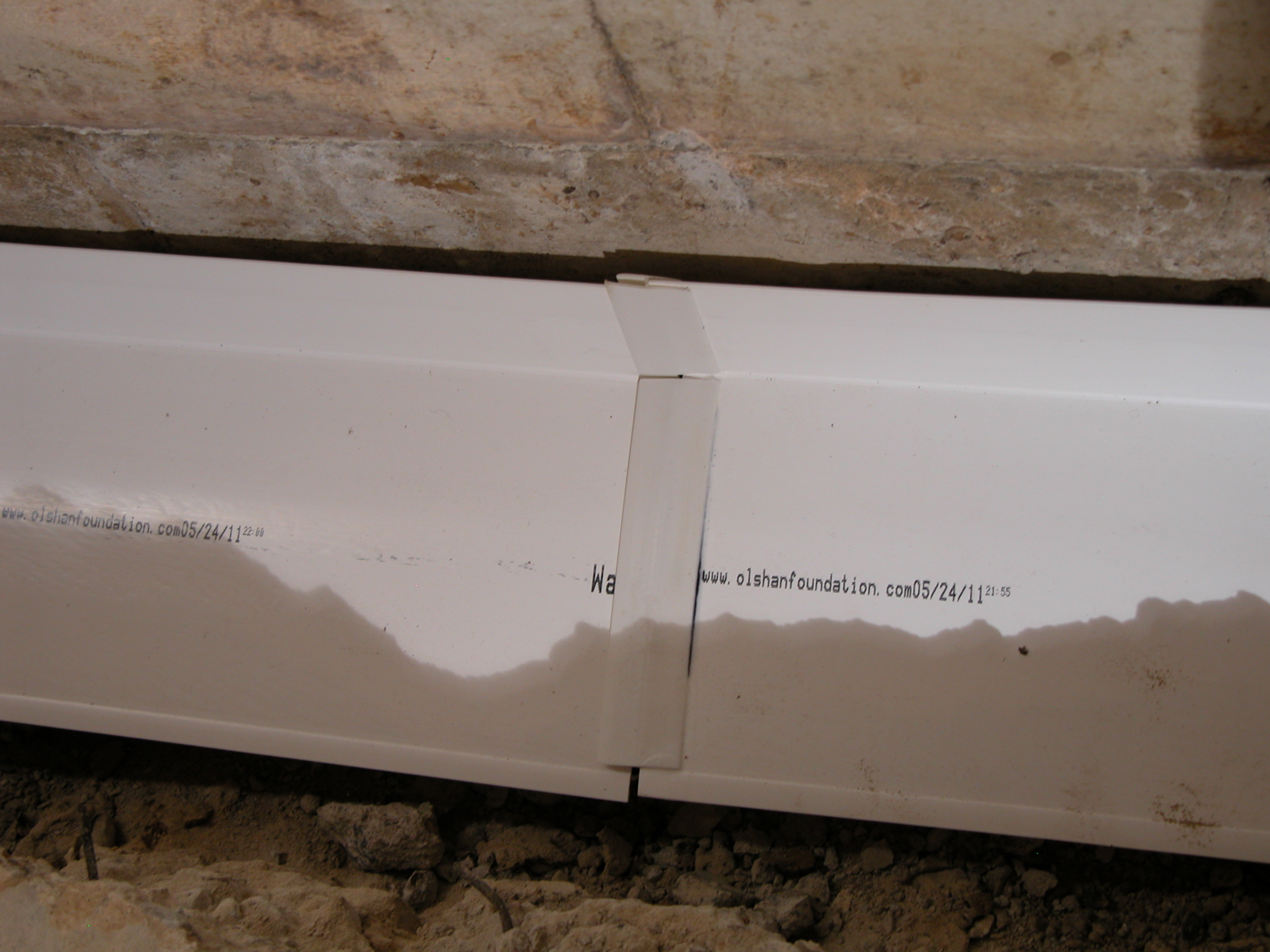
In many basements, we create a narrow breakout along the perimeter to install Water Lock Plus™ with under‑floor drain components so water is captured at the base of the wall and beneath the slab using purpose-built interior technology. Where a monolithic slab is present, we use baseboard water channels to collect seepage at the floor‑wall joint without extensive demolition. Wall Shield interior moisture barrier can be added to help manage moisture on interior wall surfaces and direct it into the drainage system, supporting both water control and cleaner finishes in the basement environment.
Exterior Waterproofing Options for Spring Hill Homes
Exterior waterproofing focuses on managing water before it reaches basement walls, which can be helpful for finished spaces or where exterior access is practical. A Certified Structural Technician begins by locating seepage paths such as water moving over the footer, through wall cracks, or at joints between the footer and floor. When exterior work is appropriate, we excavate along the outside of the basement wall to expose the structure and footing so we can address known problem areas directly rather than guessing from the interior.
After excavation, we install an exterior moisture barrier and complementary components such as dimple board to support an exterior wall waterproofing system that helps move water down to collection points along the outside of the foundation. Below grade, a footer drain with gravel fill can help discharge pooling water and relieve hydrostatic pressure acting on the wall, while surface drains may collect water that accumulates at ground level. In some basements, we recommend sump pumps or gravity discharge to move collected water away from the house, with the specific design based on site slope, soil type, and how you plan to use the finished or unfinished basement over time.
Products and Moisture Control Solutions We Use
We rely on a toolbox of moisture control solutions to help manage water intrusion in Spring Hill basements, tailoring product combinations to each property. Water Lock Plus™ functions as an interior discharge system installed along the perimeter to capture water entering at the floor‑wall joint and route it toward a sump pump or gravity outlet as part of a coordinated interior system. Pipe and rock configurations use crush‑resistant pipe encased in stone to help convey collected water, while surface glue down integrates drainage components with certain interior wall systems where space is limited.
Segmented pipe introduces multiple moisture collection points, and the baseboard water channel manages water along monolithic slabs where breaking out concrete is not practical by following the slab edges. Wall Shield interior moisture barrier is applied to basement walls to help manage seepage and direct it into drainage components without relying solely on surface coatings. Sump pumps and gravity discharge options provide ways to move captured water away from the foundation, with specific guidance available on each configuration through detailed sump pump resources. Our Certified Structural Technician selects and combines these tools based on observed water paths and long‑term goals for structural damage prevention.
Integrating Foundation Repair and Air Quality Improvements
Basement waterproofing alone may only address the water you see, while underlying foundation movement or air quality concerns continue to develop. During a free basement evaluation, our certified technician studies both how water enters—through floor cracks, over or under the footer, sweating walls, window wells, or mortar joint cracks—and how walls and floors are performing structurally. When wall movement or settlement is present, we often recommend pairing foundation repair with interior drainage systems or exterior hydrostatic pressure solutions so water control and structural support work together instead of in isolation.
Because excessive moisture can support mold growth and contribute to poor indoor air quality throughout the home, we frequently consider basement dehumidifiers and home air quality systems once water paths are better managed. This combination helps reduce humidity, limit musty odors, and support more comfortable conditions in finished living areas above. By viewing the basement as part of the overall structure rather than a separate space, we can align foundation repair, water intrusion management, and air quality strategies into a single plan customized to the way you use your Spring Hill home.
Ongoing Maintenance Plans and Long‑Term Moisture Control
Ongoing care plays an important role in long‑term moisture control because water continually looks for new paths through floor cracks, wall cracks, and gaps around the footer. Our Certified Structural Technician can recommend ongoing maintenance plans that focus on monitoring key entry points, checking the performance of interior and exterior drainage components, and confirming that sump pump basins, pumps, and discharge lines continue to move collected water away from the foundation as intended. These visits also offer an opportunity to review any changes in how you use the basement, such as new finishes or added storage.
Between professional visits, homeowners can support these maintenance plans with simple visual checks that do not replace professional evaluation but help reduce the risk of undetected moisture. You can look for new cracks or staining on floors and walls, check for pooling water near downspouts and along the exterior perimeter, and confirm that sump pump discharge areas remain unobstructed. Noting musty odors or visible condensation may also provide early clues that humidity is rising and additional moisture control solutions could be helpful. By combining periodic professional assessments with homeowner awareness, we can adapt basement waterproofing solutions as site and soil conditions around the home evolve.
Local Service Support and Next Steps for Spring Hill Homeowners
For homeowners in Spring Hill, our first step is a free basement evaluation performed by a Certified Structural Technician who focuses on both water paths and foundation performance. During this visit, we review signs of water intrusion such as floor cracks, moisture at wall joints, sweating walls, window well seepage, or bowing and tilted walls, then discuss interior or exterior basement waterproofing solutions that can help manage intrusive water and hydrostatic pressure. Recommendations are aligned with your home improvement goals, plans for future finishes, and overall budget so the plan reflects how you use the space.
We support this process with clear estimates, experienced technicians, cost‑conscious basement waterproofing solutions, and convenient payment plans that can make projects more manageable for many families. Our goal is to help you protect valuable living space, support foundation performance, and improve indoor comfort by addressing water intrusion, moisture, and air quality together. Contact us, to explore which options may fit your needs, protect your home with coordinated basement waterproofing solutions, and schedule time with a specialist.