
Basement Waterproofing for Mount Juliet, TN Homes
Basement waterproofing for homes in Mount Juliet plays a key role in protecting living space, foundation performance, and indoor air quality. We focus on how water reaches the basement, how it moves through cracks and joints, and which systems can help manage it safely. Our Certified Structural Technician evaluates where moisture is entering, how hydrostatic pressure is acting on the walls and slab, and whether interior or exterior basement waterproofing, or a combined approach, best supports long-term moisture control. By coordinating water management, cracked walls repair, and home foundation repair strategies, we help reduce the risk of recurring problems and support a healthier indoor environment.
Overview of Basement Waterproofing and Why It Matters
When we talk about basement waterproofing for homes in Mount Juliet, we mean a structured process of managing how water reaches, enters, and moves through the basement so it can be safely collected and discharged. Basement foundations are naturally vulnerable to seepage at floor cracks, wall joints, window areas, and along the footer, where pressure and water movement can create several distinct leak paths into the home. Unaddressed moisture can contribute to damaged walls, unusable living space, and poor indoor air quality, so early attention is important.
Our Certified Structural Technician evaluates where water is entering, the condition of the walls and slab, and how hydrostatic pressure is affecting the structure, then recommends interior or exterior basement waterproofing, or a combination. Interior options allow water to enter, then manage it away using systems such as Water Lock™ Plus, sump pumps, and optional Wall Shield panels to help reduce humidity and support air quality. Exterior solutions focus on helping water before it reaches interior surfaces through moisture barriers, dimple board, footer drains, and French drain installation. Because basement waterproofing ties directly into structural performance, we often coordinate these systems with broader home foundation repair plans where needed.
Recognizing Signs of a Wet Basement and Structural Risk
Recognizing early signs of a wet basement starts with watching how water and soil interact with the foundation. Floor cracks can allow water to migrate up from beneath the slab when subsurface moisture creates excess pressure, and these same cracks may indicate movement that calls for cracked walls repair as part of a larger plan. Bleeding or sweating walls, damp window sills, and water collecting in window wells show that moisture is moving through block walls, mortar joints, or around openings, often driven by hydrostatic pressure in surrounding soil.
Pooled water on the floor and bowed or tilted walls signal that moisture intrusion is combining with stress on the wall itself. Over time, these conditions may point to the need for targeted structural reinforcement and careful evaluation of overall foundation performance. If left unaddressed, the same pathways that let water in can contribute to mold, poor indoor air quality, electrical dangers, loss of usable basement space, and ongoing settlement concerns. Our moisture control strategies focus on helping manage these conditions before they create more complex home foundation repair needs.
How Water Gets Into Basements and Why Early Action Helps
Water typically enters a basement along several predictable paths, each driven by pressure from saturated soil. When excess water builds beneath the slab, it can push up through floor cracks, using even hairline openings as a release point, which aligns with the five main ways water gets into basements. Similar pressure under the structure helps force water through gaps between the slab and footer, or between the footer and wall, turning these construction joints into active leak lines.
Constant moisture against block or concrete can also create bleeding or sweating walls and window sills, allowing water to pool and raise humidity. As hydrostatic pressure increases around the foundation, cracks in walls and mortar joints may widen, admitting more water and hidden seepage inside block cavities. Early, comprehensive moisture control helps manage these pressures, reduce structural stress, and support healthier air. When these symptoms appear or worsen after storms, our Certified Structural Technician can complete a detailed evaluation and explain which basement waterproofing options best support the home’s conditions.
Assessment Process and Scheduling a Free Evaluation
During a free evaluation, our Certified Structural Technician conducts a structured, no-obligation assessment of the basement. We visually review walls, floors, window areas, and the footer-to-floor joint where water commonly enters, noting floor cracks, wall cracks, bowing, sweating walls, and any signs of hydrostatic pressure. We then compare interior symptoms with exterior grading or drainage patterns to understand how water is finding the path of least resistance into the home, keeping both basement waterproofing and home foundation repair considerations in view.
Homeowners in Mount Juliet can prepare by ensuring clear access to basement walls, sump pump or drain locations, and any prior repair areas, and by having photos of leaks or past water events available if conditions are currently dry. After the assessment, we explain whether interior basement waterproofing, exterior basement wall systems, sump pumps, French drain installation, or indoor air quality solutions best support the goals for the space. We also outline cost-aware repair plans with free evaluation summaries and written estimates so decisions can be made with confidence.
Interior Waterproofing Options and the Water Lock Plus System
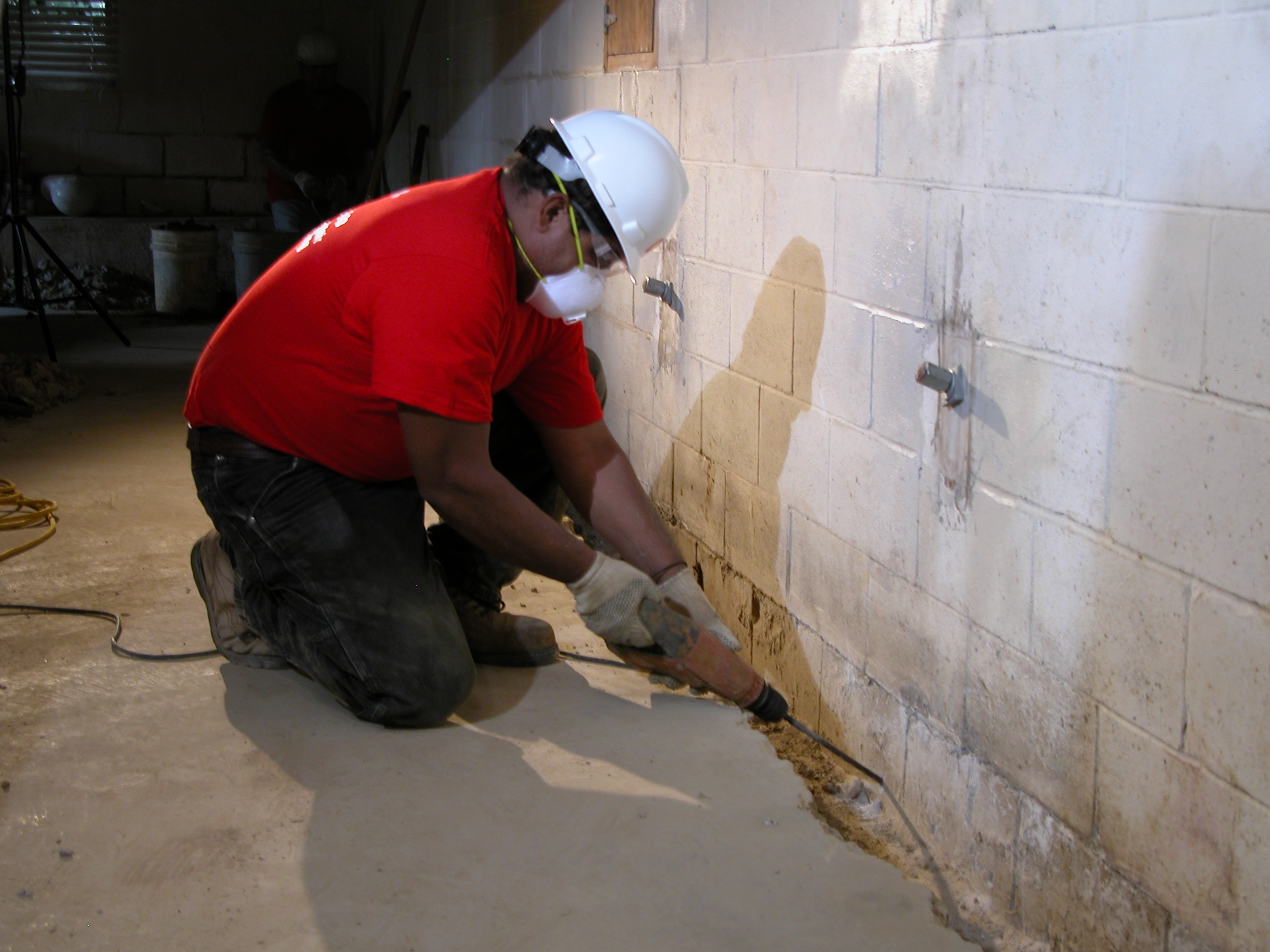
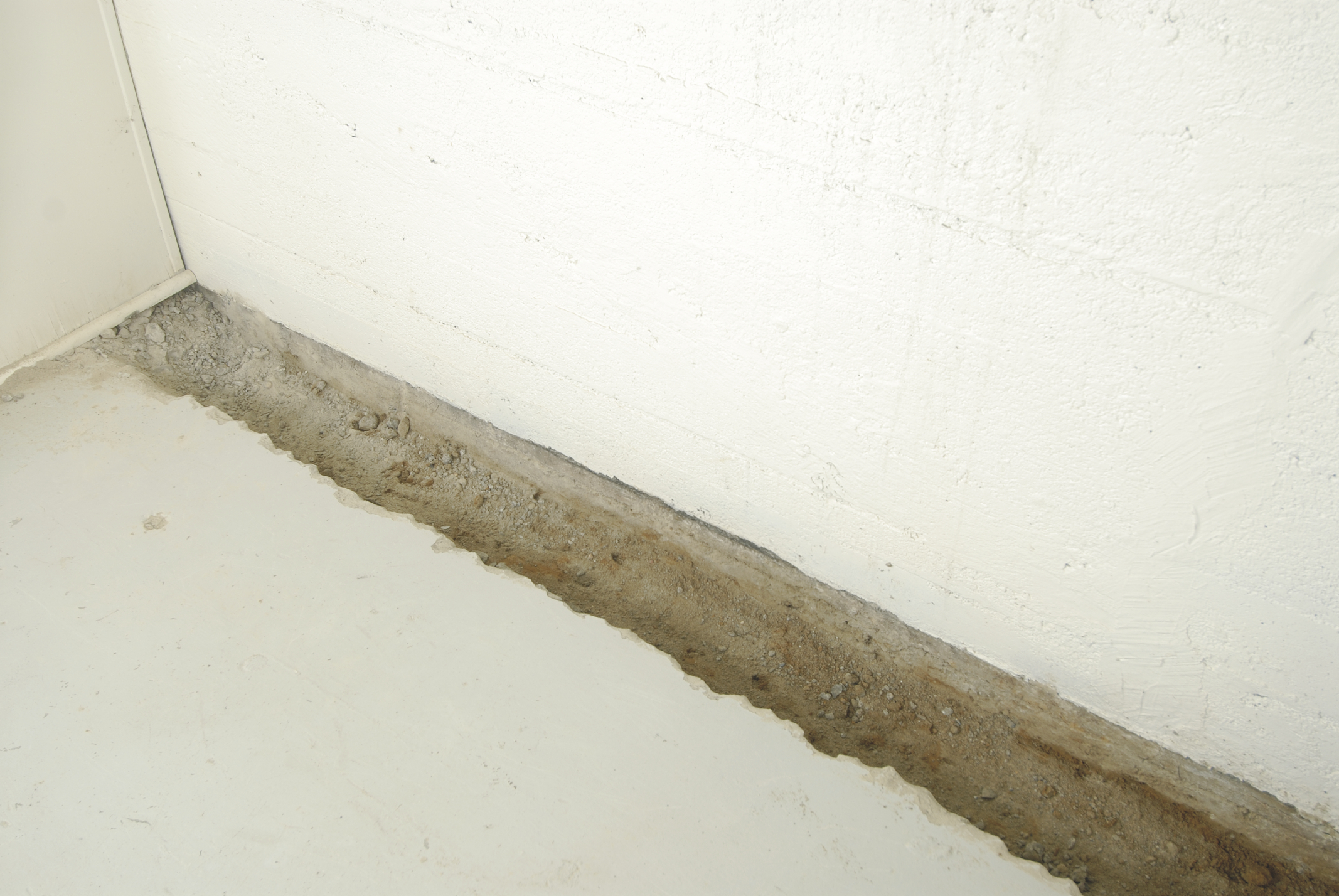
With interior basement waterproofing, we allow water to enter at typical leak points, then actively help manage it away through an interior drainage system such as Water Lock™ Plus and a sump pump or gravity drain. Our process follows a consistent sequence beginning with a controlled 6–8 concrete breakout along the basement perimeter without disturbing the footer. Drainage components sit on top of the footer and away from native soil to help reduce clogging.
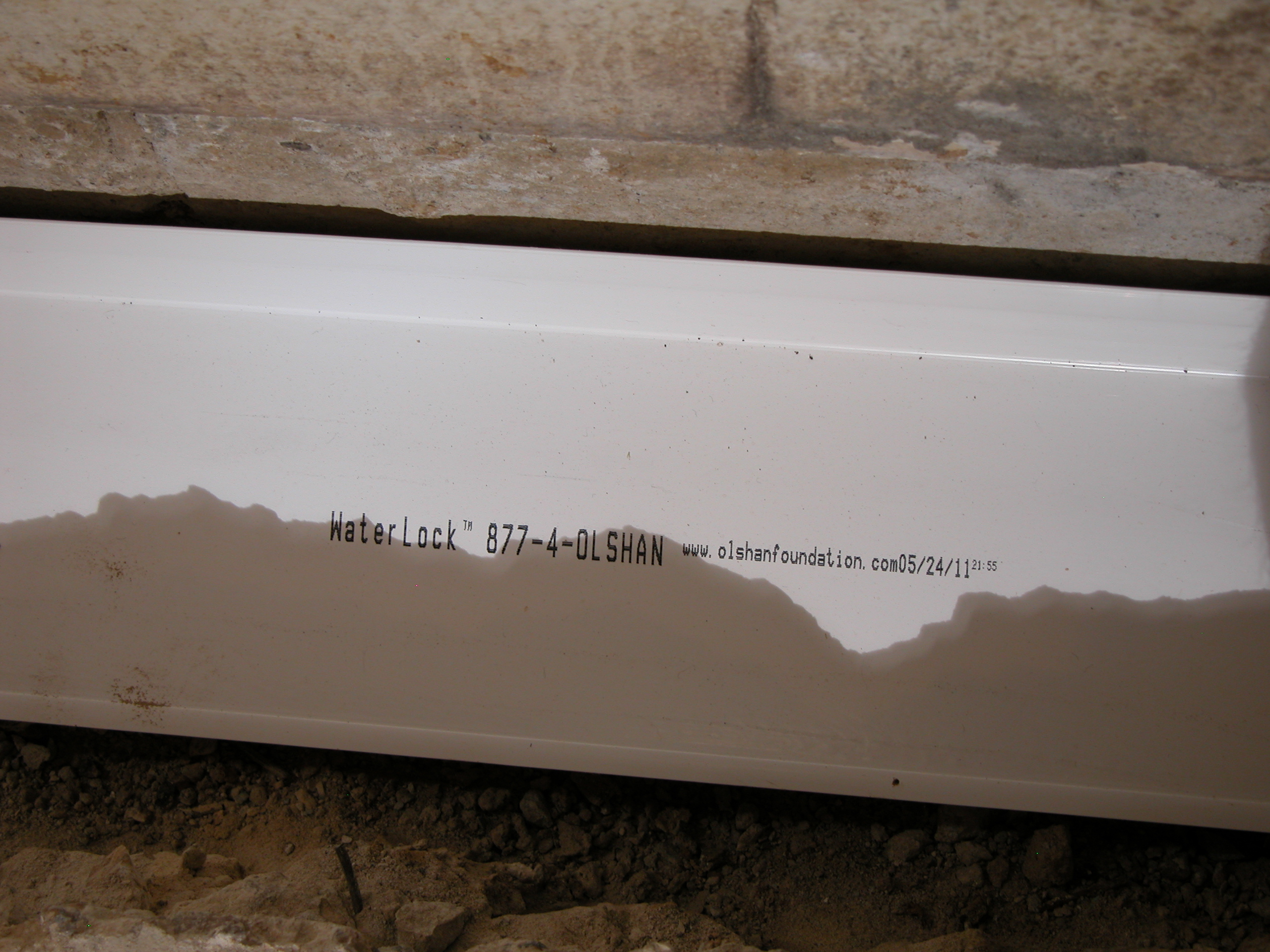
Our Certified Structural Technician designs a Water Lock™ Plus layout that uses a dual-channel pipe: one geo tech fabric-lined channel that acts as a filter and one open conduit channel. This dual system increases water entry points and helps keep the drain path clog-resistant while resisting crushing. During installation, we excavate to the footer, drill weep holes in block walls as needed, place the Water Lock™ Plus pipe, install the sump pump connection, then replace the concrete, typically within one to two days. Interior basement waterproofing may also integrate with Wall Shield panels to help direct water into the drain while enhancing indoor air quality solutions.
Exterior Waterproofing and Layered Lines of Defense
With exterior basement waterproofing, we work from the outside of the basement wall so water is helped at the source instead of being managed only after it seeps inside. A Certified Structural Technician evaluates how water is reaching the wall and how hydrostatic pressure is building up in the surrounding soil before recommending an exterior system. When this approach is appropriate, excavation exposes the basement wall down to the footer so a layered defense can be installed.
The first line of defense is a moisture barrier with dimple board that helps channel water down toward drainage rather than against the wall. A secondary membrane is applied to add protection against outside water tables and seepage. Washed gravel replaces native backfill to relieve built-up hydrostatic pressure and support reliable flow into the footer drain. The footer drain is placed outside the home to help move water away, where it is discharged by a sump pump or gravity flow. This configuration is especially helpful for finished basements in Mount Juliet where interior access is limited and water management is prioritized outside the living space.
Sump Pumps, Gravity Discharge, and System Selection
Choosing between sump pumps and gravity discharge starts with understanding how water reaches the Water Lock™ Plus or baseboard water channel and how it can be routed away from the foundation. Our Certified Structural Technician evaluates footing depth, available slope, estimated water volume, and whether excavation under the footer or through landscaping is appropriate. Submersible sump pumps actively move water from a basin through solid discharge pipe, using top suction to help reduce air lock and debris intake.
Available motor sizes, secondary backup pumps, WiFi alerts, corrosion-resistant construction, and battery backup options allow the discharge system to be tailored to flow rate needs and power-outage risk. Gravity discharge relies on a properly graded slope, exterior drainage pipe, and pop-up emitters to move water passively, offering high flow capacity and strong energy efficiency, but only where site elevations allow. Not every home qualifies for gravity discharge, so site-specific assessment is essential. In each case, the sump system integrates with basement waterproofing components so that water collection, discharge, and moisture control work together.
Wall Shield Panels and Indoor Air Quality Support
Wall Shield interior moisture barrier panels add a dedicated layer of defense on basement walls, helping us manage water and humidity as part of broader indoor air quality solutions. Each panel is installed over a four-mil liner placed between the material and the basement wall, then connected with joiners and sealed at the top. This configuration helps limit moisture vapor escape while directing seepage into the drainage system.
Water that seeps through cracks, mortar joints, window areas, or sweating walls is guided down behind the panels into the interior water management system, where it can be collected and discharged away from the foundation. The durable, low-maintenance panels are washable and can be painted if desired, providing a clean, semi-finished appearance that works well in finished or semi-finished basements. Wall Shield is designed to integrate with Water Lock™ Plus and with the baseboard water channel used on monolithic slabs, helping reduce wall moisture, mold, mildew, allergens, and excess humidity as part of a complete moisture control plan.
Monolithic Slab Basements and Baseboard Water Channel
A monolithic slab basement combines the floor and footings into one structural element so the slab and supporting beams act together. Because of this connection, breaking through the floor to create interior drains can disturb how loads are transferred into the foundation and may introduce new movement or cracking. Our approach for these basements emphasizes keeping the slab intact whenever possible.
To help manage seepage while maintaining a continuous slab, we use a baseboard water channel configuration. A controlled groove is created at the wall line with a slight, consistent slope to encourage flow toward a discharge point. A moisture-resistant bonding agent and flush port support performance and future service. The channel is custom fit to the basement layout and can be configured to work with a sump pump or a gravity drain. This non-destructive configuration is especially helpful in finished basements, where preserving flooring and wall systems is a priority while still coordinating basement waterproofing with any needed home foundation repair work.
Coordinating Structural Repair, Moisture Control, and Next Steps
Our Certified Structural Technician looks at structure, water, and air together, so home foundation repair recommendations are coordinated with interior and exterior basement waterproofing, sump pumps, French drain installation, dehumidifiers, and indoor air quality solutions. By aligning structural adjustments with water management components such as Water Lock™ Plus, Wall Shield, and appropriate discharge methods, we help reduce hydrostatic pressure, moisture migration, and the risk of recurring wall or floor cracks that could require ongoing cracked walls repair.
Many of our basement waterproofing systems, including Water Lock™ Plus configurations, are backed by clearly defined warranty coverage for the installed components, with terms explained before work begins. For homes in Mount Juliet, next steps are straightforward: schedule the free evaluation, clear stored items from basement walls and key access points so our team can review cracks, seepage paths, and equipment locations, and discuss goals for usable space and moisture control. Protecting the basement helps support overall foundation performance, indoor air quality, and long-term comfort for everyone in the home. Protecting the basement helps support overall foundation performance, indoor air quality, and long-term comfort. Contact us is you are ready to explore basement waterproofing options can request a convenient appointment to begin the process.