Basement Waterproofing for Lebanon, TN Homes
We use basement waterproofing to help protect valuable living space and support the structural integrity of homes around Lebanon. Our approach to water intrusion management focuses on interior and exterior options that can be tailored to each property, with solutions designed to help reduce moisture, manage hydrostatic pressure, and support healthier indoor air quality. We rely on a Certified Structural Technician to evaluate the basement, explain the findings, and recommend options that align with your goals and budget.
Why Basement Waterproofing Matters for Your Home
Basement foundations sit directly against soil that can hold a surprising amount of water. When that moisture is not managed, it can turn a comfortable lower-level room into a damp space you avoid. Water may find its way through floor cracks, wall cracks, sweating concrete, or gaps between the footer and slab, and these pathways reduce livable square footage and may leave stored belongings damaged or unusable. In many homes, this is where basement moisture control becomes an important consideration.
Lingering dampness can support conditions that contribute to mold, mildew, and allergy concerns, while excess moisture around electrical components, furnaces, and other appliances may increase the risk of damage or unsafe conditions. Over time, hydrostatic pressure from saturated soil can push against basement walls, contributing to bowing, tilting, cracking, and home foundation issues such as settlement. Thoughtful basement waterproofing can help manage those water paths before they grow into larger structural concerns.
When we address seepage and pressure early, we often help reduce the scope and potential cost of later structural repair needs while also supporting better air movement and comfort in the home. Our goal is to pair practical water intrusion management with structural repair services that support long-term performance.
How Water Intrusion Management Addresses Common Entry Paths
We start water intrusion management by looking at the many ways water can move into a basement. Water may travel through porous concrete, along cracks in floors or walls, at gaps near windows, or at the joint where the wall meets the slab, and each of these routes can be handled with different tools and methods that address specific entry points. Our technicians consider both visible leaks and less obvious signs such as damp spots, efflorescence, or musty odors.
Once we understand the patterns, we can recommend basement waterproofing strategies that help collect and redirect water rather than allowing it to pool inside. Some solutions focus on capturing seepage along the interior perimeter, while others address moisture at the exterior wall surface or beneath the slab. By combining interior and exterior options, we can build a layered approach that supports the structure and helps protect finished spaces.
This focus on how water enters the home guides our choices about drains, channels, and discharge routes. When water is managed consistently, basements are better positioned to remain comfortable and usable, even during periods of heavy rain.
Interior Basement Waterproofing With Water Lock™ Plus
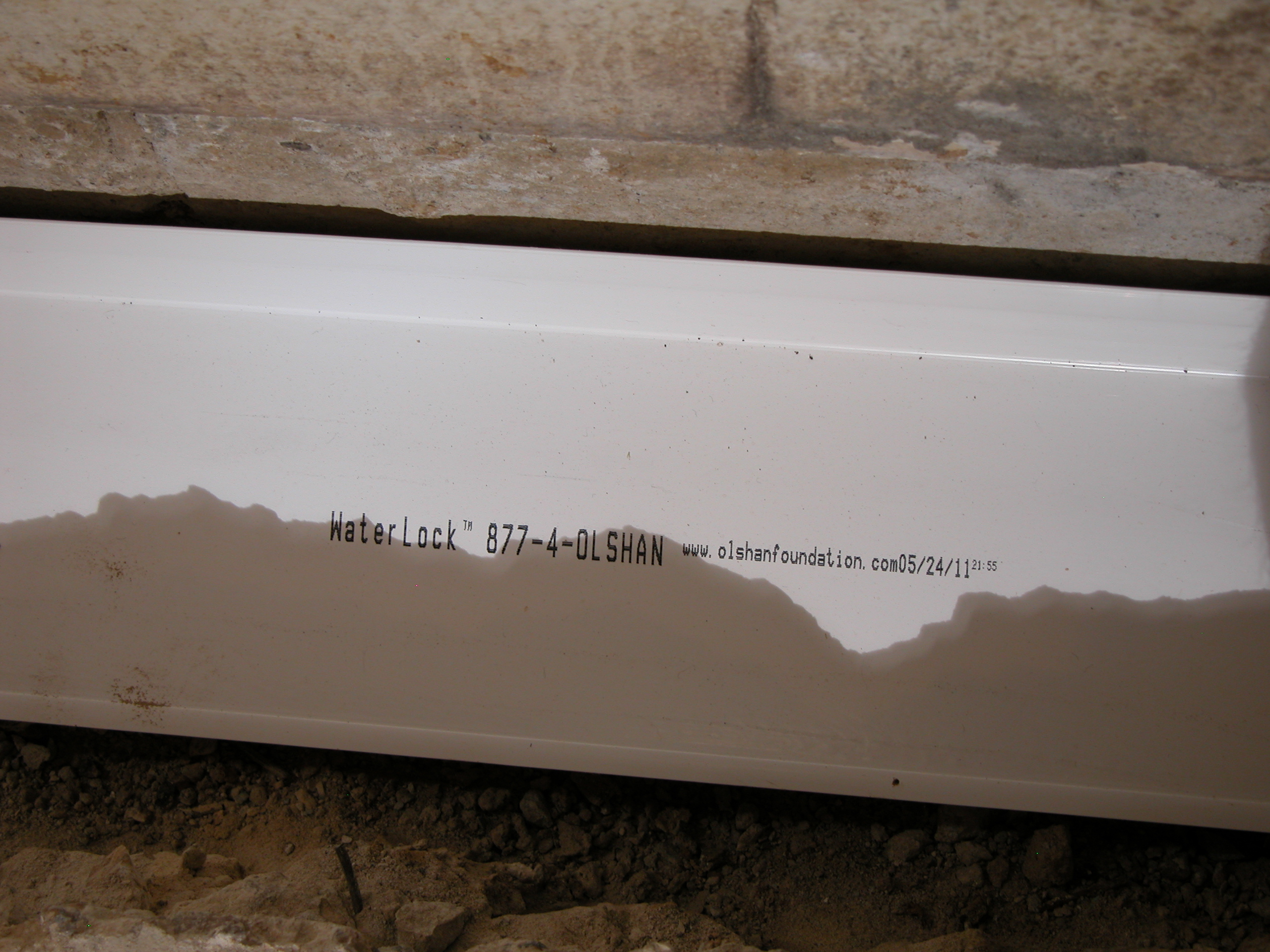
For many Lebanon homes, interior basement waterproofing offers an efficient way to help manage seepage with less disruption to landscaping and exterior features. Our Water Lock™ Plus interior system is purpose-built to collect water that seeps through walls or floors and guide it into a controlled drainage path, forming part of a broader water intrusion management strategy that reflects decades of innovation. We recommend this approach when wall or floor seepage is the primary concern.
Water Lock™ Plus helps intercept water along the footing and channels it toward a discharge point, which may be connected to sump pump systems or gravity outlets depending on site conditions. Because the system is installed at the interior edge of the slab, it can often be paired with finished walls and flooring, helping homeowners reclaim basement living space.
Our certified technicians explain how the Water Lock™ Plus components work together and outline what homeowners can expect during the installation process, from cutting a narrow trench at the slab edge to placing drainage media and closing the floor surface once the system is in place according to our established installation steps. This helps reduce surprises and allows you to plan around daily routines.
Exterior Basement Waterproofing Options for Lebanon Properties
In some situations, the best way to help keep a basement dry is to address water before it reaches the interior. Exterior basement wall waterproofing focuses on the outside of the foundation, where soil and drainage conditions can have a large impact on performance. When we consider this option, our team looks at grading, downspout discharge, and soil type to understand how water moves around the home.
When exterior basement waterproofing is appropriate, our technicians may recommend excavating down to the wall, cleaning the surface, and applying specialized coatings and drainage materials that help limit direct water contact along the exterior surface of the basement wall. This method can be especially helpful when there is significant lateral pressure or when interior finishes are already in place that you want to preserve.
Because exterior work involves more access and coordination, we take time to explain the steps, the expected timeline, and how this option compares with interior basement waterproofing. Our goal is to help you choose the combination of methods that best supports your foundation and fits your long-term plans for the basement.
Wall Shield, Bowing Walls, and Hydrostatic Pressure Solutions
Basement walls that show signs of bowing, cracking, or inward movement can be a signal that hydrostatic pressure or soil movement is affecting the structure. When we see bowing walls, we consider both water management and structural repair services so the solution supports the wall and addresses the conditions that contributed to movement. Our Wall Shield interior moisture barrier is designed to help manage seepage on damp walls and direct water into interior drainage systems so that moisture does not freely enter the living space.
Hydrostatic pressure solutions often combine improved drainage, interior channels, and, when needed, structural supports to help reduce the forces pushing against the basement wall. By pairing moisture control with reinforcement where appropriate, we can help reduce the risk of ongoing movement and support overall home stability. Addressing these conditions early is an important part of home foundation upkeep for many properties with basements.
Our technicians will explain what they see, discuss whether wall movement appears active or historical, and outline options that may include interior barriers, improved drainage, or coordination with structural repair services for more advanced conditions. This collaborative approach helps homeowners make informed decisions about both water and structural concerns.
Sump Pump Systems and Gravity Discharge Approaches
Many basement waterproofing systems rely on a reliable way to move collected water safely away from the home. Sump pump systems are one of the most common tools for this job, using a sump basin and pump to move water to an approved discharge point even when the ground outside is saturated. When we design these systems, we look at how much water is likely to reach the basin and where it can be discharged without cycling back toward the foundation through thoughtful sump pump and gravity design.
In some properties, gravity discharge may be a practical option, allowing water collected by interior basement waterproofing systems to flow away without mechanical pumps. Where this is possible, it can simplify long-term maintenance and reduce reliance on power during storms. Our certified technicians explain both options and help you compare them based on your site layout and preferences.
Whether we use sump pump systems, gravity discharge, or a combination, the goal is the same: to help move water away from the home in a controlled way. This helps protect finished spaces, stored items, and mechanical equipment from recurring moisture exposure and supports the broader water intrusion management plan.
How Basement Conditions Affect Air Quality and Comfort
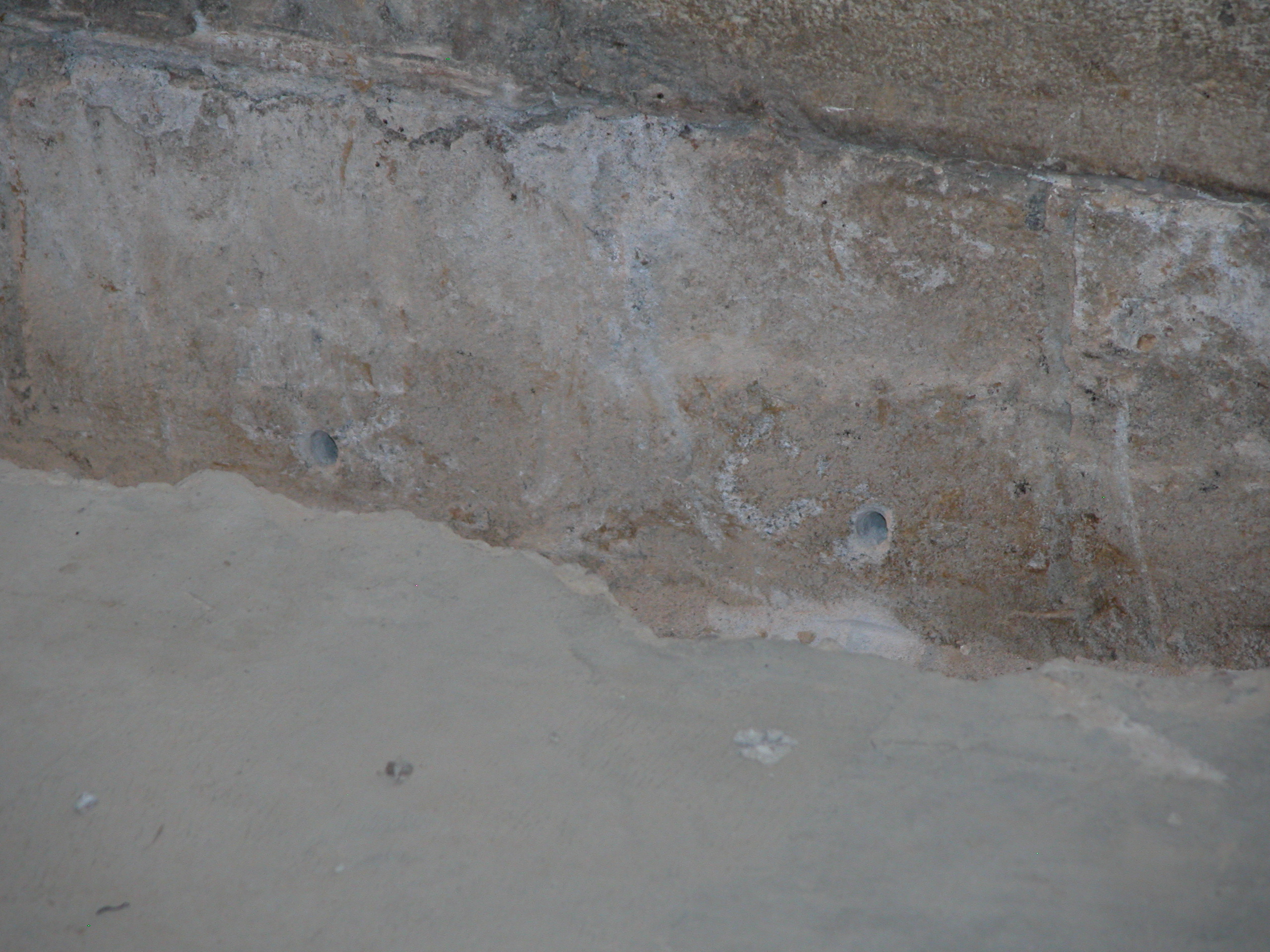
Conditions in the basement can influence air quality throughout the home because air moves between levels. Damp walls, musty odors, and visible staining often indicate that moisture is present, and that moisture can support conditions associated with mold and mildew growth. When we apply basement waterproofing, we aim not only to help keep surfaces drier but also to support a healthier indoor environment for the entire household.
By directing water into controlled drainage paths, combining interior systems such as Water Lock™ Plus with barriers like Wall Shield, and improving discharge routes, we can help reduce the dampness that contributes to discomfort. This approach works alongside other air quality solutions you may use in the home, such as dehumidification or ventilation, by addressing the water at its source rather than only treating the symptoms.
Homeowners often find that once water intrusion management is in place, basement spaces feel more comfortable and are easier to keep clean. That can make it more practical to finish these areas for living, storage, or hobby space while supporting long-term home foundation upkeep.
Free Basement Evaluation and the Role of Certified Structural Technicians
Choosing the right combination of basement waterproofing options starts with understanding what is happening in your specific home. We offer a free basement evaluation where a Certified Structural Technician visits the property, reviews visible signs of moisture or movement, and discusses your goals for the space. During this evaluation, the specialist may look at cracks, water stains, wall alignment, and exterior drainage patterns to build a clear picture of conditions.
After gathering this information, our technician explains possible water intrusion management strategies, ranging from interior systems like Water Lock™ Plus to exterior basement waterproofing or adjustments to discharge routes. When foundation movement is present, we may also discuss how structural repair services can work together with moisture control to support stability and safety.
Because the free basement evaluation is no-obligation, homeowners can take time to review the recommendations, ask questions, and compare options. We also explain how warranty coverage may apply to certain systems through our Water Lock™ Plus warranty programs, so you understand how your investment is supported over time.
Integrated Structural Repair Services for Home Foundation Issues
Basement moisture is often connected to broader home foundation issues, especially when prolonged water exposure affects soil support or wall stability. When our team identifies signs of settlement, significant cracking, or ongoing movement, we may recommend structural repair services in addition to basement waterproofing. This could involve coordinating with other foundation systems that support structural integrity while water is redirected away from problem areas.
By taking an integrated view of water and structure, we aim to help reduce the risk that unmanaged moisture will continue to affect your foundation after waterproofing work is complete. This approach reflects our experience with monolithic slab repair and waterproofing, where both support and moisture must be considered together to address complex slab and basement configurations.
When water intrusion management, structural repair services, and air quality solutions all work in alignment, homeowners are better positioned to reclaim basement space for everyday use. This combination can support both comfort and long-term property value.
Next Steps for Basement Waterproofing in Lebanon
Addressing basement moisture early helps preserve living space, reduce the risk of structural damage, and support better indoor air quality. Our basement waterproofing approach for Lebanon homes combines interior systems like Water Lock™ Plus, protective barriers such as Wall Shield, and carefully planned sump pump systems or gravity discharge routes to help manage water over time. We also consider how structural repair services may fit into the plan when foundation movement is present.
If you are noticing damp walls, bowing walls, or other home foundation issues, it may be time to explore basement moisture control options. During a free basement evaluation, a certified technician can review current conditions and outline interior or exterior water intrusion management choices that align with your budget and long-term goals. Contact us, to discuss your situation and schedule a visit.