
Basement Waterproofing for Brentwood, TN Homes
We provide basement waterproofing for Brentwood homes to help manage water intrusion, support structural integrity, and make better use of below-grade space. Our Certified Structural Technician evaluates how and where water enters, then recommends interior waterproofing, exterior waterproofing, sump pump installation, and other moisture defense solutions that align with your home improvement goals and long-term plans.
What Basement Waterproofing Means for Your Home
Basement waterproofing focuses on discouraging leaks, seepage, and hydrostatic pressure so intrusive water is either redirected before it enters or actively managed once it does. Interior Waterproofing allows water to enter at known points and uses systems such as Water Lock™ Plus, drains, and sump pumps to collect and move it away from the foundation. Exterior waterproofing concentrates on the outside of basement walls to help limit water before it enters by using moisture barriers, dimple board, and drainage that reduce pressure against the structure.
When we align these methods with your home improvement goals, our technician can suggest options that support finished living areas, organized storage, or specialty rooms in Brentwood. Many moisture defense solutions are informed by our 90 years of foundation experience and are supported by warranty coverage on qualifying systems.
How to Recognize a Wet or Leaky Basement
Floor cracks, sweating walls, and window well seepage are common indicators that water is moving through or around your basement. Floor cracks can allow excess water under the slab to push through onto the surface, steadily turning usable areas into damp, unreliable space. Sweating or bleeding walls show constant moisture inside block walls, which can pool at the base and affect finishes and stored belongings.
Window well seepage, cracks in walls and mortar joints, bowed or tilted walls, and water appearing over or under the footer are additional warning signs that rising hydrostatic pressure is acting on the structure. Any of these conditions can reduce livable area, contribute to mold and indoor air concerns, and increase the risk of long-term structural issues. When you notice early symptoms in Brentwood, scheduling a free evaluation with a Certified Structural Technician can help you understand the moisture path and discuss water intrusion management options.
Common Paths of Water Intrusion and Hydrostatic Pressure
Water follows the path of least resistance, and rising hydrostatic pressure in the soil pushes that water into vulnerable points around the basement. As pressure builds, small openings may become active leak paths, and recurring saturation can lead to ongoing moisture and structural concerns. Our Certified Structural Technician evaluates how these forces affect your basement as part of a broader water intrusion management plan that considers both interior and exterior pathways.
Water can move through floor cracks, from under the footer where the floor meets the footing, through sweating walls or around window sills, and through cracks in walls and mortar joints. It may also appear over the footer at the wall–floor joint. By identifying which of these routes are active, we can recommend basement waterproofing strategies that help manage pressure, collect seepage, and route water toward controlled discharge rather than across basement floors or into finished spaces.
Evaluations, Diagnostics, and Planning for Brentwood Basements
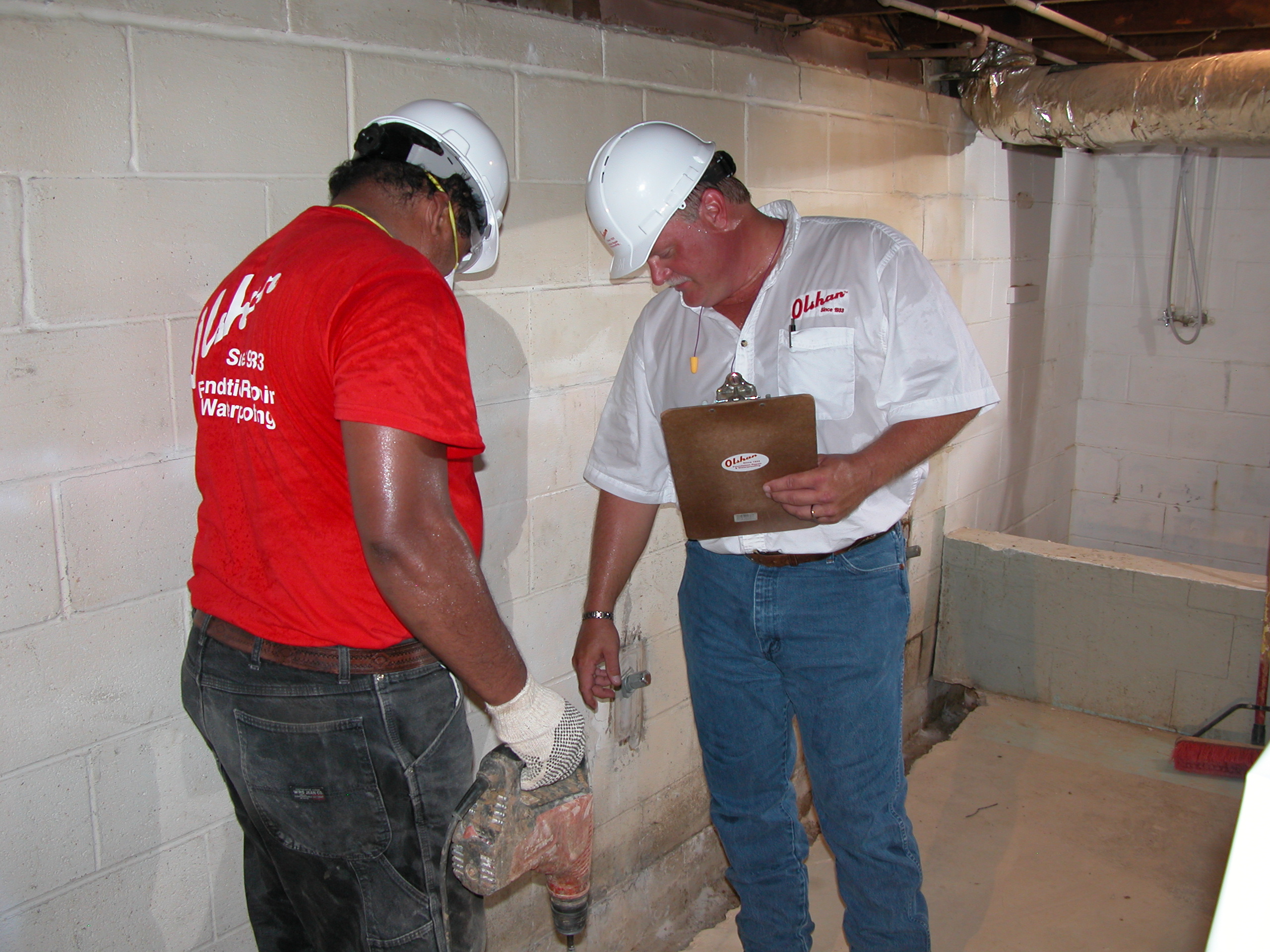
During a free evaluation, our Certified Structural Technician focuses on understanding how water is entering your basement and how that moisture may be affecting structural components and air quality. We start by walking the interior and noting signs such as leaks at the floor–wall joint, cracks in walls or floors, sweating walls, or bowing and tilted sections. We also review how water may be reaching the basement through floor cracks, gaps around the footer, wall cracks and mortar joints, window areas, or subsurface buildup.
Next, we discuss your long-term use of the space, whether you prefer basic moisture control or a more livable basement layout. Based on that conversation, we consider interior waterproofing options such as the Water Lock™ Plus System, sump pump installation, Wall Shield, or baseboard water channel, and compare them with exterior drainage and protection. Brentwood homeowners can use this visit to ask questions about timing, scope, and how recommended moisture defense solutions align with broader home improvement goals.
Interior Waterproofing With the Water Lock™ Plus System
With interior waterproofing, we allow water to enter at predictable points, then help manage it away from your basement. Our Certified Structural Technician evaluates floor cracks, wall joints, and the footer/floor seam, then outlines a Water Lock™ Plus layout that helps relieve hydrostatic pressure and route seepage into a controlled discharge path instead of across the floor. This approach supports water intrusion management by working with water rather than fighting it at isolated spots.
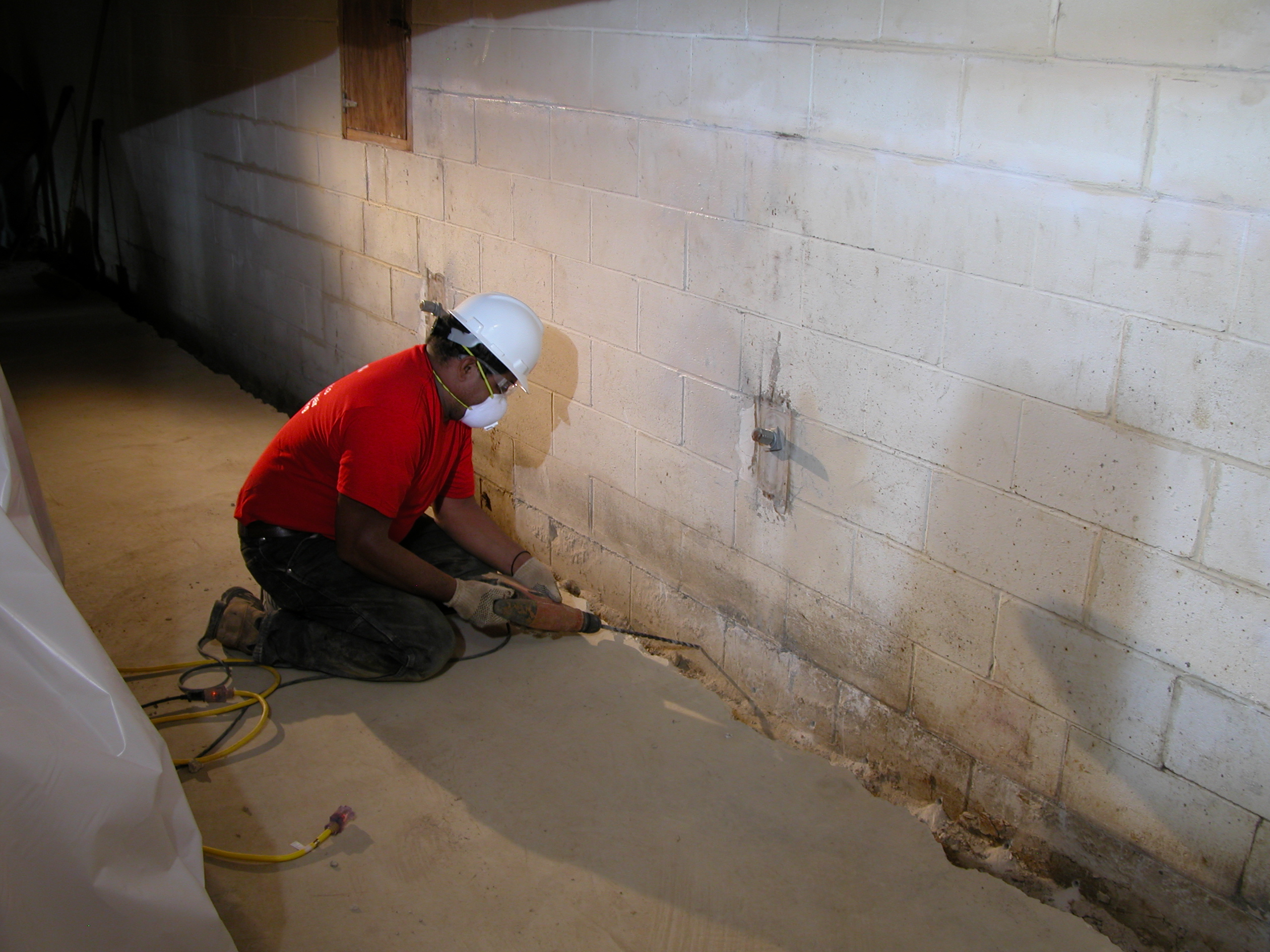
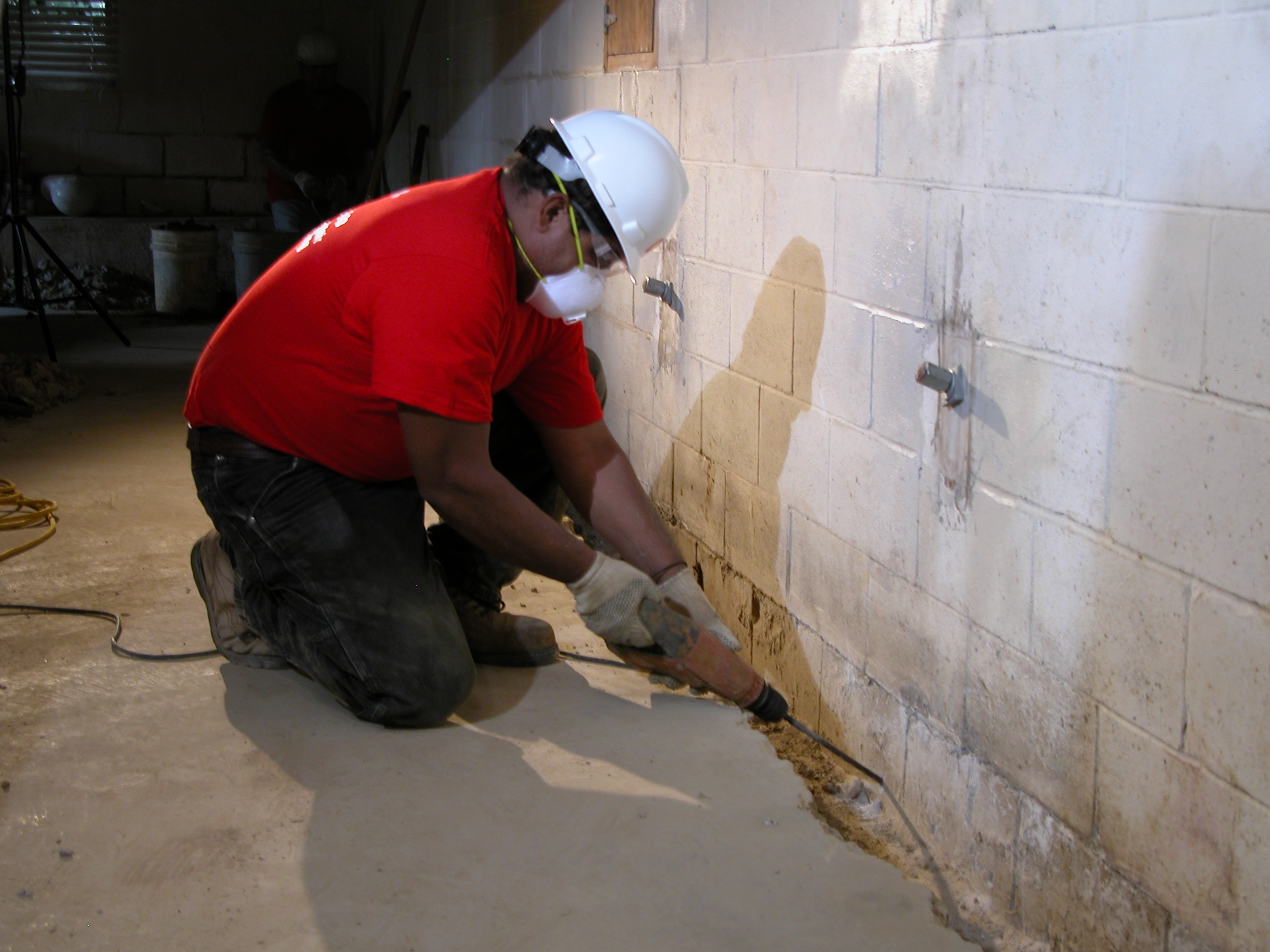
The Water Lock™ Plus System uses a dual-channel pipe: an inner geotech fabric pipe that acts as a filter and an outer open channel that moves water, creating a clog-resistant path with more entry points than older systems. The pipe sits on top of the footer, away from dirt and gravel, so we typically remove a modest strip of concrete along the perimeter before excavation to the footer. We then drill weep holes in block walls as needed, install the dual pipe, connect it to a sump pump or gravity drain, integrate optional Wall Shield panels, and replace the concrete, usually within a short project window.
Exterior Waterproofing for Finished and High-Value Spaces
Exterior waterproofing focuses on limiting water before it reaches the basement wall. We excavate along the affected wall down to the footer, exposing the structure so our team can apply an exterior moisture membrane and install a dimple board that channels water downward instead of allowing it to bear directly on the wall. Clean gravel replaces soil to help relieve hydrostatic pressure and promote flow into a footer drain set outside the wall.
The footer drain routes water to either a sump pump discharge or gravity outlet, depending on site slope and layout. A Certified Structural Technician compares this exterior option with interior systems by locating where water enters, assessing wall type, and reviewing how you use the basement. For finished or high-value basements in Brentwood, exterior work can help reduce interior disturbance while supporting basement waterproofing goals and longer-term moisture defense solutions.
Sump Pump Installation and Gravity Discharge Options
Sump pumps help manage intrusive basement water by collecting it in a basin and discharging it away from the foundation as part of a tailored sump pump installation plan. We use submersible technology with the motor sealed inside the basin and hidden below water level to support quiet operation. A built-in secondary pump and available battery backup can help keep water moving during storms when power loss is more likely, reducing the risk of shutdowns.
As an alternative, a gravity discharge can sometimes be used to help move water away from the home without a powered pump when slope allows. This method relies on a properly graded path so water can flow through solid or corrugated pipe to a discreet discharge point. Our Certified Structural Technician evaluates site elevation, yard layout, and expected water volume to determine whether a pumped or gravity-fed configuration, or a combination, best supports water intrusion management for your Brentwood basement.
Wall Shield, Monolithic Slabs, and Moisture Defense Solutions
Wall Shield adds an interior moisture barrier that works with our interior drainage systems. Panels are installed directly over the basement wall with a liner between the panel and wall, and joiners connect each section while the top is sealed to help reduce vapor escape. As water passes through cracks, mortar joints, or sweating walls, it is directed behind the panels down into Water Lock™ Plus or a compatible interior waterproofing system, then discharged away from the foundation.
When a basement is built on a monolithic slab, the floor and footing act as one element, so we stress that the slab should remain intact. In those situations, baseboard water channel is installed along interior walls using small grooves and gentle slopes to move seepage into a collection point without separating the slab. These methods become part of broader moisture defense solutions that also include dehumidification and air quality options to help support healthier conditions throughout the home.
Structural Repair, Air Quality, and Long-Term Planning
Water problems in a basement can contribute to wall bowing, settlement, and other structural repair concerns while also feeding mold, allergies, and indoor air quality issues. Our approach connects structural repair, water intrusion management, and air quality so we can recommend coordinated moisture defense solutions instead of isolated patches. The Certified Structural Technician evaluates how cracks, hydrostatic pressure, and subsurface water interact, then outlines a plan to help manage those forces over time.
Interior drainage, sump pumps, and Wall Shield help manage and redirect intrusive water, while exterior waterproofing, moisture membranes, and dimple board help reduce pressure before it reaches basement walls. Dehumidifiers and air quality systems can then help lower humidity and improve indoor air quality throughout living areas. These combined measures draw on our foundation experience and are designed to support both the structure and the comfort of your Brentwood home.
Next Steps for Brentwood Basement Waterproofing
Addressing basement water concerns early helps preserve living space, reduce the risk of structural damage, and support better indoor air quality. Our basement waterproofing solutions—from the Water Lock™ Plus System and Wall Shield panels to sump pumps, exterior moisture barriers, and baseboard water channel for monolithic slabs—are purpose-built to support different basement types and home improvement goals. We tailor recommendations around your priorities, preferred schedule, and how you want to use the space.
If you are seeing signs of moisture, seepage, or hydrostatic pressure in your Brentwood basement, our Certified Structural Technician can provide a free evaluation and outline interior waterproofing, exterior waterproofing, sump pump installation, or coordinated structural repair strategies. Contact us, to discuss your home and schedule a convenient visit.