

Foundation Drainage for Brentwood, TN Homes
We understand how stressful standing water, damp basements, and shifting soil can feel for Brentwood homeowners. Consistent foundation drainage and purpose-built drainage solutions help manage water before it affects structural performance, interior comfort, or landscape health. In the sections below, we explain how we approach water management around foundations in expansive clay soils, what happens during a professional drainage assessment, and how our French drain installation strategies and cost-effective repairs support long-term curb appeal and landscape protection.
Understanding Foundation Drainage Around Homes
When we talk about foundation drainage, we are describing planned routes that move water away from the soil supporting the structure, rather than allowing it to collect at the perimeter. If water ponds along exterior walls or seeps under the house, it can contribute to flooded basements, standing water in crawl spaces, and soil movement that may affect the foundation. By design, consistent foundation drainage supports more even moisture levels beneath and around the home, which can help reduce the risk of settlement or heave in expansive clay soils.
Practical water management around a structure includes several coordinated tasks, such as grading, surface drains, and systems that direct runoff away from the footings. We focus on redirecting roof discharge, yard runoff, and subsurface moisture so they do not concentrate beside basement or crawl space walls. Over time, this integrated approach to foundation drainage helps support structural performance and can reduce the likelihood that homeowners will need more extensive foundation repair in the future.
Local Drainage Conditions for Brentwood, TN Properties
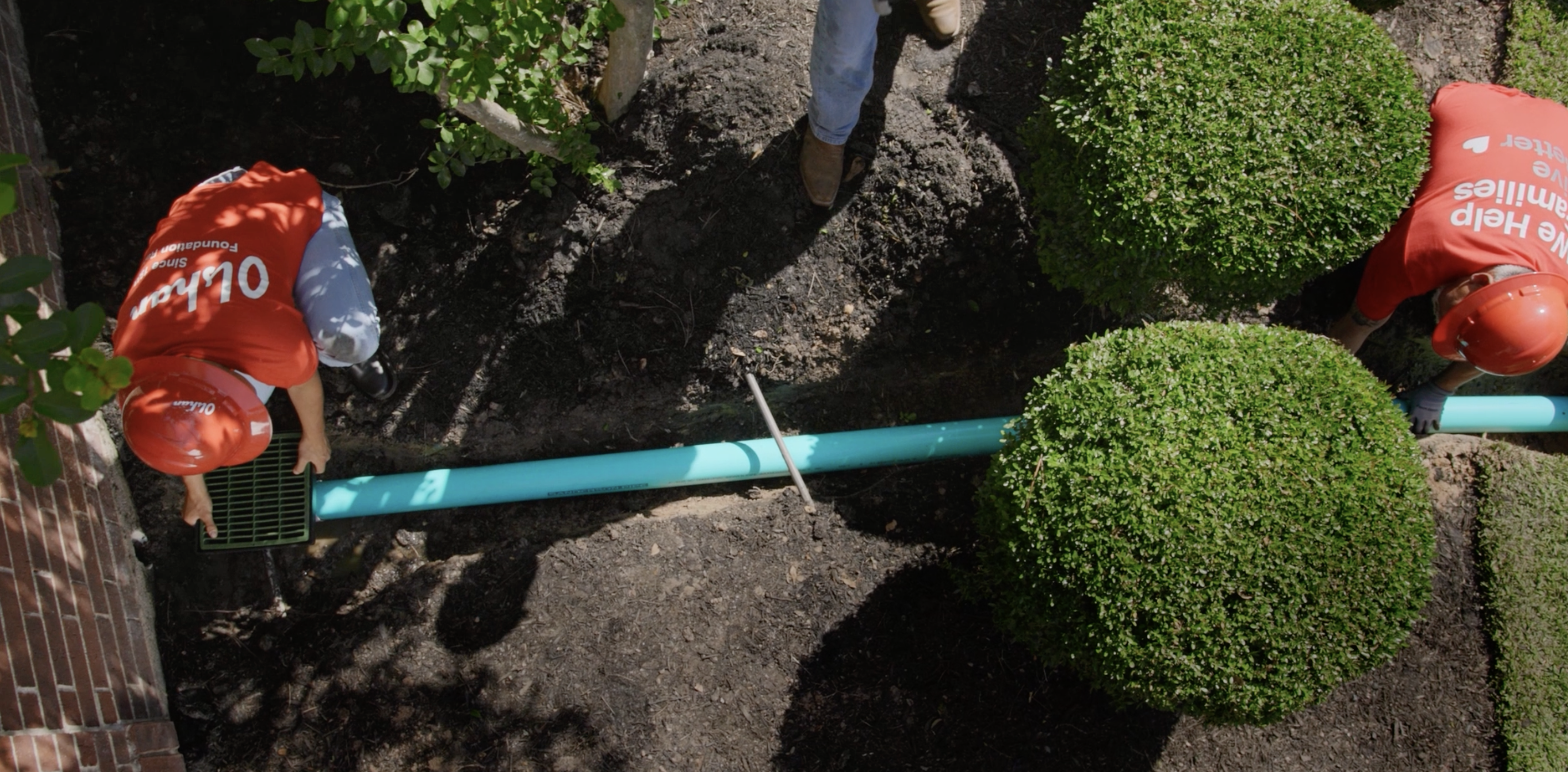
Seasonal rain in Brentwood can leave water standing near foundations, saturating soil and creating inconsistent moisture conditions beneath slabs and footings. When grading is too flat or slopes back toward the structure, stormwater and roof runoff may collect along the walls instead of draining outward. These cycles of saturation and drying in expansive clay soils can contribute to heave, settlement, and moisture intrusion into basements or crawl spaces. Our goal is to help manage these conditions with targeted drainage solutions that respond to each property’s layout and soil behavior.
During a drainage assessment, a Certified Structural Technician evaluates how water moves across the lot and how it interacts with the foundation, basement, or crawl space. We look at roof discharge points, existing drains, and visible symptoms such as soft spots, erosion channels, or recurrent damp areas. This local, site-specific review forms the basis for recommendations that may include adjustments to grading or the installation of new foundation drainage components designed to help support more stable moisture levels around the structure.
How Grading and Slopes Support Water Management
Surface grading functions as a straightforward yet important part of overall water management around any home. When soil, walks, patios, and driveways slope away from the structure, rain and snowmelt tend to move outward instead of flowing back toward the foundation. Guidance from building and housing resources explains that finished soil grade works best when it sheds about one-half inch per foot over at least ten feet, which helps move runoff away from basement or crawl space walls rather than allowing it to collect beside them.
Incorrect slopes reverse these benefits. If yards or hard surfaces tilt toward the walls, stormwater can concentrate at the perimeter, increasing the chance that water will seep downward and add pressure at below-grade areas. When we adjust grading as part of a drainage solution, we coordinate those changes with other components such as surface drains or downspout extensions so the entire system helps direct water safely away from the property. This combined strategy can support more consistent soil moisture and reduce conditions that may contribute to basement leaks or noticeable foundation movement.
Managing Expansive Clay Soils With Drainage Solutions
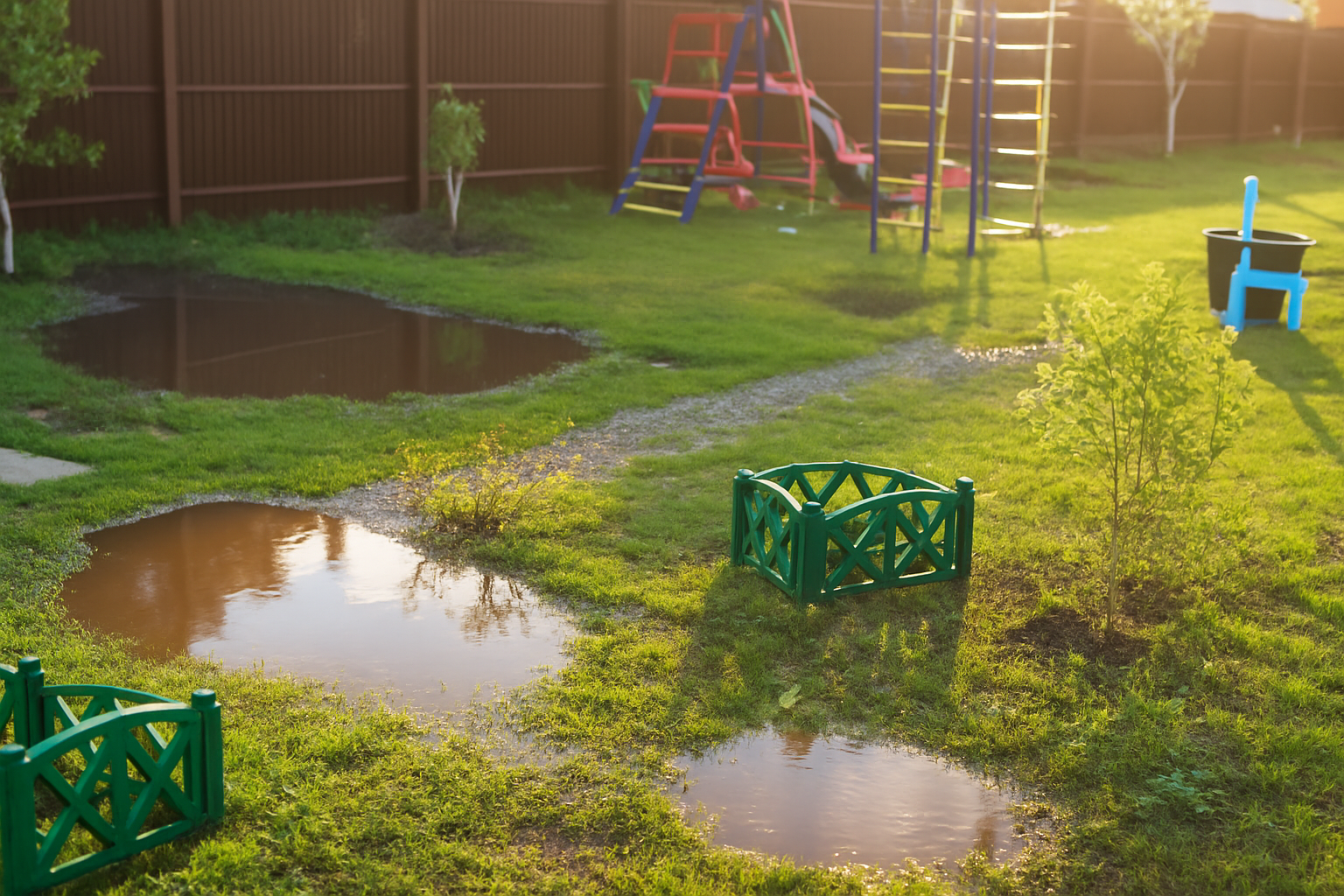
Expansive clay soils respond strongly to moisture changes, which means drainage plays a central role in how the ground behaves under a home. When these soils absorb water, they swell and exert upward and lateral pressure on slabs, walls, and framing. As conditions dry and the soil releases water, it contracts and pulls away. Over many wet and dry cycles, this expansion and contraction can stress building materials and contribute to cracks, uneven floors, or gaps at trim.
Through our work around Brentwood, our technicians frequently connect visible symptoms such as drywall cracking, leaking basements, or sagging floors to this moisture-driven soil behavior. Thoughtfully configured foundation drainage and related drainage solutions help keep soil moisture more consistent, which can support structural performance and help reduce the likelihood of severe movement. By focusing on both surface water and subsurface conditions, we create water management plans that respond to the way expansive clay soils behave over time.
What Happens During a Drainage Assessment
When homeowners schedule a drainage assessment, our Certified Structural Technician concentrates on how water interacts with the structure and surrounding soil. We begin with a visual review of grading, hard surfaces, and obvious low spots. Standing water near the foundation, persistent puddles after storms, or damp areas under the house can indicate that existing routes for runoff are not working as intended. We also study basements and crawl spaces for signs that water is reaching below-grade areas and remaining there longer than it should.
Next, we evaluate roof runoff by examining gutters, downspouts, and discharge points to see whether they move water away from the foundation or leave it pooling at the base of exterior walls. In locations with expansive clays, we pay special attention to signs of heave or settlement that may suggest inconsistent moisture levels beneath the structure. These diagnostics guide customized recommendations, which may include French drain installation, surface or subsurface drains, or downspout extensions.
Types of Drainage Solutions We Configure
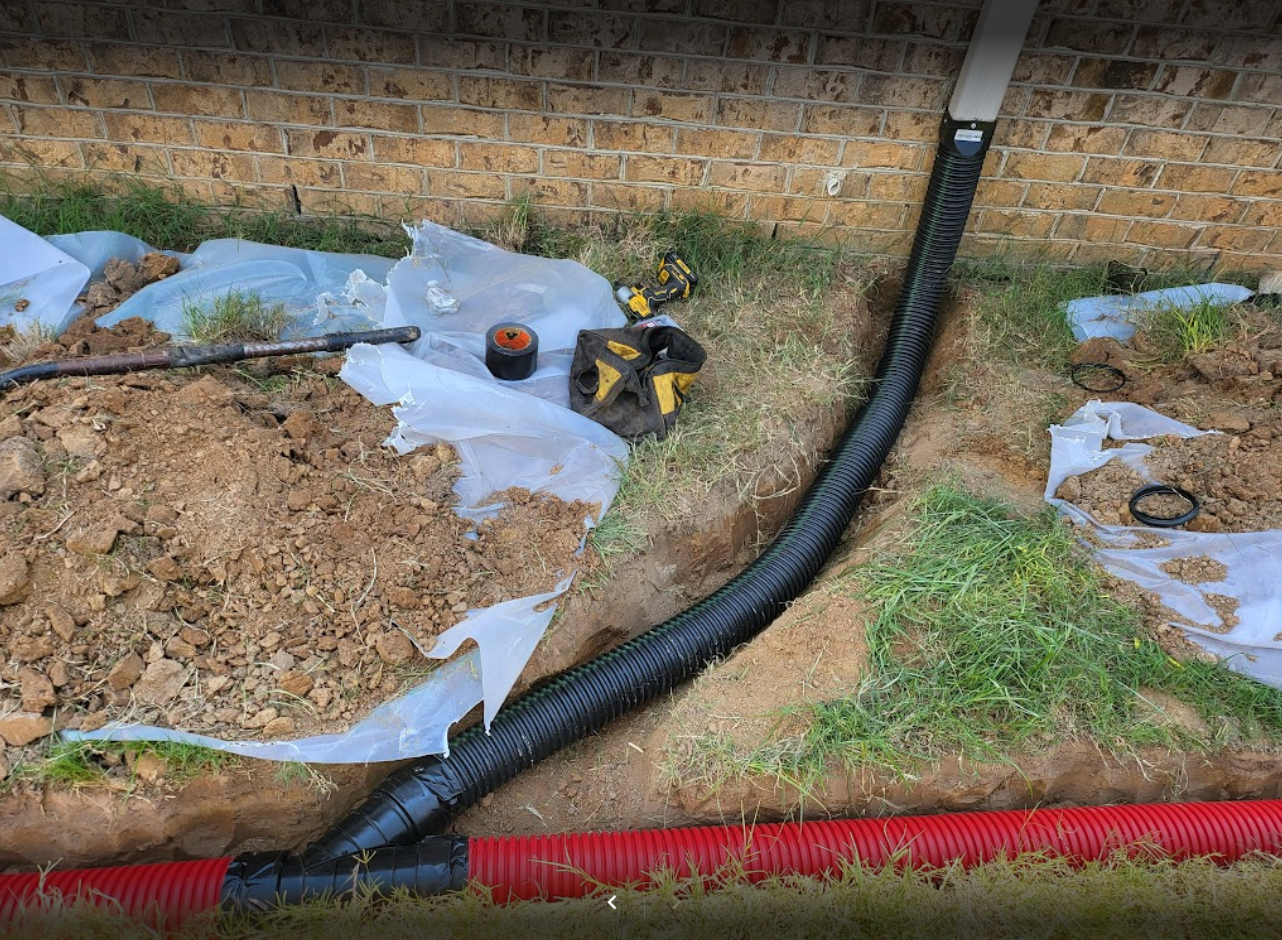
We offer a range of drainage solutions that can be combined into a coordinated system around a property. Double barrel drains use paired discharge lines to move collected water away from the structure, which helps moderate moisture conditions around the foundation. Downspout extensions redirect roof runoff so it does not discharge at the base of the walls, reducing localized saturation and erosion near critical support zones. French drains collect water along low areas and valleys, then carry it away to discharge locations chosen to help protect nearby slabs and planting beds.
Surface drains remove water from yards and hardscapes before it can pond, while subsurface drainage addresses moisture that travels below grade near basements or crawl spaces. Pop-up emitters and catch basins help control where collected water exits, and cleanouts give technicians access points for ongoing maintenance. Interior and exterior basement or crawl space drainage may also be recommended in situations where water regularly reaches below-grade spaces. By tailoring these components to each property, we create foundation drainage systems that are purpose-built to help manage water under real-world weather and soil conditions.
French Drain Installation and Yard Appearance
Our French drain installation approach focuses on redirecting water before it has time to remain against foundation walls. By evaluating lot layout, slopes, and existing discharge points, we identify where adjustments or new drains could help move runoff away from the structure. In many cases, French drains, surface drains, and downspout extensions are placed below grade or blended into landscaping, so they support curb appeal while still performing important water management tasks.
Because most drainage components sit low in the yard or underground, they usually remain unobtrusive once installation is complete. This discretion supports landscape protection by helping keep turf, beds, and hardscapes drier and more usable after storms. At the same time, limiting standing water around the home can help reduce erosion patterns and visual staining on visible surfaces. The result is a coordinated system that works in the background to help manage moisture while allowing homeowners to maintain the look of their outdoor spaces.
Protecting Landscape Health and Overall Curb Appeal
When water repeatedly pools in the same areas, it can stress plants, encourage moss or mold, and create muddy patches that detract from outdoor enjoyment. During a drainage assessment, our Certified Structural Technician studies how runoff travels across turf, beds, and hardscapes, then recommends routes that move water away from both the foundation and sensitive planting zones. By helping keep moisture levels more stable, properly configured drains and extensions can support healthier roots and more resilient landscaping.
We place French drains, catch basins, and discharge points where they can help protect both structural elements and visual features, with an eye toward preserving curb appeal. Over time, homeowners may notice that formerly saturated areas become easier to maintain and that decorative elements such as edging or mulch hold their appearance longer after storms. In this way, foundation drainage and landscape protection work together, linking sound water management to a neater, more attractive property.
Cost-effective Repairs and Long-Term Planning
Addressing drainage concerns early can be a cost-effective way to support the long-term performance of a foundation. When surface water and roof runoff are allowed to collect near basement or crawl space walls, expansive clay soils may cycle between saturation and drying more dramatically. This ongoing movement can increase the risk that structural symptoms will arise and that more extensive foundation repair might be needed later. By contrast, well-planned drainage solutions help manage moisture levels around the home and may reduce the chances that major interventions will be required.
Our Certified Structural Technician develops cost-effective repairs by matching drainage components to the specific conditions found on site, rather than proposing more work than the property requires. We focus on solutions that help manage water efficiently while supporting structural performance, yard usability, and curb appeal. Homeowners who view drainage upgrades as part of a broader long-term maintenance strategy often find that this investment supports both property value and day-to-day peace of mind.
Next Steps for Brentwood Homeowners
For Brentwood homeowners who are seeing signs such as persistent puddles, damp basements, or soil erosion along exterior walls, a structured evaluation can provide clarity. During a drainage assessment, our Certified Structural Technician documents how water moves across the lot, where it collects, and how it may be interacting with the foundation. We then outline practical foundation drainage and water management options, ranging from grading adjustments to French drain installation or subsurface drainage. This step-by-step process turns general concerns into a tailored plan that supports both structural performance and outdoor living spaces.
Taking action before symptoms worsen can help reduce the likelihood of more extensive foundation repair and can support healthier landscaping over time. When homeowners are ready to discuss site-specific drainage solutions for their property, we are prepared to provide a clear evaluation and recommendations. Contact us, to begin that conversation and arrange a professional assessment.