
Basement Waterproofing for Independence, MO Homes
We focus on comprehensive Basement Waterproofing plans that help manage water, support structural stability, and improve indoor conditions for homes in Independence. By studying water pathways into below-grade spaces and how Hydrostatic Pressure affects walls and floors, we tailor interior and exterior systems that work together. Our goal is to help you use more of your basement with confidence while addressing seepage points, moisture buildup, and related structural concerns. When you understand your Moisture Management options, it becomes easier to choose a plan that fits your needs and priorities through Basement Waterproofing.
How Basement Waterproofing Helps Independence Homeowners
Basement Waterproofing focuses on how and where water enters the below-grade space, then applies targeted measures to help manage that moisture for Independence homes. In Independence, basements are naturally vulnerable to seepage through floor cracks, gaps between the footer and slab, cracks in walls and mortar joints, sweating walls, and window wells that hold water, which aligns with the five common ways water enters a home. As subsurface moisture builds, it can create Hydrostatic Pressure, allowing water to find the path of least resistance into the home. Over time, this can contribute to bowing or tilted walls, loss of usable space, and moisture-related air quality concerns that Basement Waterproofing aims to help manage.
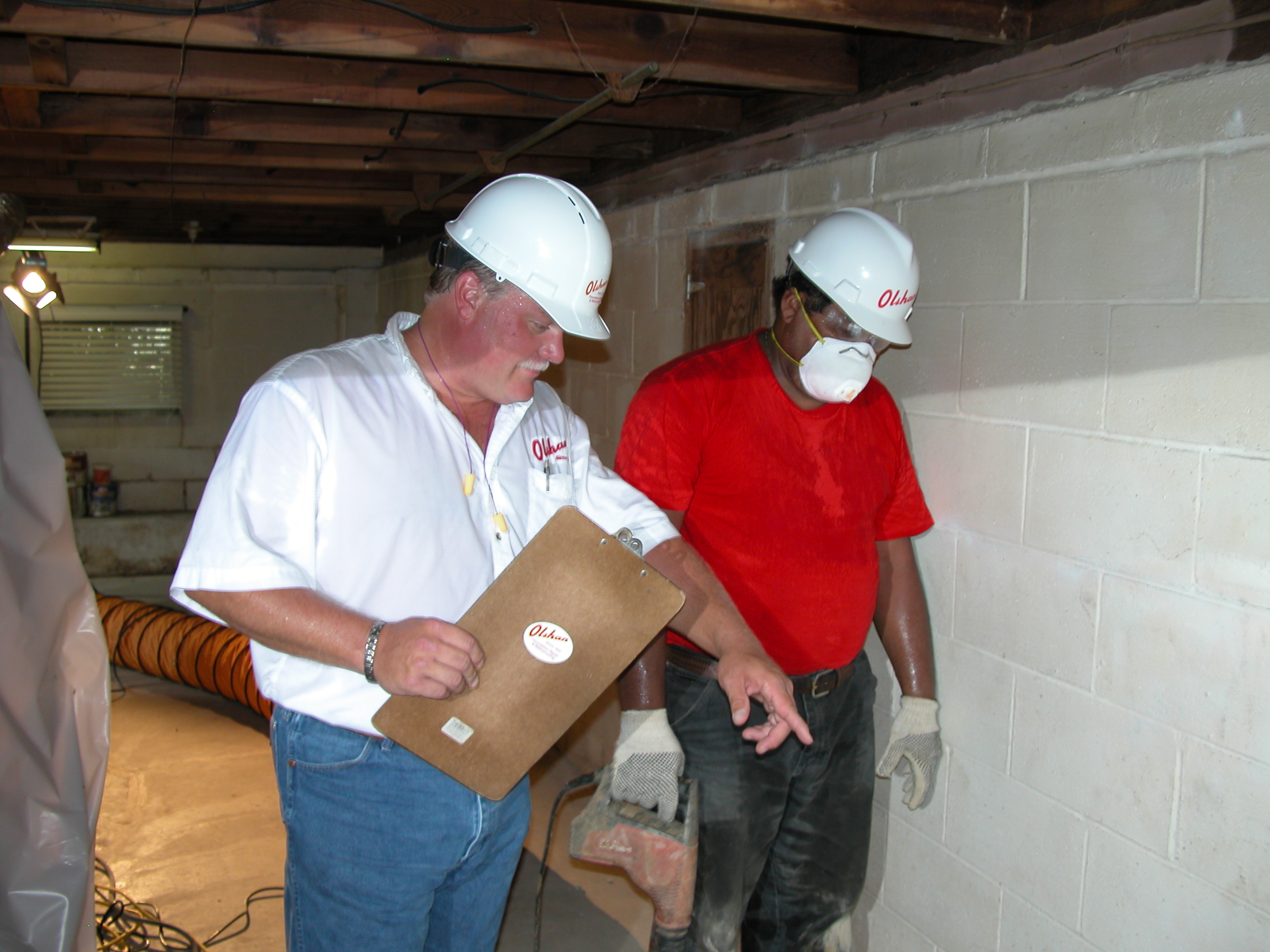
Our Certified Structural Technician evaluates these pathways and recommends interior or exterior Basement Waterproofing, or a combination. Interior systems help manage water that has entered, using under-floor drains, channels, sump pumps, and wall barriers to collect and discharge it. Exterior systems focus on limiting water before it reaches interior walls by using wall coatings, drainage components, and options such as French Drain Installation. This combined approach supports Moisture Management and can be coordinated with Structural Repair when needed to support your basement.
The Importance of Moisture Management in Basements
Effective Moisture Management in a basement is important because water rarely stays confined to one area once it has entered. After water moves through floor cracks, gaps between the footer and slab, sweating walls, window wells, or wall and mortar joint cracks, it can begin to affect air quality and contribute to structural stress. Persistent dampness may leave the basement less useful as living or storage space and can support mildew and other moisture-related concerns inside block walls that Basement Waterproofing seeks to help manage.
As Hydrostatic Pressure builds in saturated soil, it can help drive water through these vulnerable points and may contribute to bowing, cracking, or compression of basement walls, as well as settlement concerns and loss of foundation stability. We rely on interior and exterior waterproofing systems, sump pumps, drainage components, dehumidifiers, and Air Quality Solutions to help manage this moisture, reduce the risk to the structure, and support healthier indoor conditions. These systems become more effective when they are planned as part of a coordinated Basement Waterproofing strategy for Independence homes.
Interior Waterproofing Solutions for Independence Homes
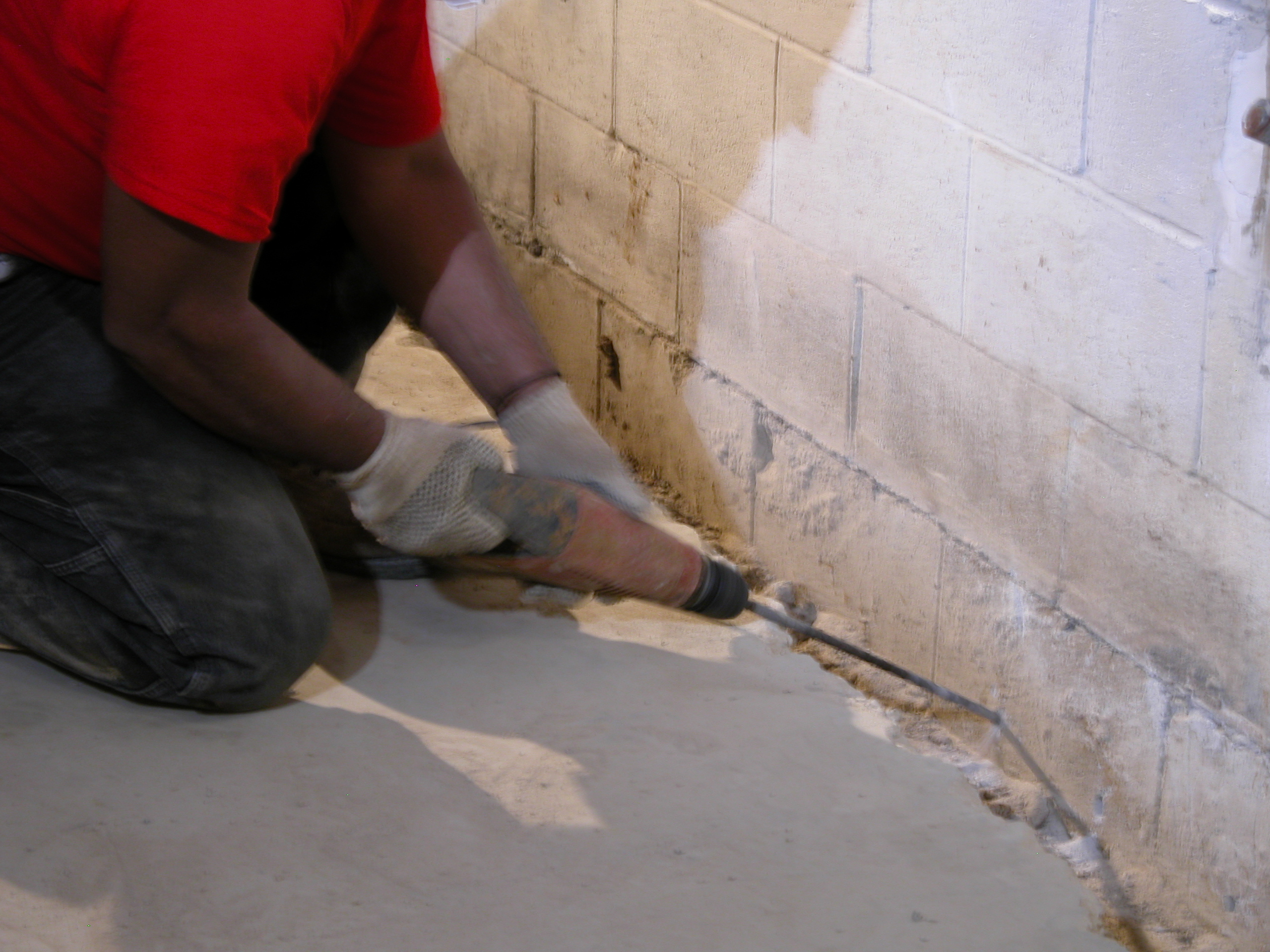
Interior Waterproofing focuses on managing water after it enters the basement, then moving it away in a controlled path as part of Basement Waterproofing. Our certified technician evaluates where water is getting in – through floor cracks, over or under the footer, bleeding walls, window sills, or wall joints – and designs a system to capture and redirect that moisture based on the conditions observed during the evaluation. This diagnostic step helps us match the system layout to how water actually behaves in your basement.
The Water Lock Plus interior discharge system is installed along the inside perimeter, typically requiring concrete breakout unless the slab is monolithic, and is described in detail in our evolution of Water Lock Plus overview. Segmenting and positioning the drainage components creates multiple moisture capture points, which can be paired with under-floor drains or baseboard channels to address different slab configurations. Collected water is directed to sump pump basins, where a sump pump system can then discharge it away from the foundation to support ongoing Moisture Management within your Basement Waterproofing plan.
How Sump Pump Systems Support Basement Waterproofing
A well planned sump pump system plays a central role in many interior Basement Waterproofing designs for Independence homes. Once under-floor drains, perimeter channels, or Water Lock Plus components collect water, that water needs a reliable discharge path that supports Moisture Management. Sump pump basins provide a collection point, and pumps then move water away from the foundation in a controlled manner. In some layouts, pumps work with gravity discharge lines that help carry water away from the home.
Our technicians size and position sump pump basins based on how much water the system is expected to collect and how the basement is used. Pumps can be paired with backup options or additional basins where conditions suggest heavier flows, following the guidance outlined in our sump pump and gravity discharge resources. When coordinated with interior drainage and vapor barriers, these systems help manage recurring seepage and support long-term Moisture Management as part of an integrated Basement Waterproofing approach.
Exterior Waterproofing Techniques and Drainage Options
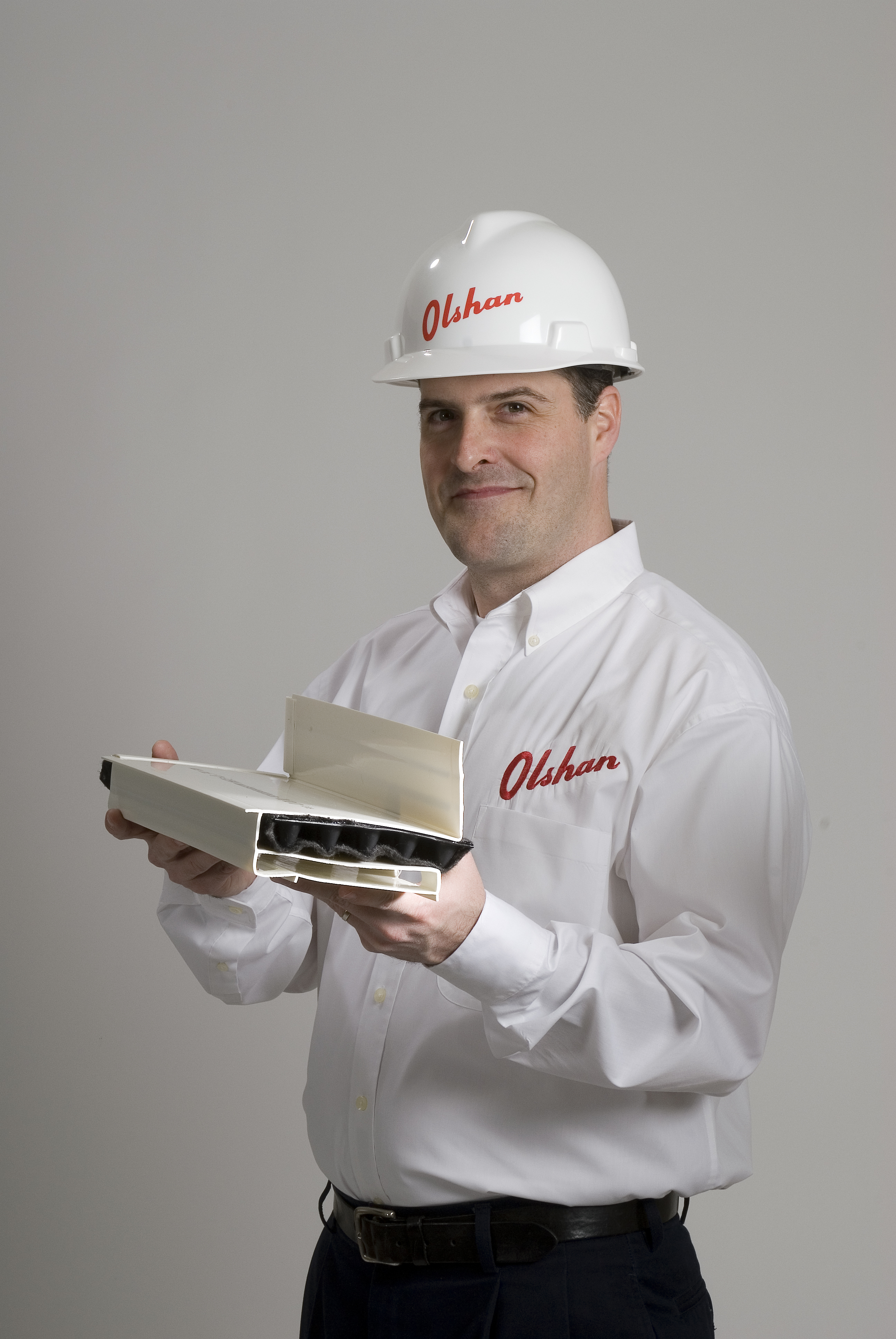
Exterior Waterproofing focuses on limiting water before it enters the basement as part of a broader Basement Waterproofing plan. We typically begin by excavating along the basement wall so a Certified Structural Technician can expose problem areas such as cracks, gaps near the footer, or sections where Hydrostatic Pressure has stressed the wall. Once exposed, we apply a continuous exterior moisture barrier with protective materials such as dimple board and integrate drainage components that help move water away from the wall and footer rather than allowing it to collect and seep inside.
Compared to interior methods that help manage water after it seeps through floor cracks, wall joints, or spaces above the footer, Exterior Waterproofing helps reduce direct water contact with the wall and can be especially useful when the basement is already finished and regularly used, which aligns with our dedicated exterior basement wall waterproofing guidance. In Independence, technicians often recommend exterior systems when recurring seepage or bowing walls suggest significant exterior water pressure and when homeowners want to limit work inside finished spaces while maintaining effective Basement Waterproofing.
Hydrostatic Pressure and Its Impact on Basements
Hydrostatic Pressure is the force created when excess water saturates the soil around and beneath a basement, which Basement Waterproofing aims to help manage. As this water builds up, it pushes against the walls, floor, and the small gaps around the footer, searching for the path of least resistance. When that pressure exceeds what the structure can comfortably handle, water begins to move through floor cracks, spaces between the footer and the poured floor, and cracks or mortar joints in basement walls, which supports the patterns we describe in our monolithic slab repair and waterproofing information.
Managing Hydrostatic Pressure is important for effective Basement Waterproofing in Independence. Interior systems that collect and discharge water, along with methods that help relieve pressure at or below the footer, work together to support structural stability. Coordinating these approaches with Structural Repair where needed allows us to help reduce the risk of ongoing seepage, surface movement, or wall displacement while making Moisture Management more predictable over time through Basement Waterproofing.
How Structural Repair Works With Waterproofing
Structural Repair and water management are closely connected, so effective Basement Waterproofing often begins with evaluating the condition of the foundation itself. When walls are cracked, bowed or tilted, or when gaps open between the footer and the basement floor, water follows these weakened points and seeps into the space. Our Certified Structural Technician looks for signs such as wall movement, widening floor or wall cracks, and evidence of Hydrostatic Pressure that may be stressing the structure while also letting water in.
Where settlement, bowing, or compression of basement walls is present, Structural Repair can help stabilize those areas so that interior or exterior drainage systems, sump pumps, Wall Shield, or Water Lock Plus solutions can manage water more effectively, following the principles in our Wall Shield moisture barrier resources. Addressing both structure and water paths together helps support basement stability, indoor air quality, and the long-term usefulness of below-grade space in Independence homes as part of a complete Basement Waterproofing plan.
Air Quality Solutions for Damp Basement Conditions
Conditions in a wet basement do not stay contained below grade, which is why Basement Waterproofing often goes hand in hand with Air Quality Solutions. Moisture that seeps through floor cracks, wall cracks, window wells, or the space between the footer and slab can contribute to poor indoor air quality throughout the living area above. As water collects and walls “sweat,” surfaces stay damp and may contribute to odors and allergy concerns.
Managing water entry with drainage systems, sump pumps, Wall Shield vapor barriers, and other waterproofing components helps limit the amount of moisture that can move into the air and supports the goals described in our Water Lock Plus installation guidance. Once water is better managed, a certified technician may also recommend basement dehumidifiers or air movement strategies to further reduce humidity. These systems work with the Basement Waterproofing plan to help keep the space drier and support healthier air movement into the rest of the home.
What to Expect From a Free Evaluation
When you schedule a Free Evaluation, we begin by listening carefully to how water is affecting your basement in Independence and how Basement Waterproofing may help. You can share where you see floor cracks, damp walls, bowing or tilted walls, or moisture around windows and footers so we understand your concerns. A Certified Structural Technician then walks the basement with you, visually reviewing cracks in floors and walls, joints between the footer and slab, signs of sweating walls, and any evidence of past pooling water.
From there, we outline whether interior solutions, exterior solutions, or a combination of water management and Structural Repair may help manage seepage and Hydrostatic Pressure, drawing on the approaches detailed in our Water Lock Plus system overview. This step-by-step explanation during the Free Evaluation helps you understand why we recommend certain components, how they work together, and what role they can play in reclaiming and using your basement space with a tailored Basement Waterproofing plan.
Maintaining Basement Waterproofing Over Time
After a Basement Waterproofing system is installed, a Certified Structural Technician will usually emphasize the importance of routine observation rather than waiting for obvious leaks. We encourage homeowners in Independence to walk the basement after heavy rains and seasonal shifts, checking for new floor or wall cracks, signs of bleeding or sweating walls, deposits at mortar joints, or damp areas along the joint between the wall and floor where water often follows the path of least resistance.
Pay attention to window wells and window sills, as trapped moisture there can reintroduce water to the basement and affect air quality. If you notice changes in wall alignment, such as bowing or tilting, or recurring damp spots near the footer or floor cracks, schedule a follow-up visit with our technicians so we can evaluate whether adjustments are needed. This kind of ongoing attention helps support Moisture Management and allows interior and exterior systems, along with any Structural Repair, to continue working together as intended as part of your Basement Waterproofing approach.
Choosing Basement Waterproofing Solutions for Your Independence Home
Basement Waterproofing plays an important role in supporting a safe and comfortable home environment in Independence. By addressing moisture issues, you help protect your home from structural stress while also supporting indoor air quality and reclaiming valuable living space. Interior Waterproofing, Exterior Waterproofing, sump pump systems, Structural Repair, and Air Quality Solutions can be combined into a purpose-built plan that reflects how water behaves around your home.
If you would like to understand which options may fit your needs, we are ready to provide a Free Evaluation and explain what we find in clear terms. That way, you can make informed decisions about Moisture Management and Foundation Repair while planning how you want to use your basement in the years ahead. To take the next step toward a drier basement and more usable space through Basement Waterproofing, Contact us.