

Basement Waterproofing for Emporia, KS Homes
Basement waterproofing for Emporia homes plays a central role in helping protect living space, supporting structural integrity, and guiding long-term home improvement decisions. We understand how stressful a wet, leaky, or musty basement can feel, especially when water appears without warning or walls begin to show movement. Our goal is to explain how interior and exterior waterproofing and basement repair options work together so you can better understand moisture, hydrostatic pressure, and structural concerns before requesting a free evaluation. By combining interior drainage, French drain installation outside the foundation, sump pumps, and air quality measures, we help Emporia households create more usable, comfortable, and resilient basements over time.
Recognizing Basement Moisture and Structural Changes
When basements in Emporia begin to need attention, homeowners often notice water on the floor, damp carpet, or a persistent musty smell that signals ongoing seepage. Cracks in the floor or along wall mortar joints give water and hydrostatic pressure a path into the space, which may appear as bleeding or sweating walls, pooling near cove joints, or standing water on the slab. Window wells can also collect water and allow moisture to seep around frames, especially during heavy rain events or when exterior grading directs water toward the home instead of away from it. A Certified Structural Technician looks at how these symptoms are related so they can be addressed in a focused plan.
Over time, these moisture pathways may contribute to bowing or tilted walls, widening gaps between walls and floors, and signs of movement that suggest deeper structural issues. Usable storage or living space can shrink as belongings are moved off the floor or away from damp areas, and building materials such as drywall, trim, and finishes may begin to deteriorate. Persistent moisture can also affect indoor air quality by supporting mold, mildew, and odors that travel to upper levels of the home. When these patterns appear together, an organized basement waterproofing and basement repair plan can help manage symptoms and support long-term structural integrity.
How Water Finds Paths Into Emporia Basements
Water around a basement does not appear at random. As surrounding soil becomes saturated, hydrostatic pressure builds against the basement floor and walls, pushing moisture toward any available weak point. We often see early signs at floor cracks, where excess water beneath the slab forces its way up, or at the joint between the basement floor and the wall, sometimes called the cove joint. In other cases, subtle gaps between the footer and the poured floor give water a route into the interior and create narrow bands of seepage along baseboards. Our certified technicians study these entry points so they can match the right repair options to the way water is moving.
Walls may show staining, flaking, or wet spots as water moves through block cores, mortar joints, or wall penetrations and then bleeds onto surfaces. Around windows, deteriorated seals, aging frames, and saturated window wells can allow outside water to seep indoors and pool on sills or nearby floors. Finally, water may travel over the footer and follow hidden paths inside block cavities, where it builds up out of sight before emerging along joints. Without coordinated drainage measures that address these routes, such as interior channels and French drain installation near the footer, these conditions tend to worsen during wet seasons and may increase the likelihood of future foundation repair needs.
Interior Basement Waterproofing Strategies
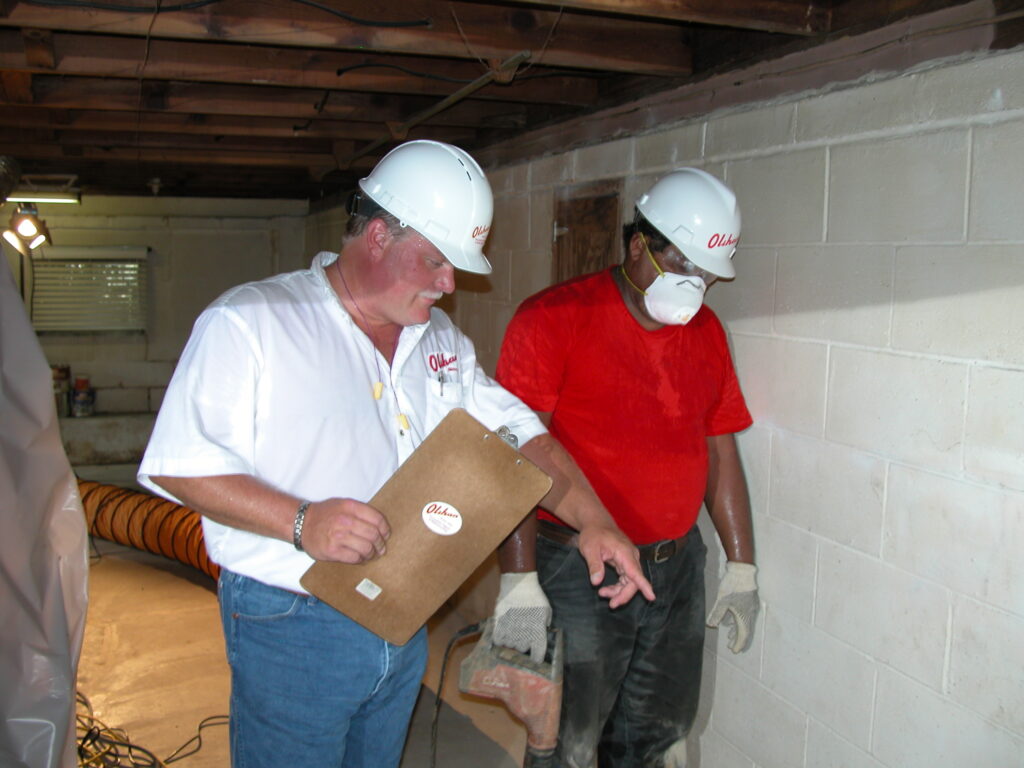
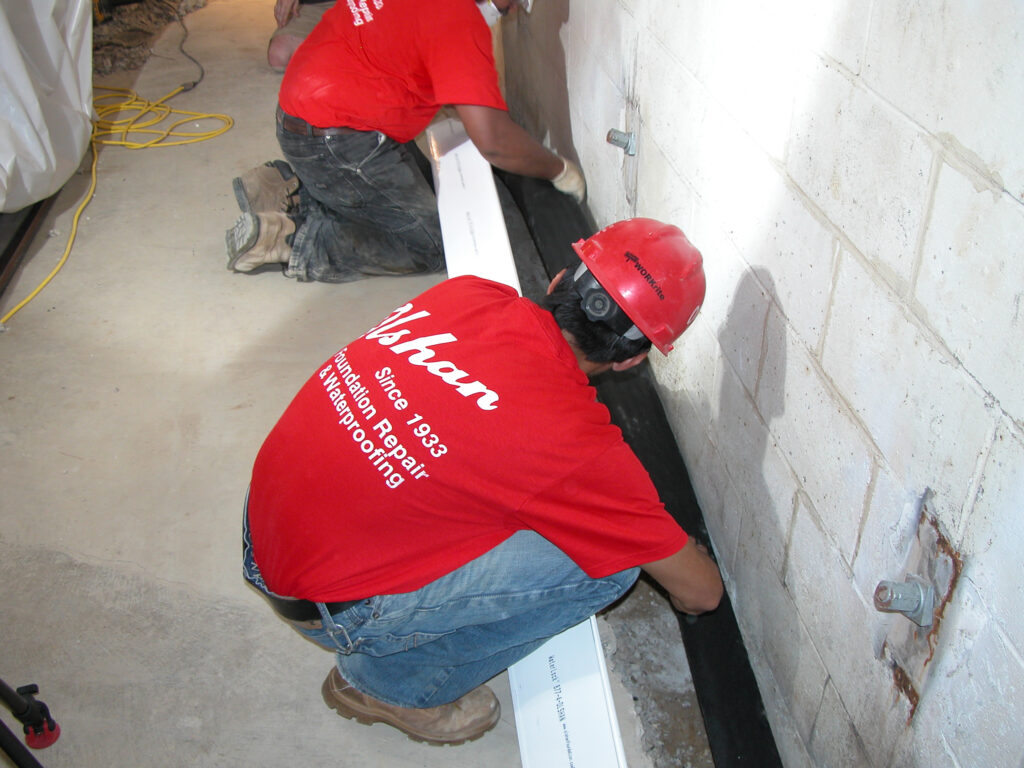
With interior basement waterproofing, we allow water to follow predictable paths into controlled drainage systems, then move it away before it can spread across floors or inside finished walls. During a free evaluation, a Certified Structural Technician studies how water is entering through floor cracks, joints near the footer, sweating walls, or damp cove joints and then develops a plan around purpose-built interior components. Many layouts center on the Water Lock Plus interior drainage track, which collects water along the wall-floor interface and directs it toward sump pumps for controlled discharge from the home using a concealed channel at the slab edge. This helps keep moisture contained in a pathway designed for removal instead of letting it spread into living space.
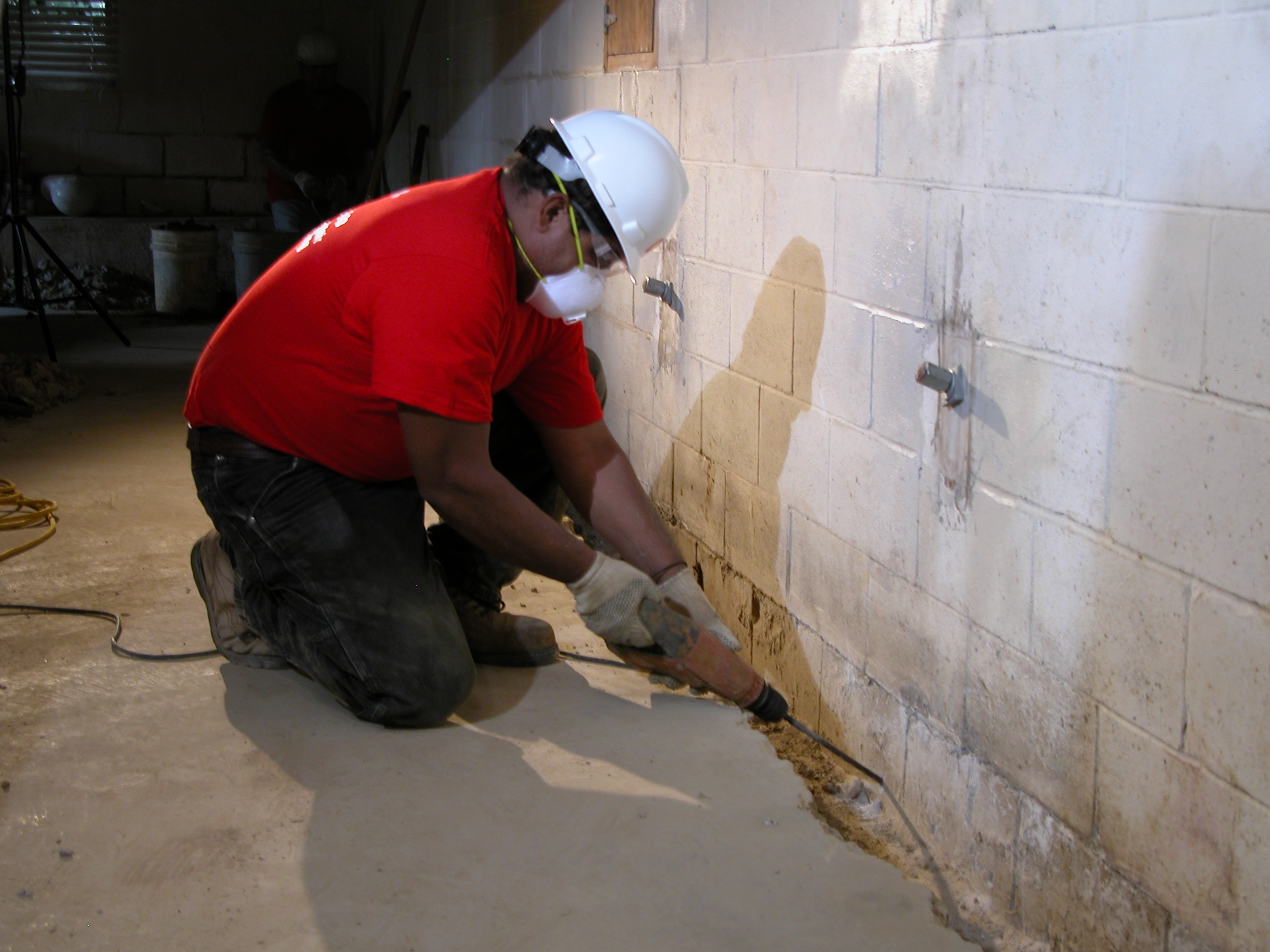
This approach often requires targeted concrete breakout along the interior perimeter so drainage elements can be installed inside or just below the slab. Once in place, the drainage and pump systems help manage water from multiple entry points, which is especially helpful for basements with finished walls or flooring where surface seepage would otherwise be difficult to control. Optional Wall Shield-type vapor barriers or similar interior wall treatments can be paired with these systems to guide wall moisture down into the drainage track rather than onto finishes. Because work occurs from inside, interior waterproofing can often be planned around daily household schedules and may be well suited for Emporia homes where exterior access is limited or landscaping is a concern.
Exterior Basement Drainage and Wall Protection
Exterior basement waterproofing focuses on managing water before it reaches interior living areas. In many Emporia projects, this involves excavating along the outside of basement walls so our technicians can expose problem areas where moisture and hydrostatic pressure are building. After excavation, we apply exterior moisture barriers and install dimple board or similar protective materials to help guide water downward toward footing drains instead of letting it seep through cracks, gaps, or porous surfaces along the outside wall. These exterior steps help reduce direct moisture contact with the structure.
Subsurface drains installed near the footer then act as a collection and discharge system, carrying water away from the foundation and helping reduce pressure on walls and floors. Because work is performed from outside, many interior finishes can remain in place, which is especially important for basements already used as living space in larger home improvement plans. Depending on site conditions, exterior systems may reduce reliance on sump pumps, although a pump-based system may still be recommended as part of a layered approach. An integrated exterior plan can complement interior basement waterproofing and structural recommendations when soil patterns, grading, or surface drainage are contributing to water problems around Emporia homes.
Coordinating Waterproofing With Basement Wall and Floor Repair
Managing a wet basement in Emporia often involves more than redirecting water. When soils around a foundation become saturated again and again, hydrostatic pressure and changing moisture levels in clay soils can contribute to cracks, bowing or tilted walls, and even settlement-related movement. Interior or exterior drainage alone does not address weakened walls, compromised mortar joints, or subsurface water that may be undermining long-term structural integrity, so a broader plan is often more effective.
That is why a Certified Structural Technician evaluates moisture patterns together with signs of movement in floors, walls, and footers. Recommended plans may blend interior basement waterproofing, exterior drainage strategies, and targeted basement repair or foundation repair tasks meant to support structural performance. Examples include addressing wall displacement, reinforcing or stabilizing bowed walls, and coordinating work where settlement and water concerns appear together. By pairing water management measures with structural work, we aim to reduce the risk that hidden moisture will continue to affect repaired areas and to support more resilient outcomes for Emporia basements over time.
Key Basement Drainage Components and Moisture Controls
Effective drainage and moisture control for Emporia basements relies on matching components to the specific ways water is entering the structure. Water Lock Plus functions as an interior drainage track that helps capture water along the wall-floor joint and move it toward sump pumps that discharge water away from the home through a dual-channel system. Additional interior lines, such as under-floor conduits or other subsurface channels, can help manage water traveling beneath the slab or along the footer, especially where hydrostatic pressure drives seepage from below.
At the surface, options like baseboard-style channels, surface drains, or similar products may be used to guide moisture away from vulnerable wall areas and into controlled pathways. Exterior elements, including footer drains with gravel backfill, downspout extensions, gravity discharges, or French Drain layouts, work together to direct roof runoff and groundwater away from the foundation before it can saturate soil next to the walls. By combining these systems thoughtfully, our certified technicians can propose layered drainage and moisture control options that support basement waterproofing and help protect structural integrity over the long term for Emporia homes.
Indoor Air Quality, Humidity, and Maintenance Planning
Moisture inside a basement can affect much more than surfaces and stored belongings. Persistent dampness may support mold, mildew, and mineral deposits inside walls and along cracks, and these conditions can contribute to indoor air quality concerns such as odors, irritation, or general discomfort. Because air naturally moves between lower and upper levels of the home, unmanaged seepage and sweating walls have the potential to influence the broader indoor environment, not just the basement itself when moisture remains trapped along wall surfaces. Addressing the air along with the water can make the space feel more comfortable.
We address these issues by combining basement waterproofing strategies with dedicated air management measures, including basement dehumidifiers and purpose-built air quality systems that are designed to help control humidity. A certified technician can outline how these systems interact with interior or exterior drainage to help manage moisture over time. After work is completed, homeowners may follow a concise maintenance checklist: periodically test sump pumps, confirm discharge lines remain clear, monitor humidity levels with installed equipment, and keep an eye on any previously noted cracks or wall movements. Emporia-specific maintenance steps, such as local code requirements or regional weather considerations, can be discussed during your Free Evaluation and tailored to your home and goals.
Free Basement Waterproofing Evaluation for Emporia Homes
When homeowners in Emporia contact us about moisture, movement, or indoor air quality concerns, a Certified Structural Technician completes an on-site evaluation. During this visit, the professional studies how water is entering through cracks, joints, or over and under the footer and relates those findings to long-term home improvement goals and budget. Interior and exterior basement waterproofing options, wall and floor repair strategies, drainage components, and air quality measures are explained step by step so you can understand how each recommendation supports structural integrity.
Many of our basement waterproofing and related structural services are backed by warranty coverage, which is explained in detail during the planning process so expectations are clear. We also review cost-conscious choices, discuss payment plans, and outline available maintenance programs so Emporia households understand how systems will be monitored and serviced over time. This free evaluation creates space to ask questions, review drawings or diagrams, and explore whether integrated structural and moisture management is appropriate for your home based on the recommended installation steps.
Next Steps for Basement Waterproofing in Emporia, KS
For homeowners in Emporia who are seeing water on basement floors, musty odors, or changes in wall alignment, the next step is to request a free evaluation with our team. Before the appointment, it can be helpful to gather photos of wall or floor cracks, bowing or tilted walls, and to note when leaks, sweating walls, or puddles usually appear. This information helps our technicians analyze water paths, hydrostatic pressure patterns, and structural concerns more efficiently during the visit even when different slab types are present.
During the evaluation, we explain how interior and exterior basement waterproofing systems, sump pumps, drainage components, and air quality measures can work together to help reclaim usable space. We also discuss how combined waterproofing and foundation repair strategies may support long-term structural integrity as part of broader home improvement planning for Emporia homes. To explore tailored basement waterproofing and basement repair options that align with local conditions and project goals, Contact us.