
Crawl Space Encapsulation for Clarksville, TN Homes
Crawl space encapsulation and crawl space repair work together to help manage moisture, support structural performance, and contribute to healthier living spaces in Clarksville homes. By combining foundation waterproofing, moisture control, drainage, and air management, we focus on conditions beneath the home that may affect comfort, durability, and long-term value. Our Certified Structural Technician evaluates each crawl space as a complete system and recommends Crawl Space Solutions tailored to local conditions, budgets, and goals.
How Safe, Dry Crawl Spaces Improve Air Quality, Protect Foundations, and Increase Home Value
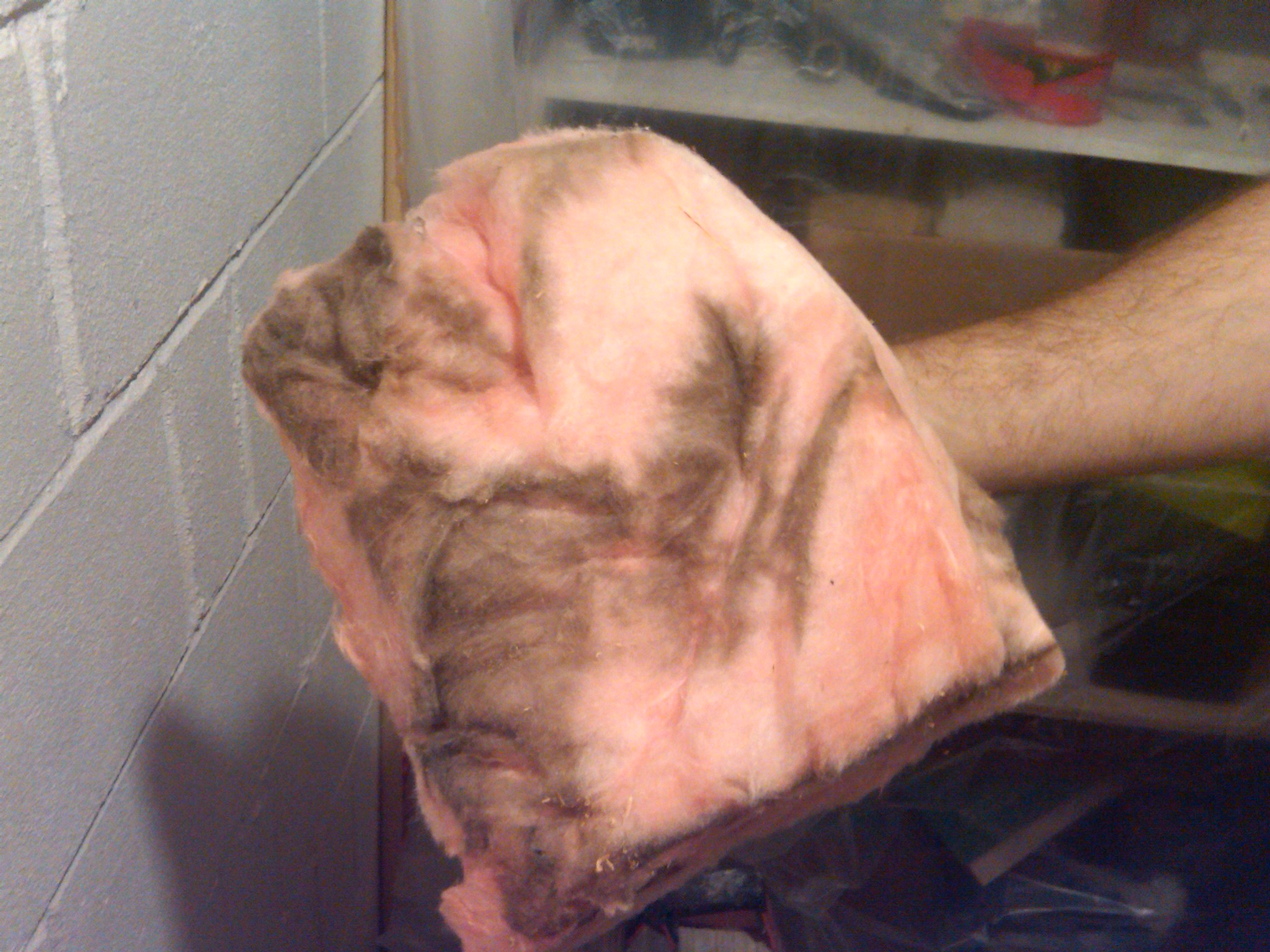
Recognizing crawl space problems early helps reduce the risk of more complex issues throughout the home. A wet, musty crawl space, persistent strange smells, or visible mold growth can signal excessive moisture and poor air movement. Pests and insects often take advantage of these damp, dark conditions, creating an additional layer of concern for homeowners.
Structural symptoms also matter. When moisture remains around floor framing, floor surfaces may begin to feel uneven or appear to sag, and prolonged exposure to damp conditions can contribute to wood rot in framing elements. These changes indicate that conditions beneath the home are no longer stable and need attention from a Certified Structural Technician.
Moisture can reach the crawl space through multiple pathways, including water intrusion from under or over the footer, subsurface water, wall cracks, bleeding or sweating walls, vents or windows, and excessive humidity in the air. Over time, these conditions may worsen indoor air quality, shorten appliance life, and increase heating and cooling usage. Thoughtful crawl space repair and moisture control strategies can help manage these risks and prepare homeowners to explore crawl space encapsulation and other improvement options.
Benefits of Crawl Space Encapsulation for Home Health
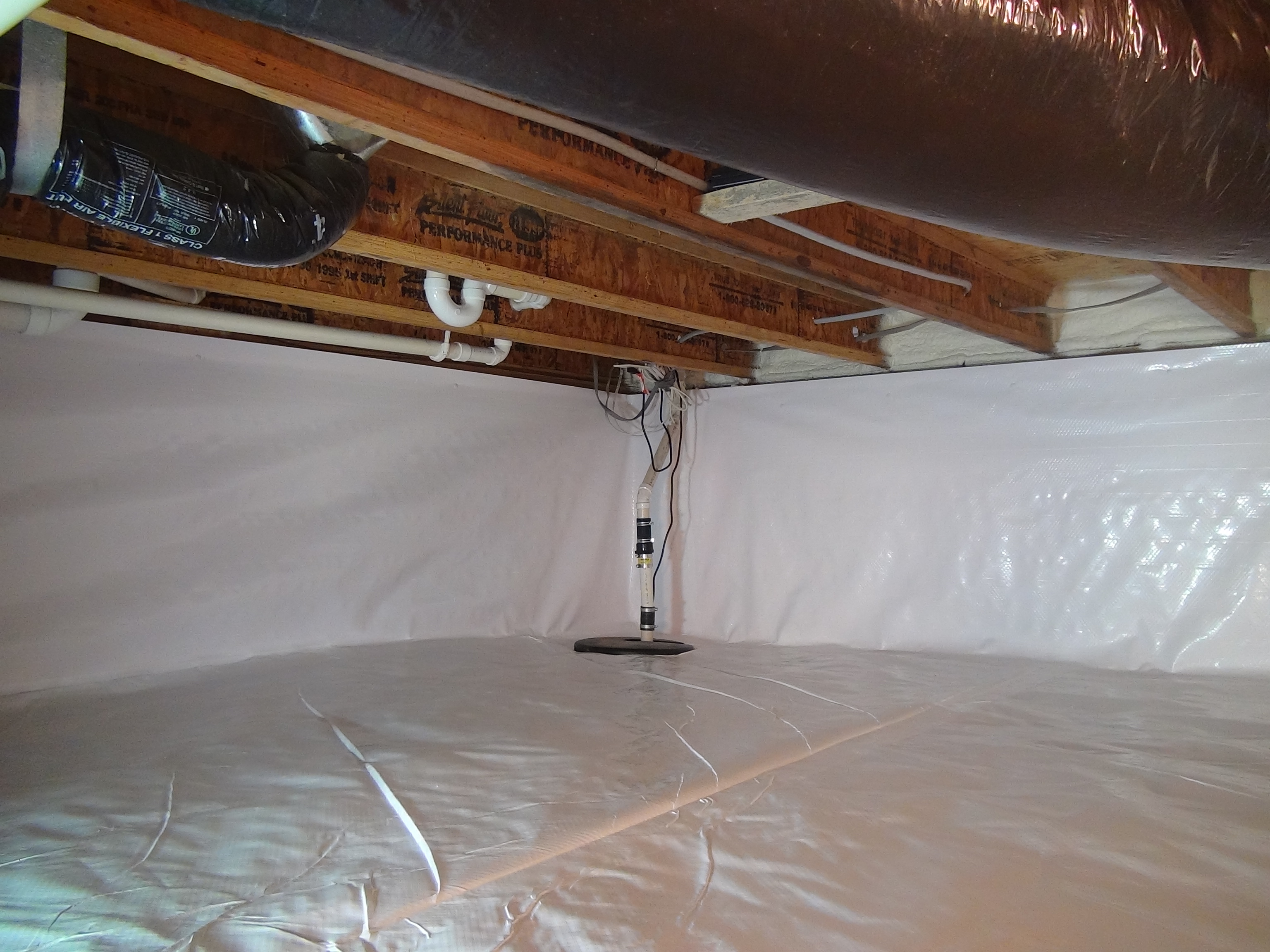
Crawl space encapsulation targets chronic moisture and air problems that affect the living space above. By sealing exposed soil and walls with a moisture-resistant SafeSeal™ liner and integrating drainage and dehumidification, we help lower humidity levels that support mold growth, musty odors, and allergens. This supports measurable air quality improvement inside the home and can deter pests and insects attracted to damp, untreated crawl spaces, while also creating a cleaner, more usable storage environment.
When humidity is better controlled, flooring systems are less prone to shrinking, swelling, and wood rot, which can support longer flooring life and help reduce structural issues. Drier, conditioned crawl space air can reduce stress on HVAC equipment, supporting an energy efficient home and, in many cases, helping reduce heating and cooling costs. By improving comfort, indoor air, and structural conditions beneath the home, crawl space encapsulation can contribute to a potential home value increase.
Inside the SafeSeal™ System and Encapsulation Components
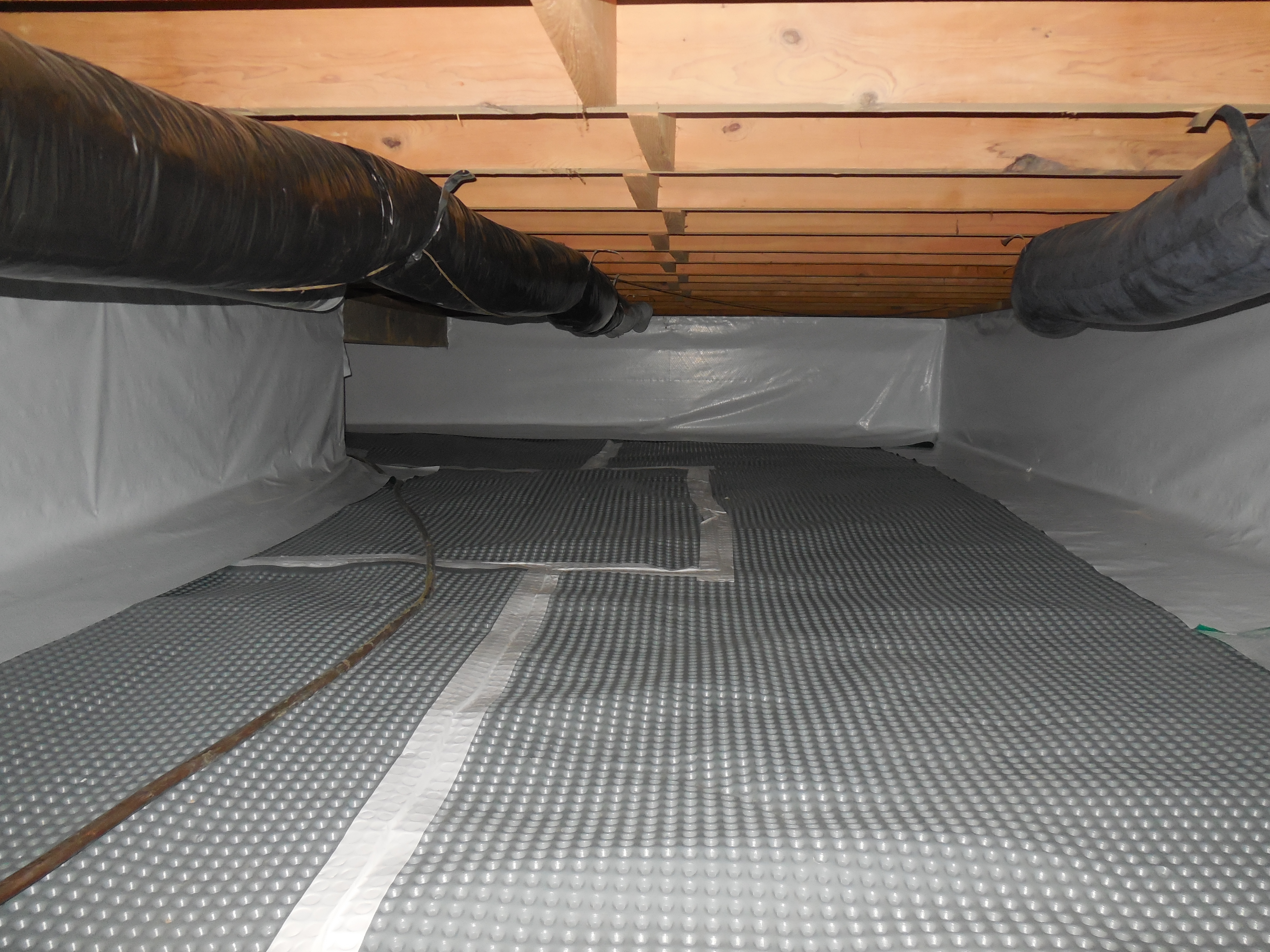
Our SafeSeal™ system combines moisture control, drainage, and air movement into one coordinated approach for crawl space encapsulation. The core component is the SafeSeal™ liner, a reinforced vapor barrier installed on walls, floors, or both. This liner helps seal the crawl space from ground and wall moisture, supports improved indoor air quality, and is described as anti-microbial and mold resistant to help reduce the risk of wood rot and decay. Learn more about SafeSeal™ components here.
A Certified Structural Technician can configure the Water Lock™ Plus system around the interior perimeter to help capture intrusive water and route it to discharge points. This interior drainage approach works with sump pumps or other crawl space solutions to move water out and away from under the home, which in turn helps lower humidity levels and support foundation waterproofing goals for the crawl space area.
During installation, certified technicians illuminate the space and prepare targeted areas. Vents and other openings where outside air may enter are sealed as needed. The SafeSeal™ encapsulation liner is then custom-cut on site to match the home’s dimensions and fastened with specialized sealants and mechanical anchors. Once the vapor barrier and drainage are in place, optional air exchange components can be added to move air through the crawl space and out of the home, helping reduce odors, gases, and excess moisture as part of a broader crawl space encapsulation plan.
Drainage Strategies and Foundation Waterproofing Around Crawl Spaces
Effective drainage and foundation waterproofing work together to manage water before it can collect beneath the home. During an assessment, our certified technician reviews how interior and exterior components interact around the crawl space and how they may support structural performance.
Interior drainage options such as EZ drain or pipe and rock are installed inside the crawl space and configured to direct intrusive water toward sump pumps. These systems are described as purpose-built to help capture water that appears under or over the footer or from subsurface sources, then route it to a discharge line so it can be moved out and away from the structure.
On the exterior, French drain installation, subsurface drains, gutters, and downspout extensions help reduce standing water before it can migrate into the crawl space. By drawing surface and shallow subsurface water away from the perimeter, these systems support footer drainage and help lower the volume of moisture pressing against foundation walls.
Structural Crawl Space Repair to Support Floors and Framing
When floors feel soft, are uneven, or visibly sag, crawl space repair strategies often become part of the solution. Our approach pairs structural adjustments with moisture control so the home is supported from the ground up. A Certified Structural Technician evaluates floor framing, support spacing, and moisture conditions, then recommends a plan that can include structural supports and crawl space encapsulation as a coordinated remediation strategy.
SafeAdjust™ posts are used as part of the CrawlSafe™ combination to provide adjustable support to floor framing. By adding these supports in targeted locations, technicians help manage settling and uneven floors while working to improve overall structural performance. When this structural work is combined with vapor barriers and other crawl space solutions, the system can also help reduce moisture around wood framing and support longer-term stability.
By helping manage humidity and using vapor barriers to support protection against wood rot and decay, crawl space repair can contribute to flooring longevity and help support foundation stability. These methods build on our long history providing crawl space services to homeowners seeking coordinated structural and moisture control strategies.
Air Quality Improvement With Dehumidifiers and Ventilation
After encapsulation, our Certified Structural Technician may recommend dedicated air quality equipment to help manage conditions under the home. Crawl space dehumidifiers are installed within the encapsulated area to draw moisture from the air and move it through internal filters, which support cleaner air before it is discharged. These units are described as commercial-grade and connect directly to the crawl space drainage system so collected water is routed out and away rather than stored in a tank.
Ventilation equipment is used to create controlled air exchange in the crawl space. By moving air through the space, this system helps lower humidity levels and supports the removal of odors and gases that can accumulate under the home. Because this approach is described as energy efficient, it can contribute to more stable conditions without placing unnecessary stress on other appliances, supporting goals for an energy efficient home.
When combined with crawl space encapsulation, these air systems support overall air quality improvement, help reduce allergens, and may lessen the workload on heating and cooling equipment. Together, they form an important part of crawl space solutions designed to address both comfort and long-term moisture control under the home.
Sump Pumps and Backup Components for Water Management
Sump pumps are a central part of our crawl space water management approach because they are configured to help move pooling water out and away from the home. When our technician designs a system, the sump basin is typically tied into interior drainage components, so intrusive water is collected, directed, and then pumped through a dedicated discharge line rather than left to soak the soil and structural elements.
Available crawl space sump pump options can include primary pumps sized for the space and battery-backup systems that may continue to operate during power outages. Discharge is routed through solid discharge piping sized and installed to help move water away from the crawl space efficiently as part of our broader foundation waterproofing and moisture control strategy.
By helping move standing water away from the structure, sump pumps support overall moisture control, help protect interior drainage components during storms, and work especially well when integrated into crawl space solutions that also include crawl space encapsulation and dehumidification.
Professional Crawl Space Services
When you invite us under your home, a Certified Structural Technician evaluates the crawl space as a complete system, not as isolated issues. We look at structural components, moisture levels, and water intrusion patterns, then match what we see to a range of crawl space encapsulation, crawl space repair, drainage, and dehumidification options described in our crawl space encapsulation overview. This helps reduce the risk of addressing symptoms while leaving underlying causes unmanaged.
Our technicians draw on experience providing professional crawl space services with structured assessments provided at no charge. We explain how SafeSeal™ vapor barriers, drainage systems, dehumidifiers, and sump pumps can be integrated so water is collected, managed, and discharged in a coordinated way rather than piecemeal.
Crawl Space Maintenance and Ongoing Care
Effective crawl space maintenance starts with simple visual checks. After installation, homeowners can periodically scan the liner for tears, loose fasteners, or areas where walls or floors are no longer tightly covered. Pooled water, new staining on the vapor barrier, or musty odors can signal that drainage components, sump pumps, or dehumidifiers need attention from our technician.
A Certified Structural Technician can provide more detailed evaluations. During a visit, our team may review interior and exterior drainage, confirm that sump pumps discharge water away from the home, and verify that dehumidifiers are operating and connected to the drainage system. Filters and air exchange components can be checked so air continues to move through the crawl space as designed, supporting both air quality improvement and moisture control over time.
Because every home and soil condition is different, ongoing crawl space maintenance schedules may vary. We encourage homeowners in Clarksville to work with our certified technicians to create a plan reflecting local conditions, existing moisture control measures, and any structural repairs already completed so that encapsulation and Foundation Waterproofing systems continue to perform as intended.
For homeowners in Clarksville who want to help protect their foundations, enhance indoor comfort, and pursue potential home value increase through coordinated crawl space solutions, professional guidance can make the process clearer and more manageable. To discuss crawl space encapsulation, crawl space repair, drainage, or air quality options tailored to your home, contact us.