
French Drain Installation for Clarksville, TN Homes
Exterior drainage around a home or business in Clarksville plays a major role in how soil behaves, how landscaping performs, and how the foundation holds up over time. When water consistently pools near the structure, softens planting beds, or seeps toward basements and crawl spaces, property owners often feel real concern about long-term damage. We understand that those puddles and soggy spots can be frustrating as well as stressful, especially when they keep returning after every storm. Our goal is to explain how French Drain Installation and related drainage components can help manage these conditions and support more stable performance around local properties.
We focus on French Drain Installation as part of a broader approach to managing water around the structure rather than a single product. That means looking at how water arrives on the site, how it flows across lawns and hardscapes, and how it leaves the property. By walking through common drainage symptoms, soil conditions, and available drainage products, we can outline custom water management solutions that help move water away from foundations, promote healthier landscaping, and support overall property value in Clarksville.
What French Drain Installation Means for Clarksville Property Owners
When we talk about French Drain Installation and related approaches in Clarksville, we mean a planned system for collecting and directing runoff so it flows away from the structure instead of soaking into the soil next to it. Unmanaged water can leave shallow pools across the yard, saturate planting beds, and concentrate moisture near foundation walls. Over time, this extra moisture can increase the risk of basement or crawl space leaks and soften the soils that help support the structure, which may also affect curb appeal.
By routing water away from the building and helping keep soil moisture more consistent, we support more reliable foundation performance and healthier lawns and plantings. Our emphasis is on high-quality drainage systems that stay largely out of sight while they help manage water during storms and routine irrigation. Because drainage systems require periodic maintenance and site conditions can change, we use clear, straightforward guidance rather than promising permanent results or specific warranty terms within this overview.
Common surface clues that suggest drainage concerns around Clarksville properties include:
- Standing water that lingers long after rain ends
- Soggy or spongy turf areas that are difficult to mow
- Moss or organic growth along lower walls or at the base of downspouts
- Water pooling near walks, drives, or patios after storms
Visible Symptoms and Risks Linked to Poor Drainage
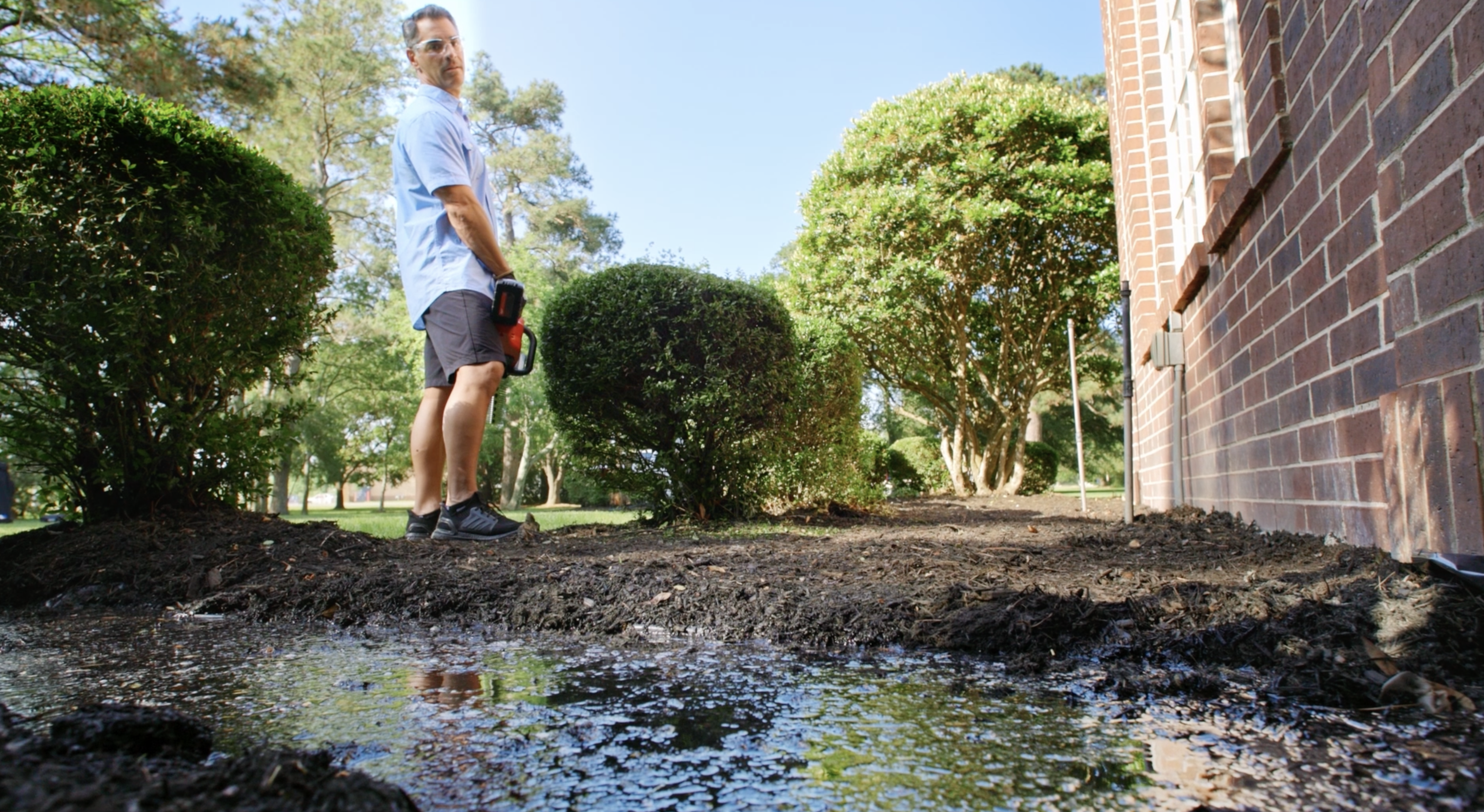
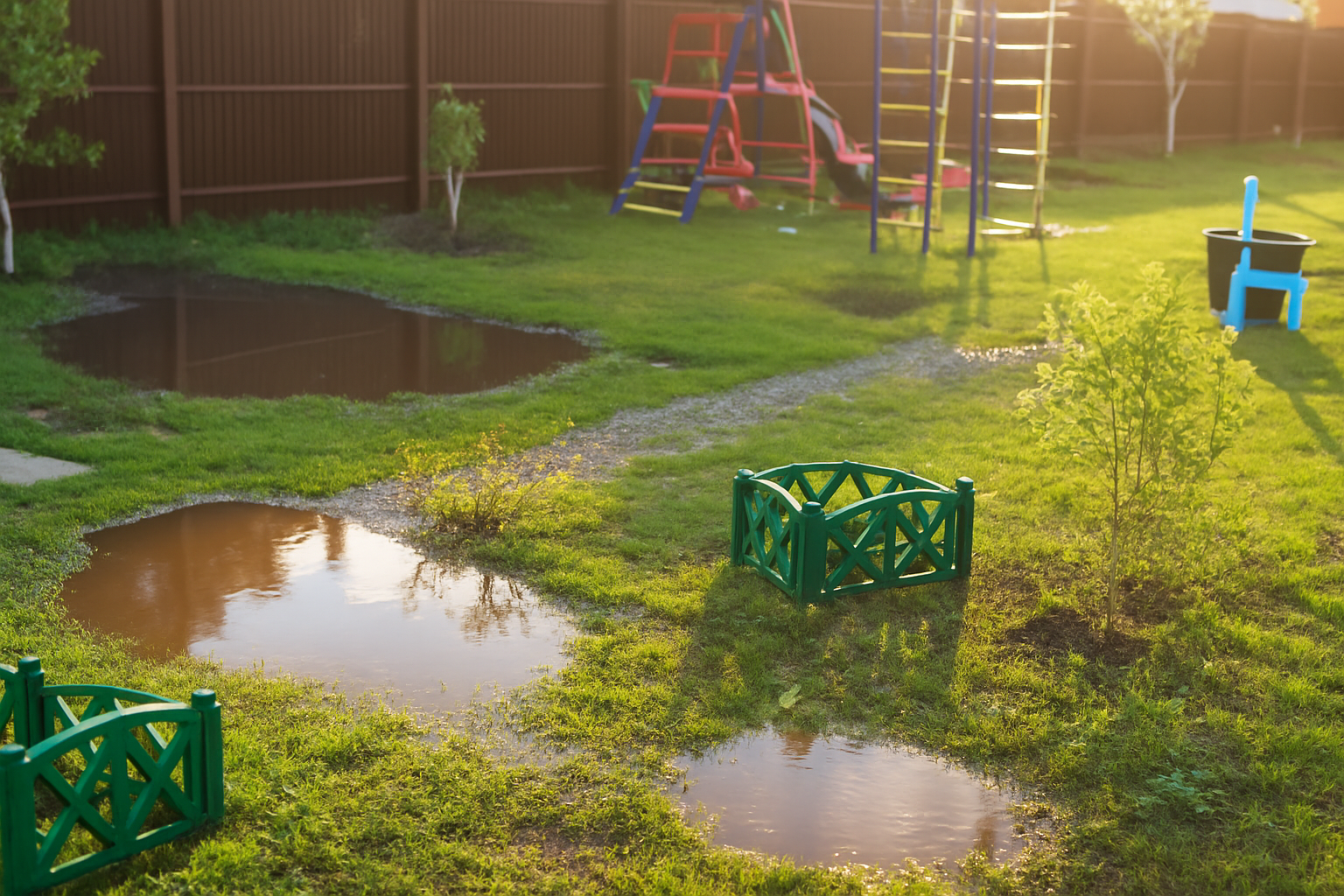
Poor drainage often appears first as surface problems that may seem minor but point to bigger issues underground. After rain or irrigation, water can gather in low spots, leaving turf saturated and stressing ornamental plants. Persistent standing water may create slippery, muddy areas that are harder to maintain and can allow organic growth on patios, steps, or siding. These same wet zones often coincide with higher mosquito activity, so effective mosquito prevention around the property usually starts with better water control rather than short-term treatments alone.
Beneath those visible symptoms, excess moisture can collect around footings, under slabs, or beneath crawl spaces. In these locations, water may find paths into basements, contribute to damp crawl spaces, or create conditions that call for targeted poor drainage solutions to support structural performance. In expansive clay soils, repeated cycles of saturation and drying can cause the ground to swell and shrink, which may contribute to foundation movement, interior cracking, and uneven finishes.
While homeowners are coordinating a visit from a certified structural technician, there are short-term steps that may help. Clearing gutters, extending downspouts temporarily, and limiting irrigation near already saturated zones can often reduce pooling. It also helps to document where and when water collects so our certified technicians can evaluate patterns carefully and suggest high-quality drainage systems that respond to those specific conditions rather than generic fixes.
How Drainage Problems Can Affect Foundation Performance
When water is not routed away from the structure, it can migrate along the perimeter and under slabs or crawl spaces. Over time, these conditions may lead to recurring standing water, soft or unstable soil, and higher moisture levels beneath the foundation. We frequently see that long-term foundation concerns are closely linked to these kinds of drainage patterns, because moisture changes affect how the supporting soil behaves.
Well-planned French Drain Installation and related drainage components work differently. By directing runoff through French drains, surface drains, and other elements described on our foundation drainage service page, we help support more consistent soil moisture around and under the structure. This consistency can reduce the risk of settlement or heave that might otherwise contribute to cracks or leaks. When a Certified Structural Technician evaluates both drainage and structural conditions together, we can align poor drainage solutions and foundation repair services so they work as a coordinated plan instead of isolated projects.
Understanding the chain of events helps clarify why drainage matters. A typical progression might begin with short downspouts or flat grading, followed by saturated soils, then foundation movement and visible cracking. Addressing water management earlier in that sequence can help reduce stresses on the structure and support more predictable performance over time.
Soil Conditions, Expansive Clay, and Erosion Control
Soil type around a structure has a major influence on how drainage issues develop, and expansive clay soils present particular challenges. These clays tend to absorb water readily and then swell as they become saturated. That swelling can press against foundations, floors, and slabs. When the soil later dries, it contracts and releases that pressure. Repeating this cycle over and over may contribute to ongoing movement that shows up as cracks, uneven floors, or misaligned doors and windows.
Our Certified Structural Technician looks for clues that point to active soil movement, such as recurring ponding in the same areas, zones that stay soft long after rain, or surface cracking in hardscapes. We focus on drainage products that move excess water away from the foundation to help maintain steadier moisture levels in these clay layers. This supports erosion control by helping limit concentrated surface flow that can wash topsoil from around plantings and near foundation walls.
Where steep slopes or complex yard layouts are present, we may recommend combinations of French drains, surface drains, and carefully routed discharge lines to help manage both runoff and subsurface water. This layered approach gives water defined paths to follow so it is less likely to carve channels through beds or carry soil away from root zones.
Drainage Products and How They Support Water Management
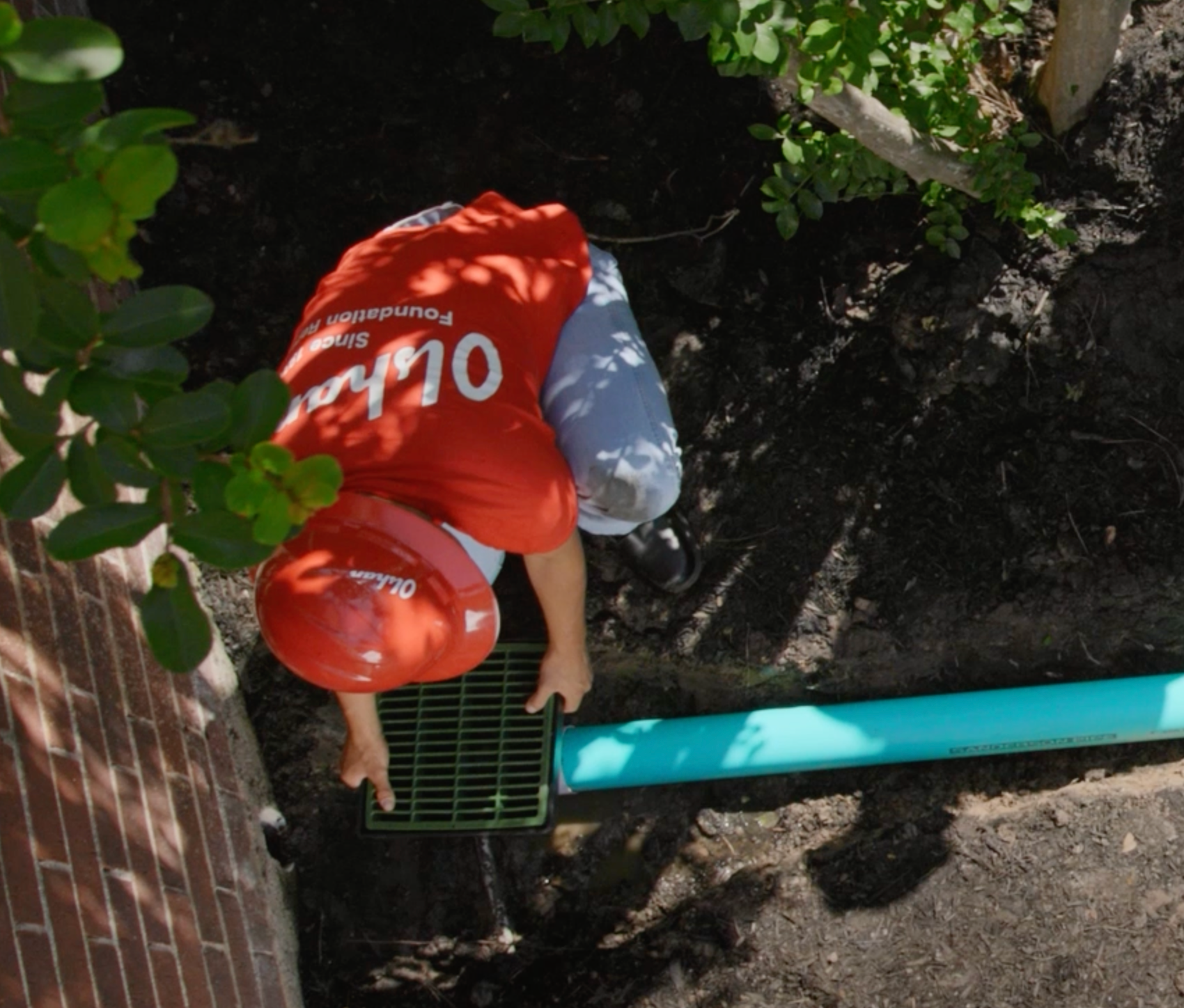
We configure our drainage products to collect water efficiently while staying as unobtrusive as practical. French drains, surface drains, downspout extensions, and subsurface lines can be arranged so water is captured near the surface or below grade and then routed toward appropriate discharge points. These components work together within broader high-quality drainage systems designed to help move water away from foundations, walkways, and landscaped areas before it becomes a lingering problem.
Additional elements such as pop-up emitters, catch basins, and cleanouts help manage the flow paths created by these systems. Pop-ups provide controlled outlets where water can be released in designated lawn areas. Catch basins allow debris to settle out so it is easier to remove during maintenance. Cleanouts make it simpler to access and service piping over time. By combining these pieces thoughtfully, we can create custom water management solutions that help reduce standing water, protect plantings, and support long-term structural performance.
For property owners who want a deeper overview of how these drainage methods relate to foundation performance, our article on foundation drainage grading problems discusses how grading, runoff patterns, and soil conditions interact around a structure.
Designing Custom Water Management Solutions for Clarksville Sites
Every property in Clarksville has its own combination of roof size, grading, soil conditions, and landscaping, so we treat each project as a unique layout. When we design custom water management solutions, a Certified Structural Technician begins with a structured on-site evaluation that focuses on how water reaches the lot and where it tends to collect. We study downspout locations, driveway and sidewalk slopes, low-lying zones in lawns or beds, and any existing drainage components to understand how they are performing.
Based on that evaluation, we may recommend French Drain Installation along targeted sections, additional surface drains in low spots, or subsurface lines connected to downspout extensions. Catch basins, pop-up outlets, and cleanouts are then arranged so water has a defined path from collection points to discharge locations. Installation plans are developed to help preserve established landscaping where possible and to keep finished appearances neat and consistent with the property.
Because drainage and structural performance are closely related, we often coordinate our recommendations with foundation repair services when appropriate. Addressing both together can help support more predictable results than treating them separately, especially in areas with expansive clay soils and recurring surface water.
Drainage Assessment and the Role of Certified Structural Technicians
A thorough drainage assessment is one of the most important steps in addressing persistent water issues around a property. During this visit, our Certified Structural Technician focuses on how both surface and subsurface water move around the structure and interact with surrounding soils. We begin by reviewing grading, gutter performance, downspout discharge points, and any visible drain components, noting locations where water flows back toward the building or stands for extended periods.
From there, our technicians look for conditions that may allow water to collect under the structure, saturate crawl spaces, or affect basement walls. We also consider how moisture changes in expansive clay soils could influence foundation behavior over time. Where French Drain Installation or other drainage elements are already present, we evaluate how they are functioning and whether adjustments could help improve performance.
The outcome of a drainage assessment is a clear set of observations and recommendations. We outline custom water management solutions that reflect site-specific patterns, discuss how they support foundation performance, and explain how regular maintenance can help keep high-quality drainage systems operating as intended. This educational approach allows property owners to make informed decisions about next steps.
Installation Quality, Maintenance, and Long-Term Performance
Design is only one part of a successful drainage program; installation quality and ongoing care also play major roles. Our Certified Structural Technician develops layouts that consider pipe slope, collection points, and discharge locations carefully so water is encouraged to flow through the system rather than remain in low spots. Attention to these details helps high-quality drainage systems manage runoff more consistently compared with temporary surface fixes that may only redirect water a short distance.
To support long-term performance, we recommend routine visual checks after significant storms, along with periodic cleaning of catch basins and confirmation that pop-up emitters are opening and closing freely. Removing leaves and debris before they accumulate within components helps maintain flow paths and reduces the risk of backups. When property owners notice renewed standing water, surface erosion, or signs of foundation movement, a follow-up visit from a certified technician can determine whether adjustments to the existing system or additional poor drainage solutions may be helpful.
Because drainage systems interact with changing soil and landscaping conditions, we view them as part of an ongoing property maintenance plan rather than a one-time project. This perspective aligns French Drain Installation and related services with broader efforts to protect both structures and outdoor spaces.
Health, Landscape, and Environmental Considerations
Effective water management offers benefits beyond supporting foundation performance. When French Drain Installation, surface drains, and pop-up discharge components help reduce shallow pooling, they also limit the small, stagnant water pockets that can support mosquito activity. As a result, these systems can play a meaningful role in mosquito prevention around outdoor living areas, especially when combined with responsible landscaping and maintenance practices.
From a landscape perspective, steady drainage helps keep root zones healthier by avoiding constant cycles of saturation and drought at the surface. This can support stronger turf, more resilient plantings, and reduced soil compaction. At the same time, consistent drainage supports erosion control by helping reduce concentrated flows that might otherwise wash soil from beds, expose roots, or move sediment onto hardscapes.
Interior and crawl space drainage elements that help limit chronic moisture intrusion may also reduce conditions that allow mold or mildew to develop. While we do not present this connection as a medical claim, many property owners appreciate that high-quality drainage systems around the structure can contribute to a more controlled moisture environment overall.
Next Steps for Clarksville Property Owners
When property owners in Clarksville notice recurring puddles, soggy planting beds, or soft spots close to the structure, it may be time to take a closer look at how water moves across the site. Scheduling a drainage assessment with a Certified Structural Technician allows us to examine grading, downspouts, and existing components together and then recommend custom water management solutions that reflect local soil and layout conditions.
Before the visit, it is helpful to note where water tends to collect, how long it remains, and whether foundation or interior changes have been observed over time. After we complete our evaluation, we can prepare a written repair program that summarizes recommended drainage steps alongside any related foundation repair services that may support structural performance. This coordinated approach helps property owners consider both immediate drainage concerns and long-term foundation needs in one plan.
If you are seeing signs of persistent water issues around your Clarksville property and want to discuss possible poor drainage solutions or French Drain Installation options, contact us.