Foundation Repair for Blue Springs, MO Homes
We focus on helping homeowners in Blue Springs understand how Foundation Repair supports the long-term stability of concrete slab, crawl space, and basement homes. By pairing professionally designed piling systems with ongoing monitoring, we aim to help manage soil movement before it leads to more serious structural concerns. Throughout this guide, we explain how our Certified Structural Technician evaluates symptoms, discusses causes, and recommends Foundation Support Solutions that are tailored to the structure and site conditions.
We also describe how technologies such as the Cable Lock ST Plus hybrid system and our ORLY Monitoring System for Foundation work together to help support foundations over time. Homeowners in Blue Springs can use this information to recognize early warning signs, better understand Soil Conditions and Foundations, and decide when it may be time to request a professional structural assessment.
What Foundation Repair Covers and Why it Matters
Foundation Repair focuses on how movement in the soils beneath a structure affects slab, crawl space, and basement foundations. When clay soils expand and contract with changing moisture, foundations can settle, shift, and crack, creating visible symptoms around the home. Over time, this movement may contribute to issues such as cracked walls, sloping floors, sticking doors, or moisture intrusion if it is not properly managed.
Our Certified Structural Technician evaluates these conditions, identifies how soil, drainage, trees, or plumbing leaks are affecting the structure, and recommends Foundation Support Solutions that are tailored to the property. We use hybrid piling technologies that combine steel depth with concrete bearing area to help support foundations on more stable strata, as outlined in our detailed Cable Lock ST Plus system overview. Many of our solutions are supported by an Available Lifetime Warranty, and we pair this with free estimates, convenient payment options, and monitoring technology that tracks subtle changes over time.
How to Recognize Symptoms of Foundation Problems
Recognizing early symptoms of Foundation Problems helps reduce the risk of more extensive damage in Blue Springs homes. As soil dries, swells, or becomes saturated, the resulting movement can contribute to wall and ceiling cracks, sticking doors and windows, and floors that appear cracked or out of level. Poorly fitting molding, misaligned cabinets, and gaps where walls meet ceilings or floors can also signal that the structure is responding to changing support conditions beneath the home.
Because these issues often progress rather than improve on their own, our technicians emphasize timely evaluation. Our Certified Structural Technician can assess these patterns and discuss options, including Cracked Foundation Repair, that help manage ongoing soil-related stress while aiming to support overall stability. Many solutions are supported by an Available Lifetime Warranty, reflecting our focus on long-term performance as described in our warranty coverage information.
Common Causes and the Role of Soil Conditions
Foundation movement in Blue Springs often relates to how Soil Conditions and Foundations interact over time. Seasonal weather changes create dry and wet cycles that cause the soil bed to expand and contract, weakening support so portions of the slab can settle and crack. Poor drainage, including standing water, heavy discharge from downspouts, or negative slopes, saturates soils and adds inconsistent pressure against the structure.
Expansive clay soils shrink when dry and swell when wet, so even normal moisture swings can translate into upward heave in some areas and downward movement in others. Trees and tree roots draw moisture from the ground; when roots extend beneath the structure, they may dry out targeted zones of soil and increase differential movement. Under-slab plumbing leaks introduce excess moisture in isolated spots, sometimes contributing to localized heave. Our Certified Structural Technician can assess these patterns and recommend strategies that take into account the common causes of foundation problems.
Consequences of Delaying Foundation Repair
When foundation movement is left unaddressed, initial symptoms often trigger a chain of secondary problems that is more disruptive and costly to manage. Shifting or settling can stress underground plumbing, loosening joints and creating leaks that add excess moisture to already unstable soils. Over time, this may contribute to interior and exterior cosmetic and structural concerns, including cracked or sloping floors, damaged insulation, and misaligned trim.
As movement continues, cracks in walls and ceilings may widen, doors and windows may begin to stick, and framing distortion can contribute to roof and exterior envelope leaks. Disturbed framing and moisture intrusion can also increase the risk of electrical concerns. Together, these conditions can affect a home’s value, particularly when documented movement is left untreated. By focusing on Preventing Foundation Damage through timely evaluation from our Certified Structural Technician and appropriate repairs, we aim to help reduce the risk of escalation.
Homeowner Foundation Assessment and What to Expect
During a Homeowner Foundation Assessment, our Certified Structural Technician evaluates visible symptoms and underlying soil-related conditions that may be affecting your home. We look for patterns such as cracks, sloping floors, sticking doors or windows, and signs of moisture-related movement that can develop as expansive clays shrink and swell or as drainage issues, tree roots, or plumbing leaks change soil support around the structure.
Using established industry criteria for what constitutes a foundation problem, we compare observed movement to documented standards rather than relying on guesswork, similar to the structured approach described in our foundation problem assessment resources. Based on these findings, we discuss repair paths that may range from targeted underpinning in one area to more comprehensive solutions. Many of these options are supported by an Available Lifetime Warranty, allowing homeowners to consider long-term support as part of their decision-making process.
Overview of Foundation Support Solutions and Comparisons
When homeowners compare Foundation Support Solutions, it helps to understand how traditional underpinning and piling methods relate to newer hybrid systems. Concrete pads were once considered simple and inexpensive to place, but they do not typically reach deeper, more stable soils and have been described as unreliable solutions that can lead to frequent replacement costs. Drilled piers improve the likelihood of reaching stable soil, yet installation may be slower, more invasive, and more costly.
Driven steel piers can be load tested and extend deeper, but steel components may corrode over time. Simple pressed pilings allow reliable load calculations but are not reinforced and can buckle in challenging soils. Helical piers can provide both tension and compression support and do not require concrete, but they can be more expensive and may still be vulnerable to corrosion or buckling. Our Cable Lock ST Plus hybrid system combines steel and concrete in a single, depth-verifiable assembly that has been described as deeper, stronger, and more durable than many traditional methods in our evolution of foundation repair overview.
Why Cable Lock ST Plus is a Preferred Repair Method
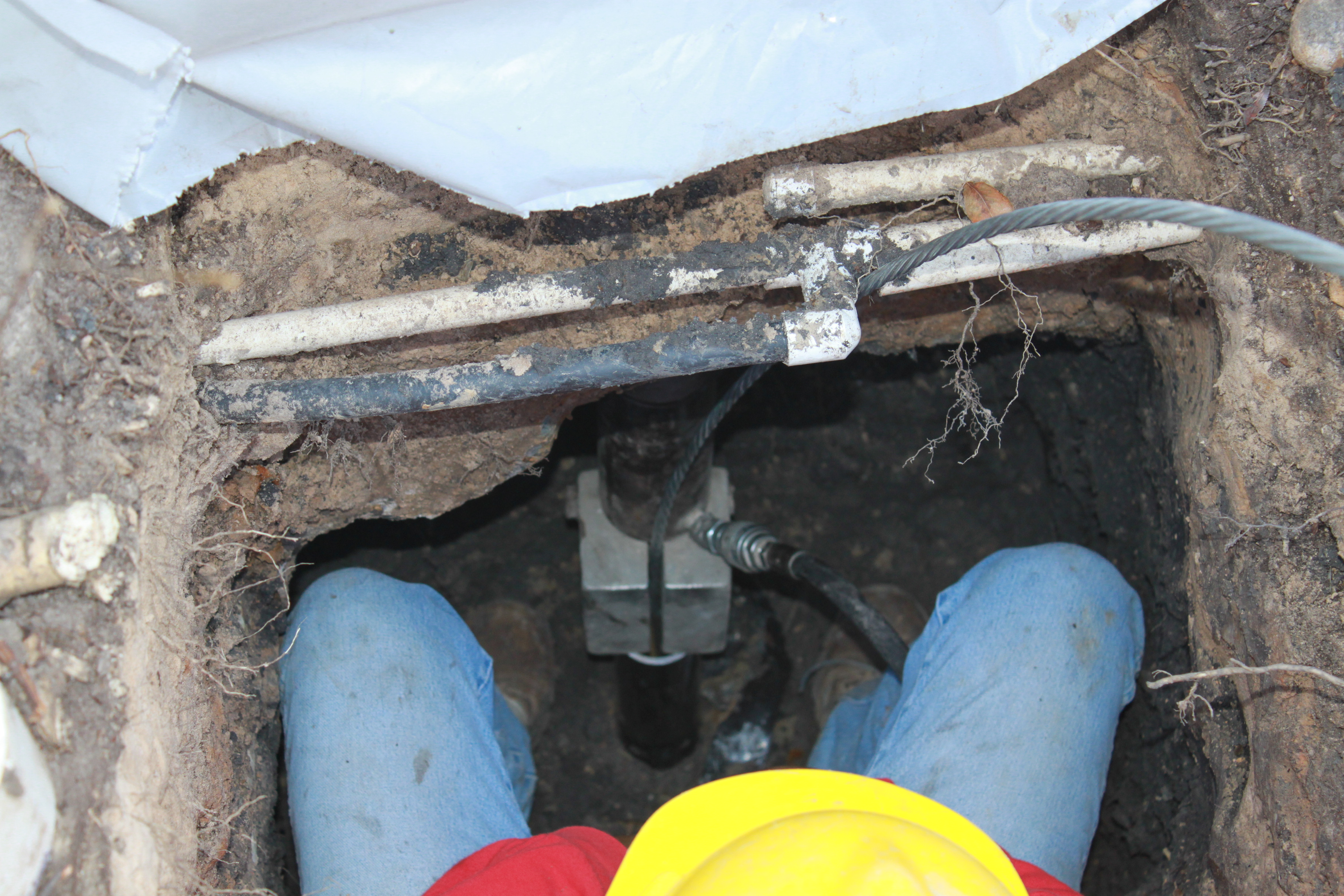
Cable Lock ST Plus is a hybrid Foundation Repair system that uses steel, concrete, and a continuous cable to help create deeper, more stable support. Steel segments are smaller in diameter, so they can be driven through harder clay and rocky soils into strata that are less affected by seasonal moisture changes. This depth focus helps reduce the risk that movement near the surface will continue to stress the structure.
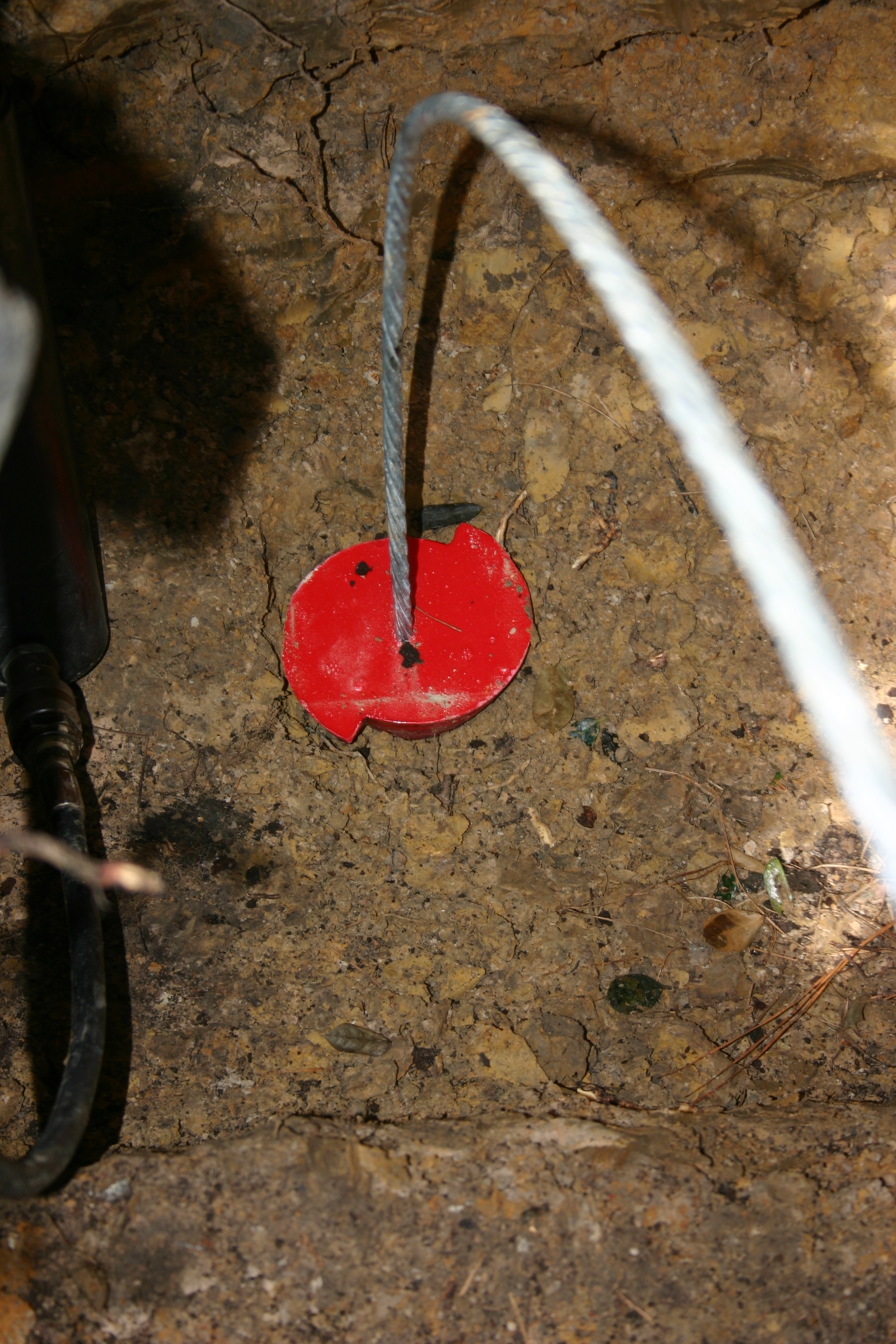
Above the steel, concrete cylinders provide greater bearing area, spreading loads over more soil for improved support while also resisting corrosion in moist conditions. A central cable runs through both materials to help keep the assembly aligned, verify depth during installation, and add reinforcement as the system is driven, as outlined in our detailed hybrid piling system description. Where soil variability and access constraints are concerns, this configuration can offer a more adaptable underpinning approach.
Concrete Slab Repair and Other Specific Repair Services
We use Concrete Slab Repair and other targeted methods to help address different structural and moisture-related problems. For cracked slabs and block foundations, our Certified Structural Technician may recommend a plan that includes the Cable Lock ST Plus hybrid piling system, which combines steel segments for depth with concrete cylinders for bearing support. This approach helps support settled areas so floors, walls, and framing can respond more uniformly over time.
For basement and crawl space leak issues, we focus on addressing foundation movement that can open pathways for water, then use appropriate repair strategies to help reduce the risk of recurring moisture and wet basement conditions. Most Cable Lock ST Plus installations are typically completed in a relatively short timeframe, with careful cleanup so plants are reset, surfaces are patched, and yards are left tidy, following the staged process shown in our Cable Lock ST Plus installation outline.
ORLY Monitoring System and Ongoing Protection
With our ORLY Monitoring System for Foundation, we extend protection beyond initial repair by watching how your home responds to shifting soils over time. Sensors track movement and transmit updates and analytics to a smartphone, so homeowners can review objective data instead of waiting for visible cracks or sticking doors. Our technicians review ORLY readings to provide guidance when the data suggests meaningful change, helping you act before conditions appear more serious.
ORLY operates with ongoing monitoring, improving the chances of catching subtle patterns that might otherwise remain hidden between seasonal weather swings. Continuous documentation can also support resale conversations by demonstrating that the foundation has been consistently monitored, which may help reduce uncertainty for future buyers, as outlined in our foundation monitoring system overview. ORLY is designed to complement repair work, not replace it, and is appropriate for aging homes, properties exposed to extreme weather, or structures with previous foundation movement.
Warranty Transfer, Payment Options, and Installation Process
Our team supports Foundation Support Solutions with clear next steps and straightforward communication. Many repairs are backed by an Available Lifetime Warranty that is also a Lifetime Transferable Warranty, which can be transferred to a new owner when the property is sold, as described in our warranty transfer guidelines. This transferability can help support buyer confidence by documenting where support has been installed and how it is covered.
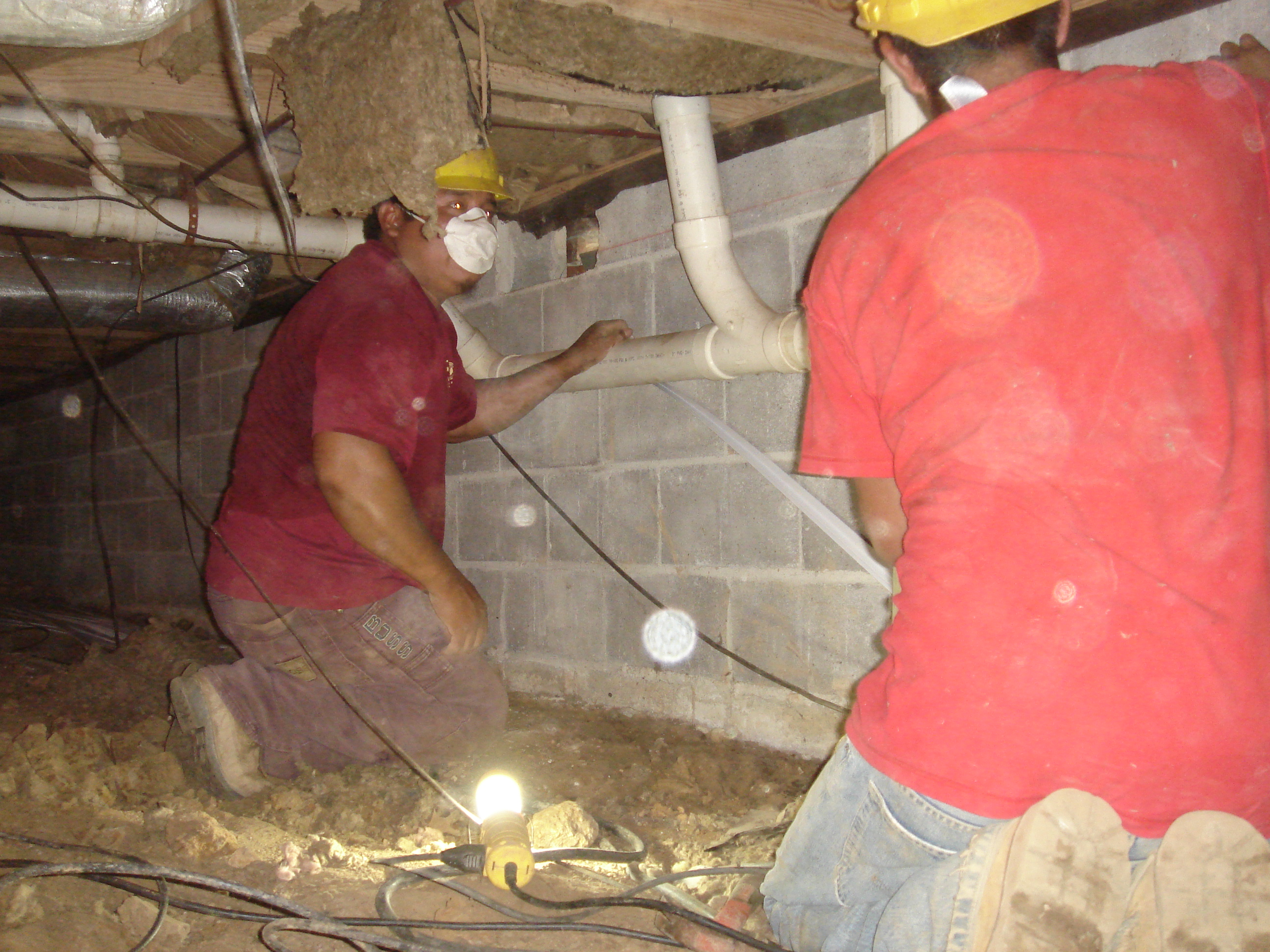
During installation, we carefully prepare the worksite, relocate plants where needed, and create access points to place pilings. Steel and concrete segments are then driven as part of the Cable Lock ST Plus process, with spacing and depth guided by trained personnel. We refill excavations, patch surface breakthroughs, replant, and complete final cleanup so the property is left in orderly condition, consistent with the phased steps shown in our hybrid piling installation process. We also support homeowners with free estimates and convenient payment plans to help make structural improvements more manageable.
Putting It All Together for Your Blue Springs Home
For homeowners in Blue Springs, addressing Foundation Problems early can help support both structural performance and long-term value. By combining Foundation Repair methods such as the Cable Lock ST Plus system with ORLY monitoring and warranty options, we work to provide a coordinated approach that responds to the realities of local soil and moisture conditions. Our Certified Structural Technician focuses on understanding your goals, explaining available options, and recommending a path that fits your home’s needs.
If you are noticing cracks, sticking doors, uneven floors, or other changes that raise concerns, a Homeowner Foundation Assessment can provide clear information about what is happening beneath your home. We are ready to discuss Cracked Foundation Repair, Concrete Slab Repair, and other Foundation Support Solutions that help with Preventing Foundation Damage in ways that align with your priorities. To explore options and schedule a professional evaluation, Contact us.