
Basement Waterproofing for Newton, KS Homes
We provide basement waterproofing services that help manage water around basement walls and floors, support structural stability, and improve indoor conditions in Newton homes. Our approach centers on understanding how water reaches the basement, then selecting systems such as the Water Lock Plus System and related home structural services to help manage moisture and hydrostatic pressure. We also offer a free basement evaluation so homeowners can receive a tailored plan without upfront cost.
Basement Waterproofing Overview for Newton Homes
Basement waterproofing in Newton focuses on managing intrusive water and the hydrostatic pressure that builds around basement foundations. Even small cracks, gaps between the footer and the floor, or stress at wall mortar joints can allow water to seep into the basement and reduce useful living space, as outlined in our explanation of five ways water enters your home. Our Certified Structural Technician evaluates where water enters, how soils and subsurface water may affect the structure, and which mix of interior systems and related home structural services can help manage these conditions.
We draw on decades of experience, proven moisture intrusion solutions, and a full range of professional basement repair services to help support long-term performance for basement spaces. Our team focuses on managing water, supporting structural stability, and improving air quality so the basement can better align with home improvement goals.
Common Causes of Basement Water Intrusion
Water often follows predictable paths into a basement. Through floor cracks, excess water beneath the slab creates pressure that pushes moisture up through even narrow openings. Gaps between the footer and the poured floor can also allow pressurized subsurface water to move into the interior.
Walls and window areas can transfer moisture as well. Bleeding and sweating walls, window wells, and mortar joint cracks can collect water and guide it into living space. Water may also follow the joint between the wall and footer, entering along that interface. These patterns guide our moisture intrusion solutions for Newton homeowners and help our technicians match interior or exterior systems to the way water reaches the basement.
Interior Basement Waterproofing With Water Lock Plus
Interior basement waterproofing focuses on allowing water to reach a controlled collection point inside the basement, then directing it away from the living area. Rather than attempting to block water at the outer soil face, this method manages water that appears at floor cracks, wall-floor joints, and along the footer using purpose-built drainage components.
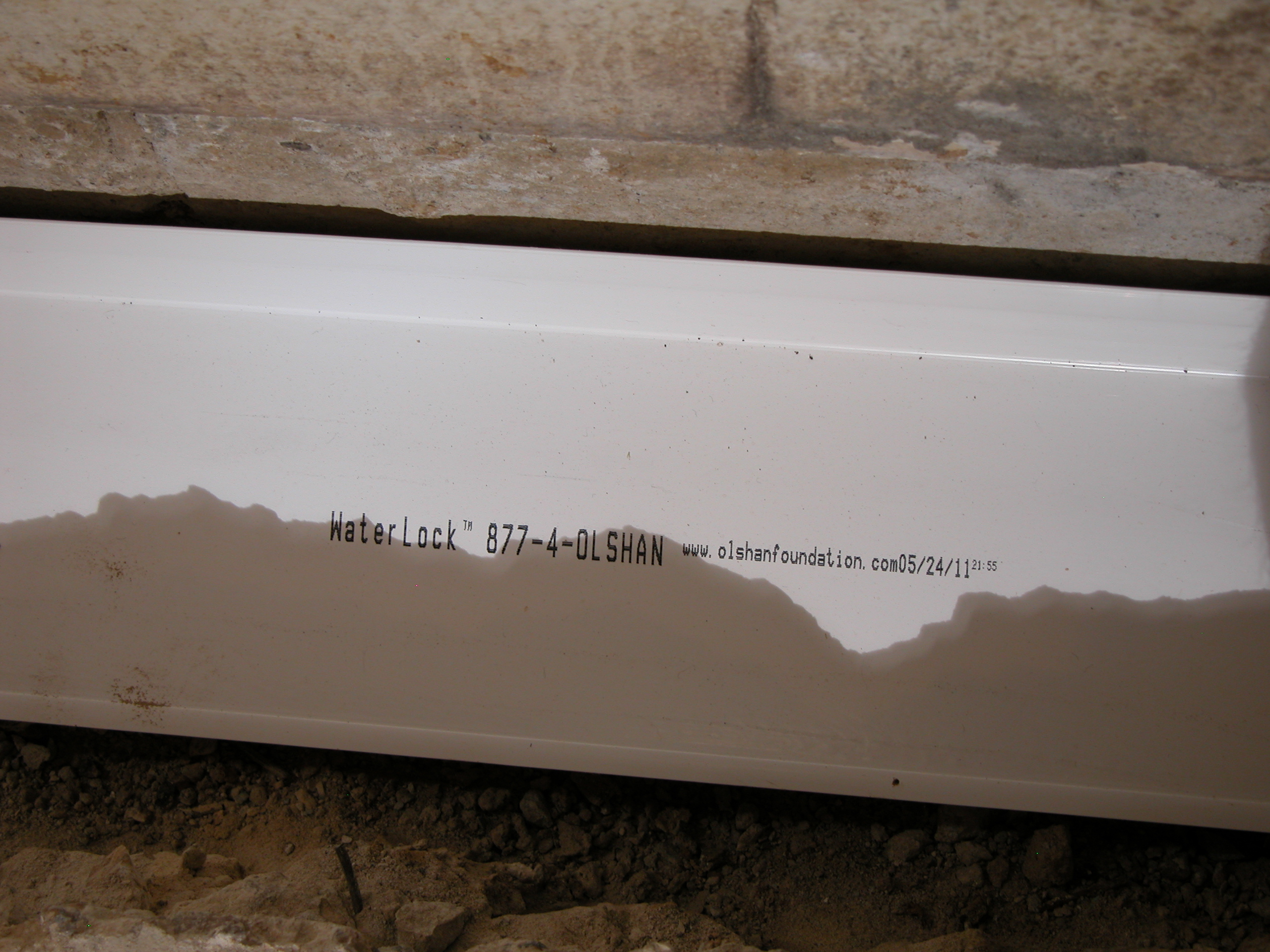
Our preferred interior solution is the Water Lock Plus System, a dual-channel drain that sits on top of the footer, away from surrounding dirt and gravel. One channel is wrapped in a geo composite fabric that acts as a filter, while the adjacent open conduit provides high-flow discharge capacity, as described in our overview of the Water Lock Plus water management system. Because this approach typically requires only 6–8 inches of concrete breakout, disruption to the slab is reduced.
Key benefits of the Water Lock Plus System include a clog-resistant dual pipe design, shorter installation times compared to many traditional methods, compatibility with wall protection products, and integration with sump pump systems for active discharge. These features allow the system to help manage intrusive water efficiently while supporting long-term reliability.
Exterior Basement Waterproofing Options
Exterior basement waterproofing focuses on intercepting water before it reaches the basement wall. In this method, we excavate along the outside of the basement to expose the wall down to the footer, then apply an exterior moisture barrier and install dimple board to help channel water downward toward dedicated drainage components.
This exterior wall treatment works together with footer drains, gravel backfill, French drain lines, and downspout extensions to help relieve hydrostatic pressure and guide water away from the structure. Because the work occurs outside, this option can help protect finished basements from interior disturbance. Installation typically requires more time than interior systems, but it avoids concrete breakout inside the basement and may be well suited to certain layouts or landscaping plans.
A Certified Structural Technician can help determine when exterior methods, interior systems such as the Water Lock Plus System, or a combination offers the most cost-effective waterproofing solutions for project goals and budget.
How Water Lock Plus Compares to Older Methods
When we compare options side by side, the advantages of the Water Lock Plus System become clearer. Many older systems sit beside the footer in soil, where they can clog, crush, or lose effectiveness over time. Traditional pipe-and-rock systems rely on gravel as a filter while the pipe rests in the dirt, which can lead to sediment buildup, restricted flow, and the need for wider concrete breakout.
Surface-mounted or glued channel products often allow water to enter the home before they collect it, and some designs may struggle with higher volumes or allow stagnant water to remain along the foundation wall. Segmented pipe systems that sit on top of the footer may reduce breakout, but most use single-chamber designs with limited entry points and areas that can clog with fines.
In contrast, the Water Lock Plus System uses a dual-channel configuration with a geo composite filter pipe and an open channel that sits on top of the footer. This design, featured in our explanation of the evolution of basement waterproofing systems, helps maintain flow paths, reduces the risk of clogging, and allows the layout to be custom fit to the basement perimeter.
Integrated Home Structural Services and Air Quality Support
We view basement moisture as part of a wider picture that includes structural movement and indoor air quality. Our professional basement repair services start with a Certified Structural Technician evaluating how water intrusion, soil movement, and wall or floor changes may relate. Structural components can then be paired with interior drainage, sump pumps, and French drain lines to help manage water before it contributes to further instability.
Moisture also has a direct impact on indoor air. Prolonged seepage, sweating walls, and trapped water can support mold, mildew, and odors. Our air quality solutions include basement dehumidifiers and other air quality components that help reduce humidity once water is collected and directed away, aligning with overall basement care and basement upkeep tips that support a healthier home environment.
By combining home structural services, interior drainage such as the Water Lock Plus System, and air quality equipment, we offer coordinated plans that help manage risk factors rather than addressing symptoms in isolation.
Water Lock Plus Installation Process in Newton
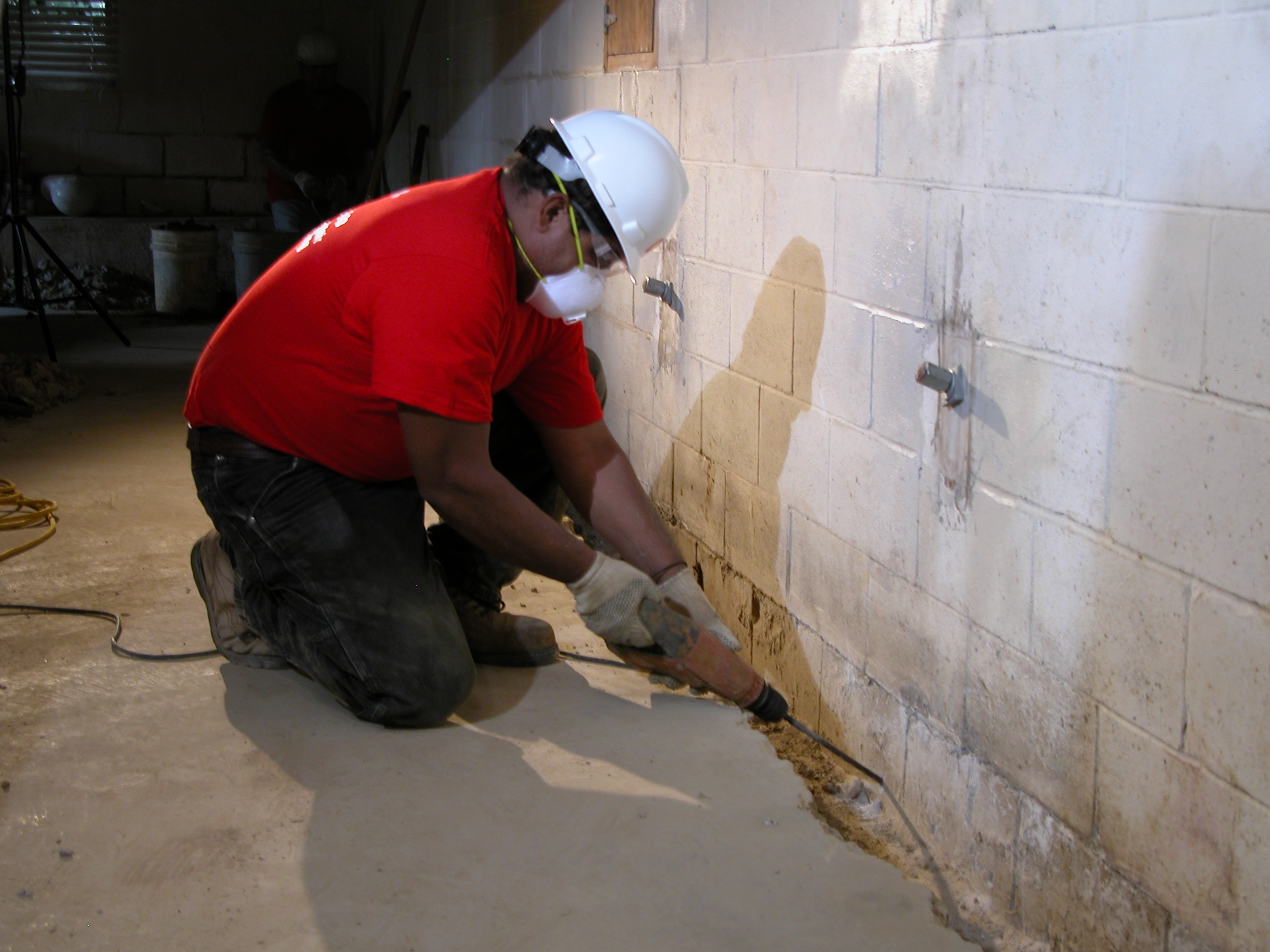
The Water Lock Plus System follows a defined installation sequence so homeowners know what to expect. As described in our detailed overview of the Water Lock Plus installation process, we begin by breaking out a narrow strip of concrete, typically about 6–8 inches wide, along the planned drain path to expose the footer.
We then create weep holes in block walls where appropriate so water within the blocks can drain into the system instead of onto the floor. Optional wall protection panels can be added to help guide moisture into the drain. Next, we place the dual-channel Water Lock Plus components on top of the footer, connect them to a sump pump or gravity drain, and prepare any recommended backup equipment.
After the drain and discharge connections are in place, we replace the concrete and clean the work area. For many Newton basements, this process can often be completed over a short timeframe, depending on basement size, access, and the scope of related structural or air quality work.
Costs, Payment Plans, and Value Considerations
When evaluating basement waterproofing options in Newton, we encourage homeowners to look beyond a single price figure. We start with a free basement evaluation by a Certified Structural Technician so recommendations reflect actual water entry paths, structural conditions, and improvement goals. This evaluation provides a customized plan rather than a one-size-fits-all proposal.
From there, we focus on cost-effective waterproofing solutions. Interior systems such as the Water Lock Plus System are purpose-built to manage water efficiently while limiting concrete breakout. We also offer convenient payment plans that allow project costs to be spread over time, which can make it easier to balance waterproofing maintenance with other priorities.
Lower-cost methods that clog easily, crush under soil movement, or struggle with higher water volumes can lead to repeated disruption and added expense. By selecting durable systems created to help reduce clogging and to sit on top of the footer away from soil, homeowners can help reduce the risk of recurring issues and unplanned work.
Maintenance, Warranty Coverage, and Long-Term Protection
Long-term performance depends on pairing reliable components with attentive care. After installation, a Certified Structural Technician explains how the Water Lock Plus System, sump pump, optional wall protection, and any French drain components work together to help manage intrusive water and hydrostatic pressure. While the dual-channel design is created to reduce the likelihood of clogging, sump pumps and discharge paths still require periodic attention, especially during wet seasons or after extended power outages.
Basement dehumidifiers and related air quality solutions can be used to help manage humidity once water is collected and routed away. Our outline of the Water Lock Plus available warranty program explains how system coverage applies to installed areas and may transfer under specific conditions. Our customer support for services team can review coverage details and help coordinate follow-up evaluations if moisture appears along treated walls or floor joints.
Scheduling a Free Basement Evaluation in Newton
Homeowners in Newton who notice basement leak signs or other water damage indicators can benefit from prompt evaluation. After scheduling a free basement evaluation, a Certified Structural Technician will then arrange a convenient time to review where water enters the basement, how hydrostatic pressure may affect walls, joints, and window areas, and how homeowners hope to use the space in the future.
During the visit, we explain whether interior solutions such as the Water Lock Plus System, exterior methods, or a blended approach align best with project goals and budget. We also discuss how structural components, drainage, and air quality solutions may fit together as part of a broader home structural services plan.
Basement Waterproofing FAQs for Newton Homeowners
What Are Common Signs of Basement Water Problems?
Common basement leak signs can include damp spots on floors or walls, musty odors, visible cracks with moisture, peeling paint, or efflorescence on masonry surfaces. Pooled water near the cove joint where the wall meets the floor, or repeated wetness after storms, can also indicate that hydrostatic pressure is pushing water into the basement.
How Does the Water Lock Plus System Help Manage Water?
The Water Lock Plus System uses a dual-channel drain that sits on top of the footer. One channel is wrapped in geo composite fabric to help filter fines, while the adjacent open channel handles higher flows. This configuration helps collect water from wall weep holes and slab joints, then directs it toward a sump pump or gravity drain so it can be discharged away from the home.
Is Interior or Exterior Basement Waterproofing Better?
Neither method is universally better than the other; effectiveness depends on how water reaches the basement, the condition of the walls and floor, and goals for the space. Interior systems often provide a practical way to manage water with less disruption to landscaping, while exterior methods focus on intercepting water before it reaches the wall. A Certified Structural Technician can explain which approach, or combination, may offer the most value for a specific situation.
Do Basement Waterproofing Systems Need Ongoing Maintenance?
Yes, even well-designed systems benefit from ongoing care. Homeowners should periodically check sump pumps, discharge lines, and power supplies, especially before and after heavy rains. Dehumidifiers and other air quality solutions may also require filter changes or service to maintain performance. Simple basement upkeep tips, such as keeping stored items away from sump pits and monitoring for new cracks or stains, can help support long-term results.
Next Steps for Newton Basement Waterproofing
Our approach to basement waterproofing in Newton centers on identifying how moisture enters, selecting interior or exterior methods that fit the home, and using purpose-built systems like the Water Lock Plus System to help manage water over time. We combine foundation repair experts, professional basement repair services, and coordinated home structural services to support both structural performance and indoor conditions.
If it is time to explore options, we encourage scheduling a free basement evaluation so we can prepare a customized plan that addresses water management, structural needs, and air quality considerations. To get started, Contact us for a professional assessment.