Foundation Repair for Newton, KS Homes
We created this foundation repair guide for homeowners in Newton who want clear, factual information about home foundation problems and modern foundation repair technologies. Using only our documented service information, we explain how expansive clay soils and moisture changes contribute to movement, why timely attention may matter, and how our Cable Lock ST Plus system is purpose-built to help support your home over the long term. Throughout this page, we focus on what you can realistically expect from a structural assessment, how our Certified Structural Technician evaluates conditions, and how our Available Lifetime Warranty may apply to certain repairs.
Our goal is to give you a structured way to recognize early warning signs, understand common causes, compare options, and decide when it may be time to ask us for a professional evaluation and estimate. By understanding how soils, moisture, and support systems interact beneath your home, you can ask more precise questions and make decisions that align with your comfort level and budget.
Recognizing Early Signs of Home Foundation Problems
Foundation repair often begins with subtle interior changes that many homeowners first dismiss as cosmetic. In Newton homes, as soils expand, contract, and shift beneath the structure, the foundation can move slightly, and that movement often appears first as visible symptoms inside. These early indicators are more than appearance issues; they can be early warnings that support beneath parts of your home may be weakening.
Common early home foundation problems include cracks in interior walls and ceilings, sticking doors and windows, sloping or cracked floors, and trim or cabinets that no longer fit tightly. As portions of the foundation move, rigid finishes respond by cracking, binding, or pulling away from adjoining surfaces. Because these conditions are often related to soil-driven movement, they tend to progress over time if the underlying cause is not addressed.
When you notice several of these changes together, our Certified Structural Technician can evaluate whether they are mostly surface defects or signs of deeper structural distress. During this visit, the professional also considers where symptoms cluster, how they relate to home layout, and whether soil and drainage patterns may be contributing, then discusses foundation repair options that can help manage movement.
How Expansive Clay Soils and Moisture Changes Affect Foundations
Many home foundation problems in Newton are tied to how soils around the structure gain and lose moisture. During seasonal weather changes, dry and wet cycles cause the soil bed beneath the foundation to expand and contract, which can reduce support and lead to settlement or heave. When we perform a structural assessment, our Certified Structural Technician pays close attention to these moisture patterns and how they align with visible damage, drawing on our documented causes of foundation problems to frame recommendations.
Poor drainage often concentrates water near the home, creating saturated zones that weaken support. Expansive clay soils magnify this effect because they swell significantly as they absorb moisture and contract as they dry, subjecting foundations to ongoing cycles of movement. In areas where expansive clay soils are present, we may ask for any available local soil information from you or for prior geotechnical reports so our technicians can better understand conditions during their evaluation.
Other contributors include trees and roots that remove large volumes of moisture from specific areas, shrinking soils under only part of the foundation, and under-slab plumbing leaks that introduce excess water and may cause localized heaving. Our technicians consider all of these factors together and then propose solutions that help manage soil-related movement while remaining realistic about the fact that natural conditions will continue to change over time.
Why Timely Foundation Repair Matters for Newton Homes
In many homes around Newton, early symptoms such as cracks, sloping floors, or sticking doors are the first visible signs that the foundation and surrounding soils are changing. When these are left unaddressed, stress can spread beyond the initial crack or distorted doorway. Over time, shifting foundations may interact with plumbing lines, framing, and finishes in ways that increase both risk and overall repair cost, as described in our service information for foundation problem consequences.
As movement continues, underground plumbing can experience added stress, interior and exterior surfaces may show additional cracking or separation, and windows or doors can become more difficult to operate. In some cases, gas or water lines can loosen as the structure shifts. These changes may also affect resale value, as prospective buyers often view ongoing structural issues as higher-risk conditions.
By addressing home foundation problems earlier, you give our Certified Structural Technician a chance to recommend options that help manage soil-related movement before widespread damage develops. In many situations, targeted foundation repair supported by modern systems such as Cable Lock ST Plus can help reduce the risk that conditions worsen, making it easier to plan work and minimize disruption.
Our Experience, Foundation Repair Professionals, and Service Commitments
When homeowners in Newton compare foundation repair professionals, they often focus on price first, but long-term value usually comes from proven history, clear processes, and consistently documented technologies. We have been helping homeowners address foundation repair challenges for decades, working with slab, crawl space, and basement structures while applying approaches tailored to different soil and moisture conditions, as outlined in our evolution in foundation repair methods.
Our first visit is performed by a Certified Structural Technician who evaluates visible symptoms and contributing factors such as changing soil conditions and moisture around the structure. Instead of offering a one-size-fits-all proposal, the professional uses this assessment to recommend options supported by our purpose-built technologies, including our Cable Lock ST Plus hybrid piling system. This system combines steel depth with concrete bearing area in a way that is designed to help support the foundation under varying soil conditions.
These credentials matter because they show whether a contractor can match specific foundation repair technologies to the actual causes on your property. We also offer free estimates and convenient payment plans to make it easier for you to act when the timing is right for your household budget, while our Available Lifetime Warranty on qualifying foundation work reflects our commitment to long-term performance.
How the Cable Lock ST Plus Hybrid System Works
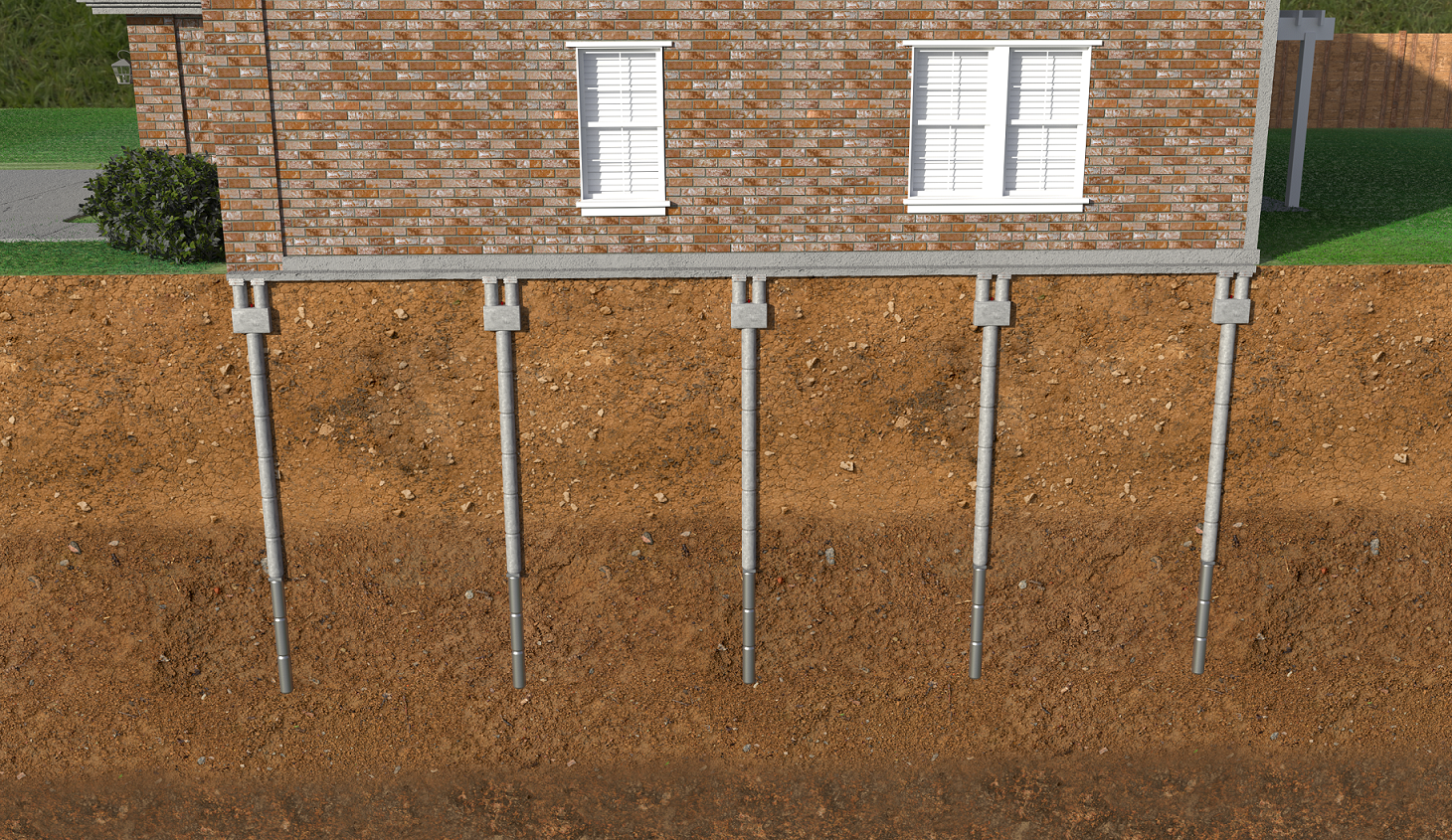
Our Cable Lock ST Plus system is built around a straightforward structural idea: use each material where it performs best, then tie everything together with a continuous cable. During installation, a Certified Structural Technician directs trained technicians as they drive steel and concrete segments in sequence beneath the foundation, following the process described in our Cable Lock ST Plus system overview.
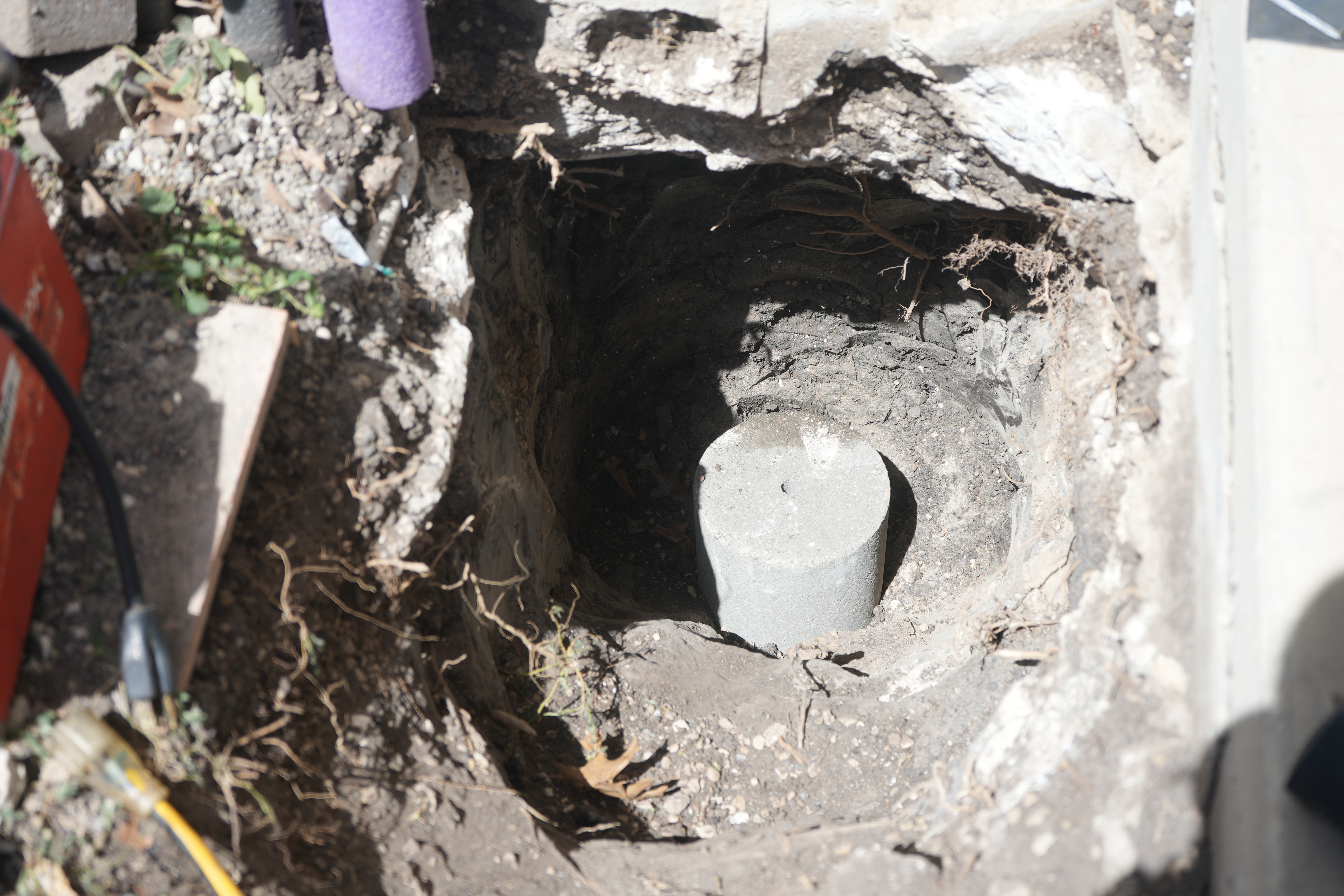
Steel segments are driven first, allowing smaller-diameter sections to penetrate through harder clay and rocky soils into strata that are less affected by seasonal moisture changes. Once the desired depth is reached, concrete sections are added to provide greater bearing area, helping distribute loads over a broader surface and offering components that will not corrode in moisture. The continuous cable locks the system together, helping maintain alignment, providing internal reinforcement, and helping confirm depth as segments are installed.
This hybrid approach represents an evolution beyond older methods such as shallow concrete pads, basic pressed pilings, driven steel piers, or some helical systems, which can involve slower, more invasive installation, corrosion concerns, or less consistent depth contact. By using steel for depth and concrete for bearing, tied together with a cable, we emphasize a balance of depth potential, load distribution, and durability for many Newton homes.
Cable Lock ST Plus Versus Other Foundation Repair Technologies
Across modern underpinning options, each method offers a particular mix of advantages and limitations. Shallow concrete pads were once valued for lower cost and simple installation, yet they typically do not reach stable soil and may be affected by the same movements that caused the original settlement. Drilled piers can improve contact with deeper strata and allow some soil evaluation but often require slower, more invasive work and careful execution.
Driven steel piers may help reach desirable depths more quickly, but steel elements can be susceptible to corrosion and may demand breaking out portions of the footing. Simple pressed pilings provide soil feedback during driving, but unreinforced segments can buckle and may be difficult to place consistently in complex or moisture-affected soils. Some helical pier designs use steel disks along a shaft to increase soil contact yet can still raise questions about corrosion, bracket fit, and depth confirmation.
Our hybrid Cable Lock ST Plus system is professionally designed to address many of these recurring concerns. Steel sections penetrate to deeper soils, while concrete sections increase bearing area for stronger support, and the cable helps keep the system aligned and reinforced, as noted in our discussion of hybrid foundation repair technologies. This approach aims to balance depth verification with reduced property disruption, enabling us to offer an Available Lifetime Warranty on qualifying Cable Lock ST Plus pilings so you have long-term support documentation for the work performed.
Installation Steps and What Newton Homeowners Can Expect
Our installation process for the Cable Lock ST Plus system is structured to be quick, clean, and predictable, recognizing that individual site conditions can influence the exact sequence or duration. As outlined in our Cable Lock ST Plus installation process, we follow a defined series of steps to help support consistent results.
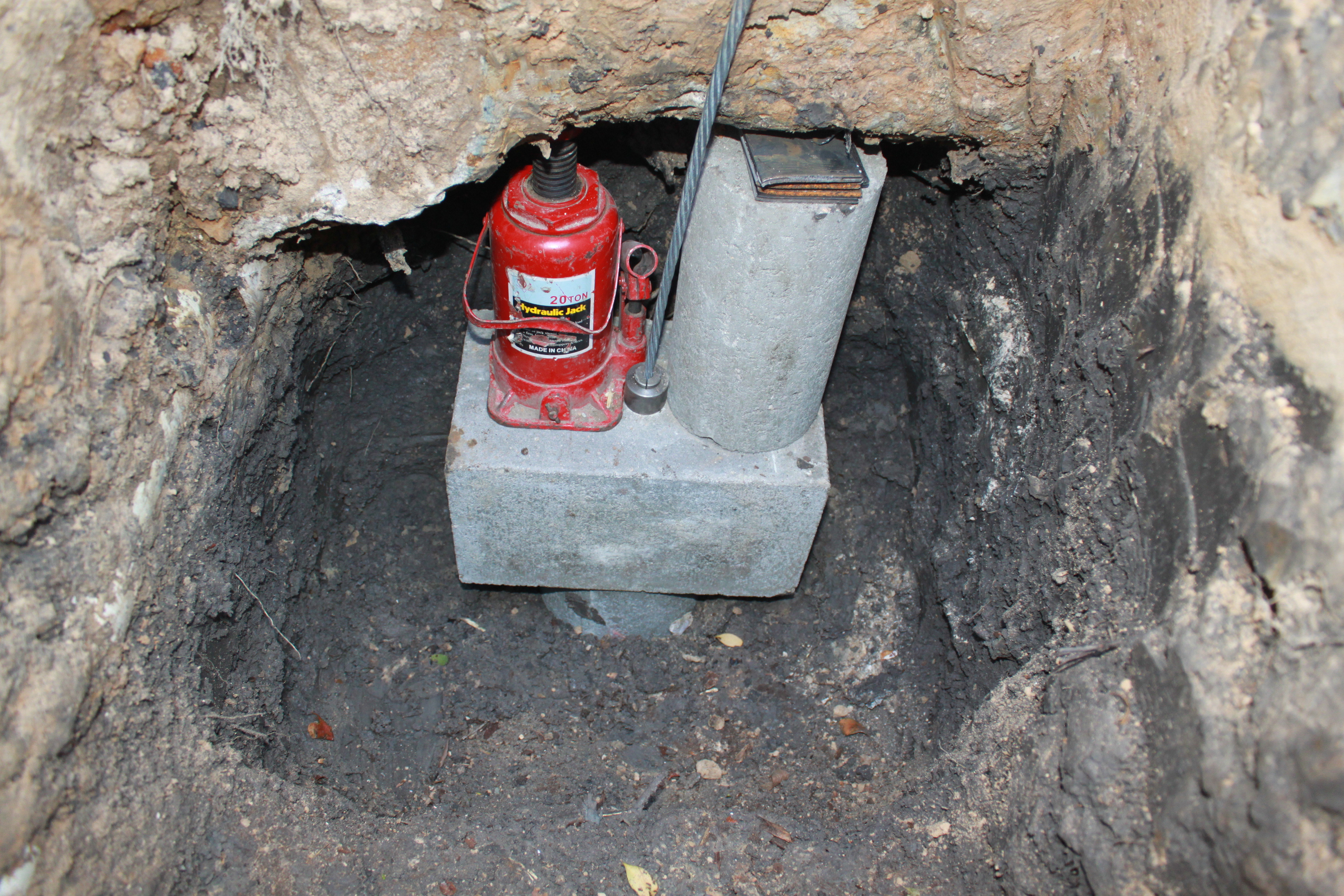
First, a Certified Structural Technician evaluates the structure, existing symptoms, and soil-related factors during a structural assessment to confirm that the hybrid steel-and-concrete system is an appropriate option. Our team then prepares the worksite, creating access points to the foundation while protecting finishes and managing debris so disruption remains limited. Steel segments are driven initially to reach deeper strata, followed by concrete sections that provide greater bearing area; the cable locks these components together as a unified support element.
Trained personnel oversee placement, alignment, and load transfer to help the system support the structure as intended. We complete thorough cleanup so normal use of the property can resume, with no heavy equipment required during installation in most residential settings. Many projects are completed in about one to two days, although timelines can vary based on the number of support locations, access conditions, and weather.
Warranty Coverage, Long-Term Protection, and Documentation
When you choose Cable Lock ST Plus for foundation repair, you are also selecting a clearly defined support structure for future questions or resale conversations. Each Cable Lock ST Plus piling is backed by an Available Lifetime Warranty on qualifying installations, which is designed to support your investment even as soil and moisture conditions around your home continue to evolve. In practical terms, having this warranty documentation can help you demonstrate that specific areas of the foundation are supported by a professionally installed system with long-term coverage provisions.
We want you to understand exactly how this protection applies to your project, so during your structural assessment with our Certified Structural Technician, we review written warranty terms related to the recommended scope, including any conditions, maintenance expectations, or limitations. Because warranty documents may vary by project and jurisdiction, we rely on written agreements rather than general statements, ensuring you can reference the exact terms provided at the time your work is proposed and completed.
Selecting Foundation Repair Professionals and Key Questions to Ask
Selecting a contractor for foundation repair in Newton involves more than comparing line-item prices. You are choosing among foundation repair professionals who may rely on different technologies, processes, and quality controls. Modern foundation repair technologies such as the Cable Lock ST Plus hybrid piling system use steel segments to help reach deeper soils and concrete sections to provide broader bearing support, with the cable helping keep the system aligned and reinforced.
When you meet with any contractor’s representative, you may want to ask which underpinning method is being proposed and why it is appropriate for your soil and structure. Ask how the system confirms contact with deeper soil strata, whether the technician is certified and experienced with slab, crawl space, and basement foundations, and what kind of warranty documentation is available. It can also be helpful to request diagrams, written descriptions of soil conditions, and clear explanations of how the method manages expansive clay soils or changing moisture conditions beneath your home.
By using a consistent question checklist at each estimate, you can compare professional services more objectively and focus on the quality of evaluation, clarity of communication, and suitability of proposed technologies rather than on price alone.
Next Steps for Newton Homeowners Considering Foundation Repair
If you are seeing cracks, sticking doors, sloping floors, or other potential signs of home foundation problems, we encourage you to request a structural assessment. During this visit, a Certified Structural Technician will evaluate visible symptoms, consider soil-related contributors such as seasonal moisture changes or poor drainage, and explain whether foundation repair is recommended at this time, along with alternative monitoring options when appropriate.
If deep support is advisable, you can ask that your written estimate specify use of the Cable Lock ST Plus system so you understand how steel and concrete components would work together beneath your home.
Foundation repair is time-sensitive because untreated issues tend to progress and can trigger secondary damage. By relying on our foundation repair technologies and the Cable Lock ST Plus hybrid system, you can make more informed decisions about timing, scope, and budget. To discuss your situation and request a professional evaluation and estimate, Contact us.