Foundation Repair for Lebanon, TN Homes
Foundation movement, cracks, and settling can feel overwhelming when you are worried about safety and long-term property value. We understand how stressful these home foundation problems can be, so we focus on clear explanations, purpose-built solutions, and straightforward next steps. Our Certified Structural Technician evaluates visible symptoms, soil conditions, and moisture patterns to help determine whether foundation repair may be appropriate and how our hybrid foundation repair system can help support your home over time.
In this guide, we explain how weather and soil conditions around Lebanon affect foundations, outline common warning signs, and describe how our patented technologies for foundation repair work. We also walk through what to expect from a structural assessment, compare different repair approaches, and share foundation maintenance tips that can help reduce the risk of future movement. Our goal is to give you practical information so you can make informed decisions about professional foundation repair services for your home.
Understanding Foundation Repair and Why It Matters
Foundation repair is the process of addressing movement, cracking, or settlement in the structure that supports a home. When soil around a foundation shrinks, swells, or becomes saturated, stress can cause the structure to move and crack. As these changes progress, they may lead to sticking doors and windows, cracked or sloping floors, damaged walls, and even issues with plumbing, gas, or electrical lines. Left unaddressed, these conditions tend to worsen over time rather than improve on their own.
We use a detailed structural assessment to study how soil conditions, drainage, seasonal moisture swings, tree roots, or under-slab leaks may be affecting stability. A Certified Structural Technician documents symptoms and explains how appropriate foundation repair methods can help support the home and reduce the risk of further damage. Many of our solutions are supported by an available lifetime warranty, which provides added confidence as site conditions continue to change.
Common Home Foundation Problems and Their Causes
We often see several recurring home foundation problems in and around Lebanon, including visible cracks, settling, sloping floors, wet basements, and crawl space moisture or movement. Our first step as a Certified Structural Technician team is to connect these symptoms back to specific soil and moisture conditions beneath the structure. By identifying how and where movement is occurring, we can recommend foundation repair technologies that are better aligned with the way your home is reacting to local conditions.
The most common underlying causes include seasonal weather changes that drive clay soils to expand and contract, poor drainage that allows water to pond near the perimeter, tree roots that remove moisture unevenly, and under-slab plumbing leaks that create localized heaving. When these factors combine, they can create differential settlement, cracks, and changes in floor slope that signal the need for a closer evaluation. Many of the professional foundation repair services we provide are supported by an available lifetime warranty to help address ongoing soil changes.
How Weather and Soil Conditions Impact Foundations
Seasonal weather changes create a constantly shifting support system beneath foundations in Lebanon. During wet periods, clay soils around the home absorb moisture and expand, while in dry spells they contract. Over time, this repeating wet and dry cycle produces a moving, uneven soil bed that can weaken support and allow portions of the foundation to settle, tilt, or crack. The most active weather-affected soil zone is near the surface, where moisture swings are greatest, so shallow supports tend to be more vulnerable to movement.
Our Certified Structural Technician evaluates seasonal patterns such as new cracks, widening existing cracks, changes in floor slope, or doors and windows that start sticking after particularly wet or dry seasons. When these shifts reveal new or worsening symptoms, we may recommend foundation repair solutions that extend support deeper below the weather-affected zone. We discuss how factors such as expansive clay, poor drainage, and under-slab leaks can contribute to movement, drawing on our understanding of foundation problem causes to help explain what you are seeing.
Signs to Watch for and Consequences of Ignoring Problems
Early warning signs on the surface often reflect movement occurring below. Homeowners should pay attention to cracks in interior walls and ceilings, gaps at trim, and poorly fitting molding or cabinets, because these can indicate that portions of the structure are no longer moving uniformly. Sticking doors and windows or hardware that suddenly becomes hard to latch may signal distortion of wall framing as the foundation shifts.
Changes underfoot matter as well. Cracked or sloping floors can develop as soil conditions cause parts of the foundation to move, while related damage to insulation and interior walls may appear as stresses are redistributed. When movement affects areas beneath the structure, damage to underground plumbing, gas lines, or water lines may occur, increasing risk and complexity. Recognizing these warning signs early and seeking a professional structural assessment can help reduce the chance that minor home foundation problems grow into larger, more disruptive issues.
The Role of a Professional Structural Assessment
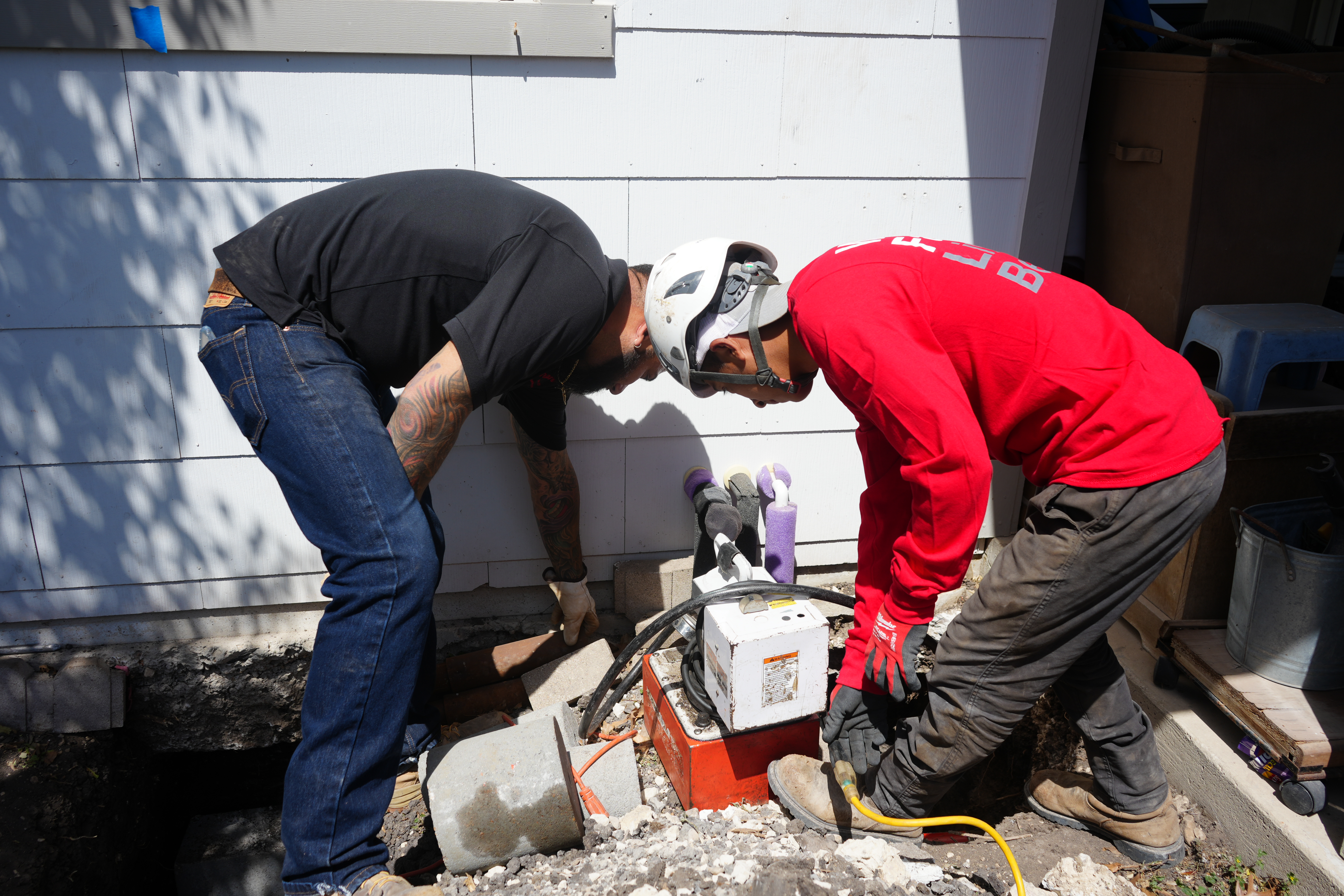
A professional structural assessment is the starting point for any effective foundation repair plan because movement in Lebanon often arises from overlapping soil and moisture conditions. During a free, no-obligation visit, our Certified Structural Technician performs a detailed visual review of accessible interior and exterior areas, looking for patterns in cracks, sloping or uneven floors, gaps at trim, and doors or windows that do not operate properly.
These surface symptoms are evaluated alongside contributors such as seasonal soil expansion and contraction, drainage concerns, expansive clays, tree root activity, or under-slab plumbing leaks. After gathering this information, we explain what the observed conditions may indicate and outline whether underpinning methods, such as deep hybrid or piling systems, may help support the structure by reaching more stable soil strata. This careful diagnostic approach helps align recommendations with site conditions so homeowners receive a repair plan tailored to the way their foundation is actually moving.
Patented Technologies and Award-Winning Expertise
We rely on patented technologies for foundation repair to help address a wide range of home foundation problems that develop as soils expand, contract, and shift around homes in Lebanon. Our systems, including the Cable Lock™ ST Plus hybrid foundation repair system, are professionally designed to combine the depth advantages of steel with the bearing strength of concrete so support components can reach more stable strata and distribute loads more effectively.
Our hybrid piling approach grew out of decades of experience with earlier methods, building on lessons learned from concrete pads, drilled piers, and steel piles. Your first point of contact is a Certified Structural Technician trained to match symptoms such as cracking, sloping floors, or sticking doors with appropriate foundation repair technologies. Many of these patented systems qualify as award-winning foundation repair options and are supported by available lifetime warranty coverage, which can help homeowners feel more confident about future soil movement and potential resale discussions.
How the Hybrid Foundation Repair System Works
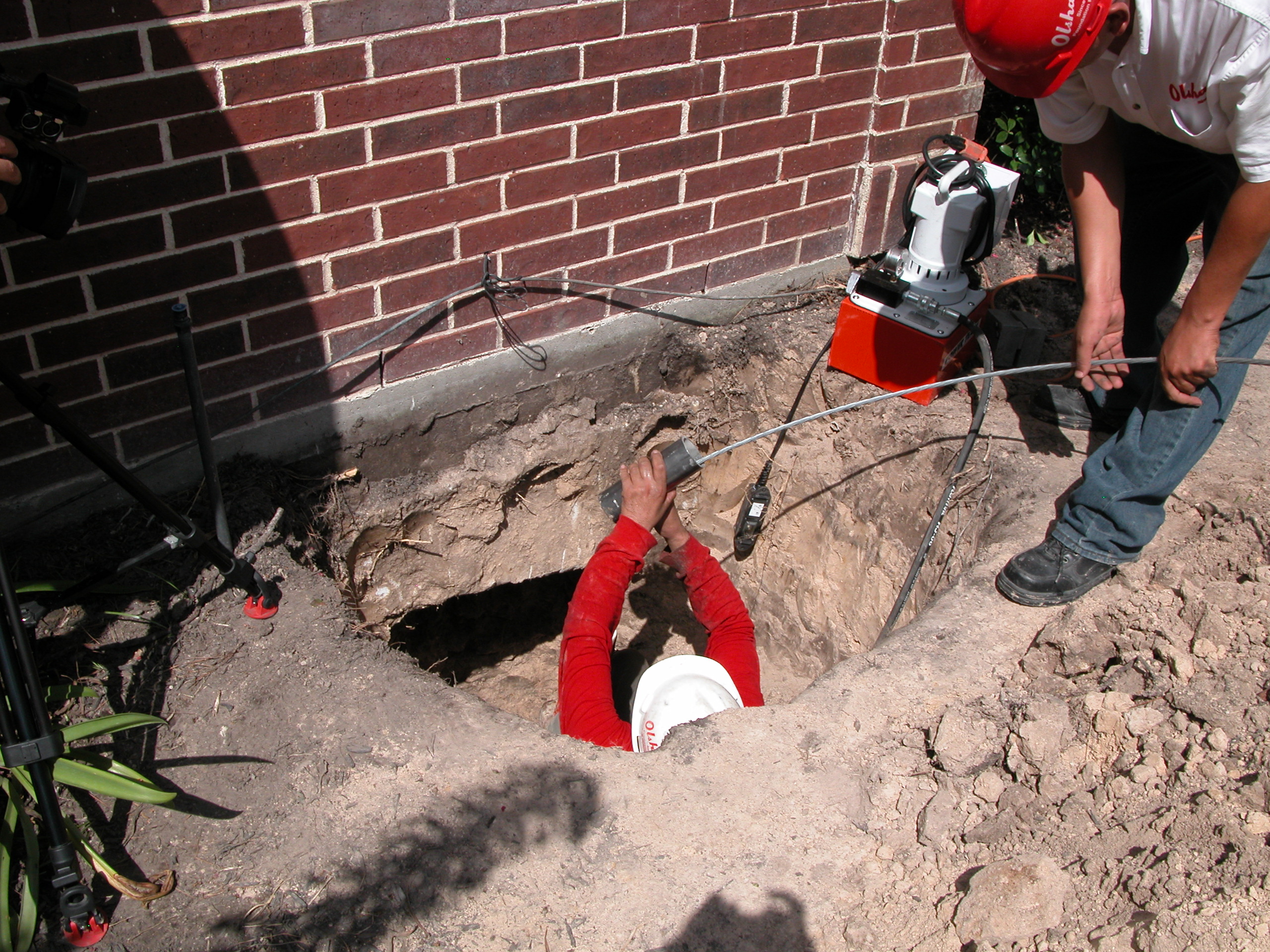
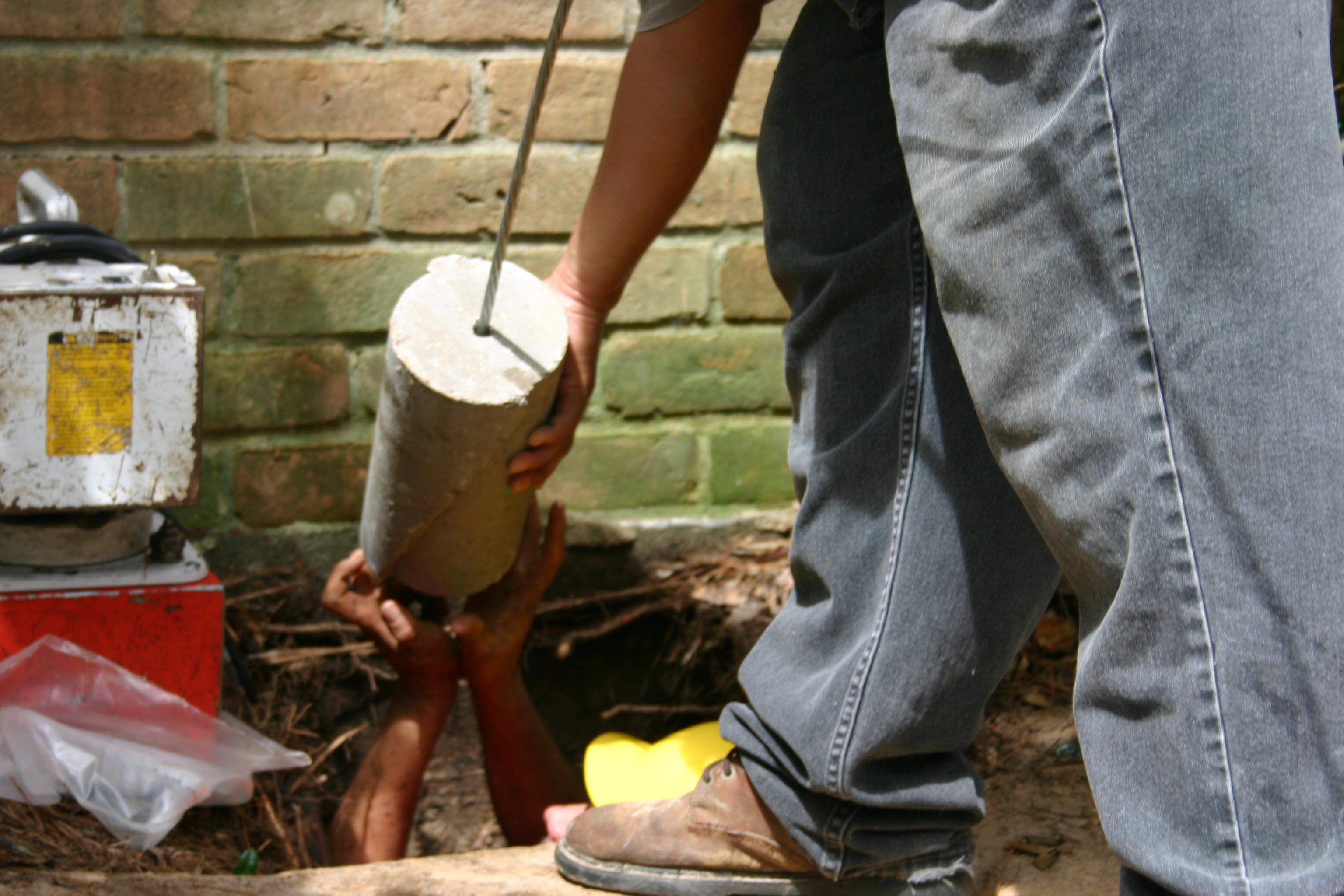
Our Cable Lock™ ST Plus hybrid foundation repair system is designed to bring together the depth advantages of steel with the bearing strength of concrete in a single, integrated piling. During installation, our technician directs the placement of smaller-diameter steel segments first, allowing the piling to penetrate deeper strata below the weather-affected soil zone.
Above these, larger-diameter concrete cylinders are added to provide increased surface area, which helps distribute loads over a broader bearing area for improved support. A high-strength cable runs through the assembly to lock the steel and concrete sections together so the system acts as a unified hybrid piling rather than separate components. This approach draws on the principles of our hybrid piling system and is supported by installation practices refined through the dedicated Cable Lock™ ST Plus process.
Comparing Foundation Repair Methods and Choosing Solutions
Each underpinning method offers distinct trade-offs that our technicians evaluate carefully. Shallow concrete pads may appear economical but rest within weather-affected soils, so they can remain vulnerable to the same movement that created the original problem. Drilled piers reach deeper strata and allow soil evaluation, yet installation is slower, more invasive, and highly dependent on installer precision.
Driven steel piers can reach depth efficiently and be load tested, but steel segments may corrode and often require portions of the footing to be removed. Simple pressed pilings allow load calculations and soil feedback during driving, but unreinforced segments can buckle and may be difficult to place in complex soils. Helical piers provide tension and compression support with customizable configurations, while higher cost, depth confirmation, and potential corrosion remain considerations. Our hybrid foundation repair system combines deeper-penetrating steel with higher bearing-area concrete in one assembly, helping contact more stable soils while supporting loads efficiently.
Professional Foundation Repair Services and Monitoring Options
When homeowners in Lebanon reach out about movement or cracking, a Certified Structural Technician starts with a free, no-obligation structural assessment. We visually review accessible areas, consider likely soil and moisture contributors, and determine whether conditions suggest settlement that may benefit from underpinning with our hybrid system. After the assessment, we walk through a recommended solution, explain why hybrid pilings may help support the structure more effectively than older methods, and outline convenient payment plans before any work begins.
During installation, we drive steel segments to help reach more stable soil and add concrete sections to provide greater bearing area, helping support the foundation while keeping disruption to the site relatively contained. Many of these professional foundation repair services include available lifetime warranty protection. To help track conditions over time, we may recommend a foundation monitoring system so homeowners can follow how their structures respond as weather and soil conditions continue to change.
Foundation Maintenance Tips and Cost Considerations
Effective foundation maintenance in Lebanon starts with managing the soil around the home. Changing moisture levels in clay can cause expansion and contraction, which may lead to movement, settling, and cracking. To help reduce this risk, we often recommend improving drainage so water does not pond near the structure. Downspouts should direct roof runoff away from the perimeter to avoid saturating soils, while grading should discourage water from flowing back toward the home.
Monitoring nearby trees is also important, since roots can draw significant moisture from the soil and contribute to uneven conditions. Under-slab plumbing leaks can introduce excess water beneath part of the foundation, so visible or suspected leaks should be addressed promptly. When homeowners are planning for potential project budgets, our team explains how factors such as soil type, access, and the number of pilings influence long-term value and warranty coverage. If you are seeing warning signs such as cracks, sticking doors, or sloping floors, we can provide a free structural assessment to explain options and discuss how our patented technologies for foundation repair may help support your home for the long term. Contact us, to protect your investment and gain peace of mind by scheduling a professional evaluation today.