Foundation Repair for La Vergne, TN Homes
We focus on helping homeowners in La Vergne understand foundation repair options that support long-term stability, proactive monitoring, and informed decision-making. Our goal is to explain how soil movement, drainage issues, and under-slab leaks can contribute to home foundation problems, and how our purpose-built systems can help manage those conditions over time. By combining structural evaluations, advanced underpinning technology, and continuous monitoring, we work to support both the structure and your peace of mind while respecting your home and budget.
In the sections below, we walk through common causes of foundation settlement, early warning signs you can watch for, and how our Certified Structural Technician recommends solutions. We also describe how the Cable Lock™ ST Plus System and ORLY foundation monitoring work together, outline typical cost drivers, and review available warranty and payment plan options. This information is based solely on our documented services and is intended to help you ask the right questions and choose a repair and monitoring path that aligns with your priorities.
Understanding Foundation Repair and Why It Matters
Foundation repair in residential properties centers on addressing movement and distress related to changing soil conditions beneath the structure. Around a home in La Vergne, clay soils may expand when wet and contract when dry, while poor drainage can leave the ground saturated and vulnerable to movement. Tree roots or under-slab plumbing leaks can change moisture levels as well, contributing to home foundation problems such as settling and cracking that tend to worsen when left alone over time. As movement increases, homeowners may notice damage to underground plumbing, structural and cosmetic finishes, cracked or sloping floors, sticking doors and windows, and a loss of property value.
Addressing concerns early gives our Certified Structural Technician an opportunity to help manage issues before they become more complex or disruptive. Our experience aligns with published guidance that repeated wet and dry cycles, combined with poor drainage, are major causes of foundation distress in many homes, which is why we emphasize informed assessments and timely action based on observed conditions rather than guesswork about common causes of foundation problems. When we recommend a repair plan, we explain how each step relates to the symptoms you see and the underlying soil behavior we expect. Many solutions are supported by an available lifetime warranty, reflecting our commitment to long-term service as site conditions continue to change.
Common Causes of Foundation Settlement Around La Vergne Homes
Foundation settlement in La Vergne often begins with changes in soil moisture. Seasonal cycles of dry and wet weather cause soils beneath the foundation to expand and contract repeatedly, which can gradually weaken support and allow portions of the structure to settle and crack. Poor drainage increases stress when standing water, overflowing downspouts, or negatively sloped grading saturate soils and contribute to uneven support. Over time, this pattern may result in differential movement that shows up as visible distress inside and outside the home.
Expansive clay soils shrink as they dry and swell as they absorb moisture, so areas under different moisture conditions may move at different rates. Large trees and dense landscaping can draw significant water from soils beneath or near the foundation, drying some zones more than others. Under-slab plumbing leaks introduce concentrated moisture that may cause localized heaving or disturb slab stability. Left unaddressed, these conditions can progress into wider structural concerns and more involved repair needs. Our technicians focus on understanding how these forces interact at your property so we can recommend a plan that supports structural integrity and helps reduce future movement risk.
How to Spot Early Home Foundation Problems
Early home foundation problems often show up as visible symptoms inside the living space or around the exterior. Interior wall and ceiling cracks, especially those radiating from corners or running along seams, can indicate that portions of the structure are moving as soils shrink, swell, or lose support beneath the foundation. Cracked or sloping floors develop when changing moisture conditions weaken support so one area settles differently than another. This same movement can make doors and windows stick, cause moldings to pull away, and lead to cabinets or counters that sit out of level.
In basements and crawl spaces, signs of moisture or leaks may reflect drainage issues or plumbing leaks that change soil moisture, increasing movement risk over time. We encourage homeowners to document symptoms with dated photos, pay attention to changes in crack width or floor slope, and reach out for a professional evaluation when concerns arise. During our visit, our Certified Structural Technician studies how these symptoms fit together and compares them with known soil and moisture patterns to help determine whether you are seeing normal seasonal behavior or signs of ongoing structural distress that may require repair.
Why Timely Structural Assessments Support Better Outcomes
Timely structural assessments help us understand how soil movement, drainage issues, under-slab leaks, and other conditions are affecting your home before damage progresses. During a free, no-obligation evaluation, our Certified Structural Technician reviews visible symptoms such as cracks, sloping floors, sticking doors and windows, and any evidence of settlement, then relates these observations to expected soil and moisture behaviors around similar foundations. Using established industry guidance about what constitutes a foundation problem, we distinguish between normal seasonal movement and patterns that suggest ongoing structural distress that could benefit from underpinning or other repairs.
This structured diagnostic approach allows us to recommend a path in La Vergne that may range from a more comprehensive underpinning layout to a focused solution aimed at a localized concern. We explain our findings in plain language, review a drawing of proposed support locations when applicable, and discuss how each element of the plan is intended to help manage movement. Many solutions are supported by an available lifetime warranty, and our written estimates reflect over 90 years of experience developing purpose-built foundation repair technologies that are intended to support structural stability rather than simply address symptoms on the surface through modern foundation repair practices.
How the Cable Lock ST Plus System Helps Support Foundations
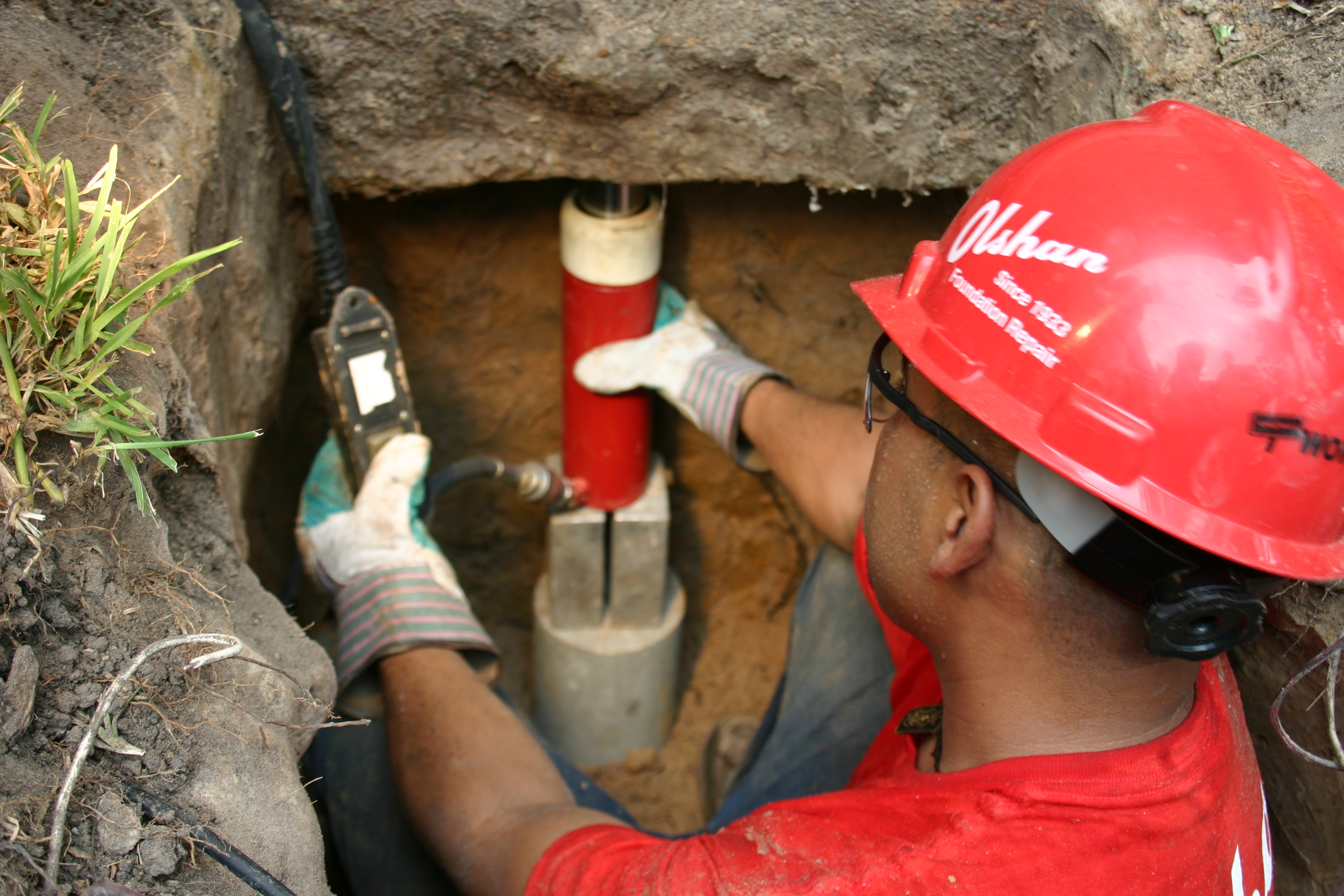
The Cable Lock™ ST Plus System is a proprietary hybrid piling solution that helps support foundations by combining steel depth, concrete bearing area, and a continuous cable in a single configuration. Our Certified Structural Technician evaluates soil conditions and layout, then specifies starter segments that are pressed into the ground at predetermined locations along the footing. Smaller-diameter steel sections are threaded onto the cable and driven until they reach strata less affected by seasonal moisture, helping us connect to more stable soils than shallow pads or simple unreinforced pilings can typically reach.
Once target depth and driving pressure are achieved, we install a hybrid transition piece followed by larger concrete cylinders on the same cable. These concrete sections provide broader surface area for support and resist moisture-related corrosion, while the internal cable helps maintain alignment, confirm depth, and add reinforcement. By combining steel and concrete components, this hybrid design addresses several weaknesses associated with legacy options, and has been professionally designed to support consistent contact with stable soil while limiting disturbance around the home. Many of these installations qualify for available lifetime warranty coverage, which we review during your estimate.
Comparing Key Foundation Repair Technologies and Methods
When we compare various foundation repair technologies, each underpinning method reflects a different balance of depth, reliability, and disruption. Shallow concrete pads may appear economical, but they do not reach stable soil and remain exposed to the same movement that affected the original footing. Drilled piers can reach more stable strata and allow soil observation, yet installation is slower, more invasive, and highly dependent on precise field execution. Driven steel piers install more quickly and can often be load-tested, but exposed steel elements may be more vulnerable to corrosion and typically require cutting into the footer.
Simple pressed pilings allow load calculations during driving, though unreinforced segments may buckle or perform inconsistently in complex or highly weather-affected soils. Helical piers support both tension and compression loads without concrete, but they can be costly and depth verification may be more challenging. In contrast, our hybrid approach with cable-supported steel and concrete segments is intended to capture the benefits of both materials while reducing certain tradeoffs found in single-material systems through our hybrid piling configuration. We review these differences during your consultation so you understand why a particular method is being recommended for your La Vergne home.
The Cable Lock™ ST Plus Installation Process Step by Step
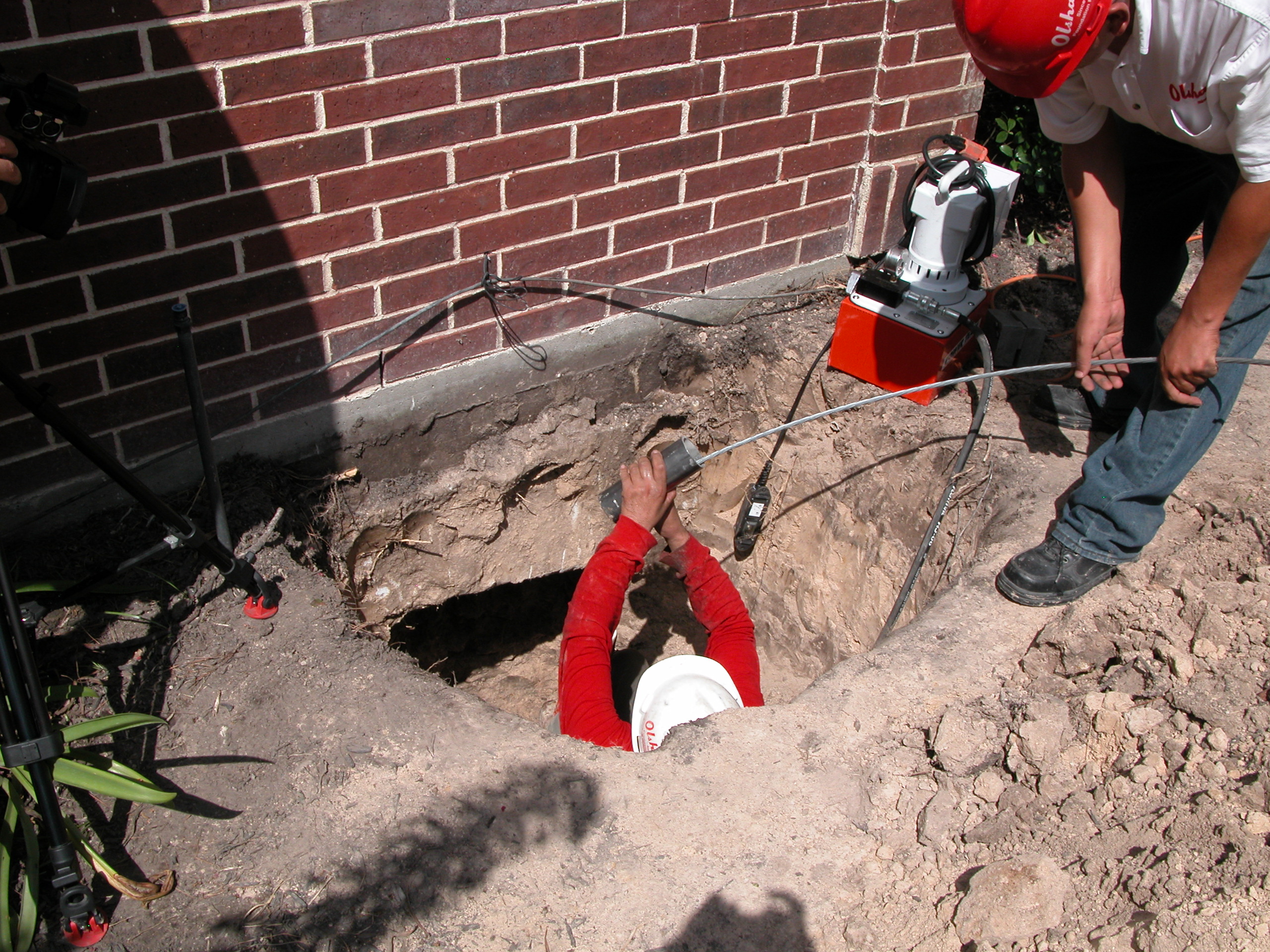
For homeowners in La Vergne, the Cable Lock™ ST Plus foundation repair workflow begins when our Certified Structural Technician identifies precise piling locations and we carefully prepare each work area. We relocate plants when possible, create access holes along the footing, and place heavy plywood covers over each opening to support safety and help reduce disruption. Once access is ready, we press starter segments into the soil, then thread interlocking steel sections onto the cable and drive them to depth based on soil resistance at each location.
After we achieve the necessary depth, we install the transition piece and drive concrete cylinders along the same cable to the point of refusal. A pile cap is placed on the final cylinder, and the system is locked together so it can help support the structure as adjustments are made. Our technicians monitor structural reactions closely as we apply lift where appropriate, and we communicate progress throughout the process. Afterward, we backfill, patch any surface breakthroughs in slabs or flatwork, restore plants as conditions allow, and clean the work area to leave your property orderly following our installation sequence. Many projects are completed within a relatively short timeframe, depending on site access and layout.
Approaches to Cracked Foundation Repair and Long-Term Benefits
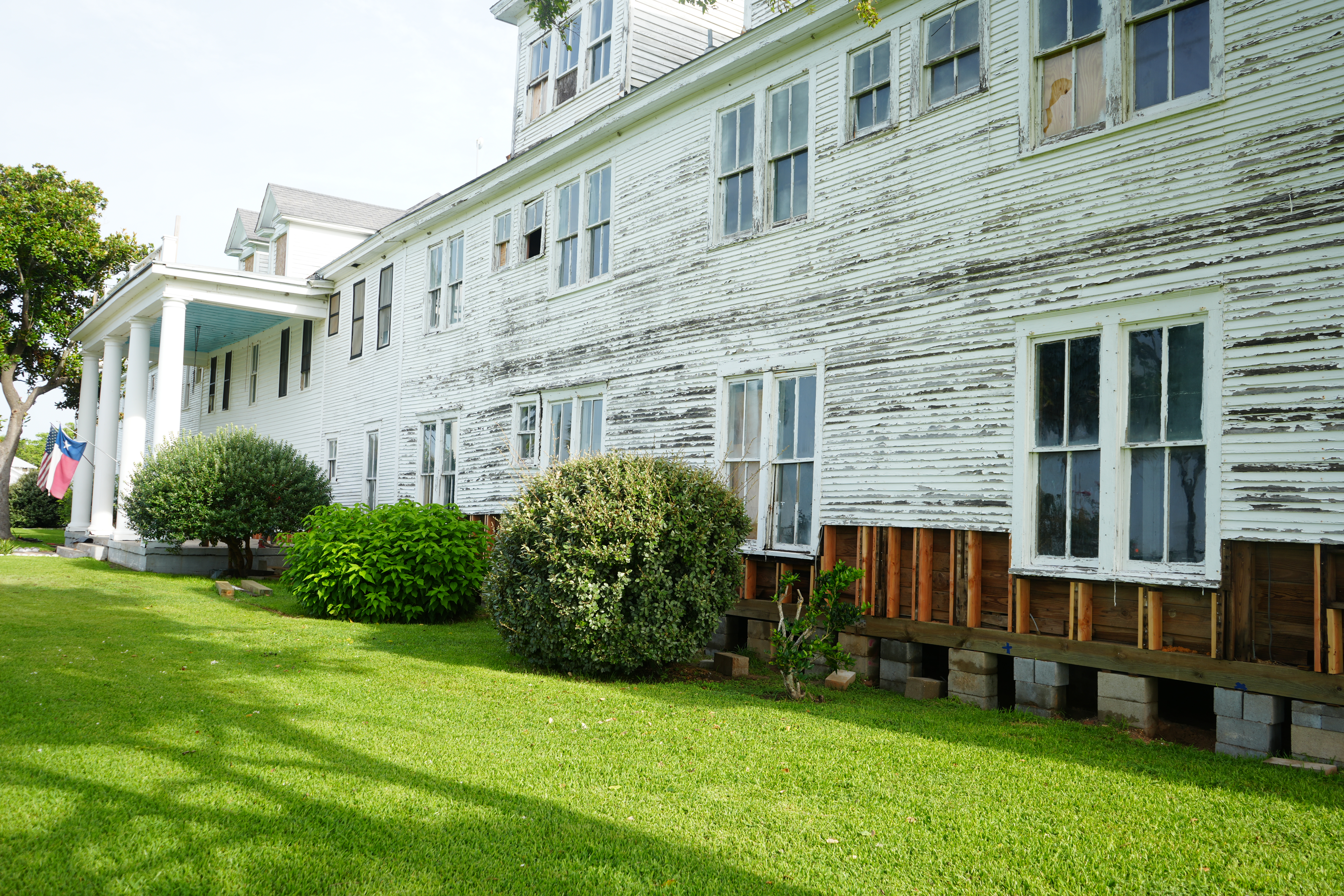
With cracked foundation repair, we concentrate on helping manage movement that contributes to visible cracking and related symptoms. Our Certified Structural Technician evaluates how soil changes, drainage patterns, plumbing leaks, and tree roots may be influencing settlement, then may recommend underpinning with our hybrid piling configuration when appropriate. By driving interlocking steel and concrete segments to supportive strata and locking them together with a continuous cable, the system is intended to help support the structure so cracks can tighten, sticking doors and windows may improve, and sloping floors can be better managed over time.
Our approach emphasizes a process that is orderly and guided by trained personnel who monitor structural reactions carefully as adjustments are made. Many of these solutions are supported by available lifetime warranty coverage tied to the specific areas underpinned under our foundation repair warranty terms. We also emphasize ongoing attention to drainage, plumbing maintenance, and soil moisture management so the home continues to benefit from the support provided by the underpinning system and additional movement risk is reduced where possible.
Foundation Monitoring Systems and ORLY Technology
With our ORLY technology, we use foundation monitoring systems to watch for subtle foundation movement around the clock. Sensors collect data at regular intervals and send information to a homeowner-facing app that provides updates and alerts when readings change beyond defined thresholds. Our certified technicians also review this information, offering guidance when trends suggest that soil or structural conditions may be shifting in ways that deserve attention. This approach is intended to support proactive decisions rather than reactive repairs.
When ORLY identifies concerning patterns, our team may recommend early interventions such as improving drainage, adjusting watering practices during dry periods, or scheduling a follow-up structural evaluation to see whether additional support might be helpful. This continuous monitoring supports four key goals drawn from our guidance: responding to rising repair costs linked to extreme weather, acknowledging that many homes will eventually experience some degree of foundation movement, reducing the added expense that comes from delayed repairs, and catching hidden issues as early as possible. While subscription or pricing details for La Vergne are not provided in the source material, our local office can walk you through current options.
Costs, Warranties, Payment Plans, and Getting Started
Exact local pricing cannot be listed here because it depends on site-specific conditions. Key drivers of cost include how far portions of the structure have settled, the type and behavior of surrounding soils, the selected underpinning method, and whether exterior, interior, or combined support is recommended for your home. Our goal is to provide a clear written estimate that outlines recommended work, anticipated timeframes, and how the plan is intended to help manage existing and future movement.
Many solutions are supported by an available lifetime warranty that can, in most cases, be transferred to a new owner when requirements are met, such as completing a transfer form, paying the transfer fee, and providing the original contract, repair drawing, and warranty documents within stated timelines. We also offer payment plans that may help make foundation repair more manageable within your budget. The best next steps are to schedule a free structural evaluation with a Certified Structural Technician, review your written estimate and repair drawing, confirm warranty and transfer details, and ask about ORLY monitoring options that align with your needs.
Summary and Next Steps for La Vergne Homeowners
Our approach to foundation repair in La Vergne brings together deep experience, hybrid piling technology, and ORLY monitoring to help support homes against ongoing soil movement. By focusing on early recognition of home foundation problems, thoughtful structural assessments, and purpose-built underpinning methods, we work to reduce the risk of escalating damage and unplanned expenses over time. Available lifetime warranty coverage on many solutions and flexible payment plans further support long-term confidence in the repairs.
If you are noticing cracks, sloping floors, sticking doors, or other signs of movement, we encourage you to request a professional evaluation so we can review your specific conditions and discuss practical options. Our team will explain recommended foundation repair technologies, outline expected timelines, and answer questions about monitoring, warranties, and budgeting. Contact us, to begin exploring solutions tailored to your home.