Foundation Repair for Brentwood, TN Homes
We created this updated guide to help homeowners in Brentwood understand common Home Foundation Problems, how changing soils contribute to movement, and how our modern systems such as Cable Lock ST Plus may help support your home. Throughout this page, we walk through typical warning signs, explain how different Concrete Foundations respond to stress, compare Foundation Underpinning Methods, and outline what to expect from a Free Structural Assessment with our team.
Our goal is to share practical information so you can recognize early symptoms, ask informed questions, and decide when it makes sense to have a Certified Structural Technician evaluate your home. We also include a concise Homeowner’s Guide to Foundation Issues so you can track changes over time and decide when professional help may be appropriate.
Understanding Home Foundation Problems
Home Foundation Problems often begin when the soil beneath a structure no longer supports it evenly. According to our overview of common causes of foundation problems, changing moisture conditions, expansive clay soils, poor drainage, tree roots, and under-slab plumbing leaks can cause the foundation to move, settle, or crack. As this movement progresses, everyday nuisances can signal deeper structural stress.
Visible symptoms may include cracks in interior walls, ceilings, or floors; sloping, uneven, or cracked floors; and doors or windows that start to stick. Gaps along molding or between walls and ceilings can also indicate that parts of the structure are shifting relative to others. These signs do not automatically mean severe damage, but they do suggest that the soil and structure are adapting to ongoing changes.
If these conditions are ignored, soil movement and cracking can progress, and the home may experience wider structural and cosmetic damage. This can contribute to issues with underground plumbing, gas and water lines, insulation, and interior finishes. As damage spreads, the property can lose value and restoration can become more complex, so recognizing early symptoms and responding promptly is important.
Contacting a Certified Structural Technician for a professional evaluation may help align appropriate Foundation Repair options with the specific causes at work. Many of our solutions are supported by an Available Lifetime Warranty, which can help reduce the risk of future movement as site conditions continue to change.
How Soil Expansion and Local Conditions Affect Foundations
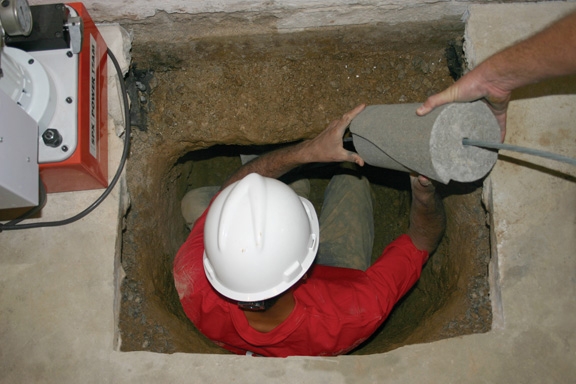
Foundation movement in Brentwood often begins with Soil Expansion beneath the structure. Expansive clay absorbs moisture and swells, then dries and contracts as conditions change, creating a shifting soil bed that can weaken support and allow sections of a slab to move, settle, or crack. Seasonal weather changes intensify this process as alternating dry and wet periods repeatedly load and unload the clay, stressing Concrete Foundations and interior finishes.
Poor drainage further disrupts this balance. Standing water, heavy gutter discharge near the perimeter, or negative grading can saturate soils in localized zones, causing uneven heave. Trees and roots add another variable, as large trees may draw significant moisture from the soil; when roots extend below or near the foundation, localized drying can contribute to differential movement compared with surrounding soils.
Under-slab plumbing leaks concentrate excess moisture in one area, softening or swelling the soil and potentially lifting or disturbing that portion of the slab relative to the rest of the home. Over time, these patterns of wetting and drying may introduce stress that shows up as visible cracking, sloping floors, or changes in how doors and windows operate.
While general principles of Soil Expansion are well documented, our available sources do not provide detailed local geotechnical data specific to Brentwood. Because of this, we focus on broadly observed soil behaviors and use on-site evaluations by a Certified Structural Technician to understand how those patterns might be affecting an individual home.
Types of Concrete Foundations and Their Response to Stress
Concrete Foundations around Brentwood are often built as slabs, crawl space systems, or full basements, and each design responds differently as surrounding clay soils expand, contract, or become saturated. Slab foundations may move and crack when soil dries, shrinks, or becomes unevenly wet due to seasonal weather changes, poor drainage, tree roots, or under-slab plumbing leaks. Over time, this movement can show up as slab settlement, cracked floors, or sticking doors and windows that a technician can evaluate.
Crawl space foundations are particularly sensitive to moisture around and beneath the structure. Standing water, negative surface slope, or leaking plumbing can contribute to wood components sagging and floors becoming uneven. Regular homeowner checks for ponding water near perimeter walls and changes in floor slope can support basic Foundation Maintenance between professional evaluations and help reduce risk.
Basement foundations may be affected by the same soil and drainage conditions, allowing water to enter and exert pressure on foundation walls. Small leaks or hairline cracks may suggest that soils are cycling between overly wet and overly dry. Observing basement walls after heavy rain and noting any changes in existing cracks can support early intervention if a Foundation Repair solution is needed.
Because different foundation designs interact with soil in different ways, accurate diagnosis is important when deciding whether shallow treatments or deeper Foundation Underpinning Methods such as hybrid systems may be appropriate. Drawing on decades of field experience, we have worked on a wide range of slab, crawl space, and basement structures using purpose-built systems that are intended to address each home’s specific needs.
Free Structural Assessment and What Homeowners Can Expect
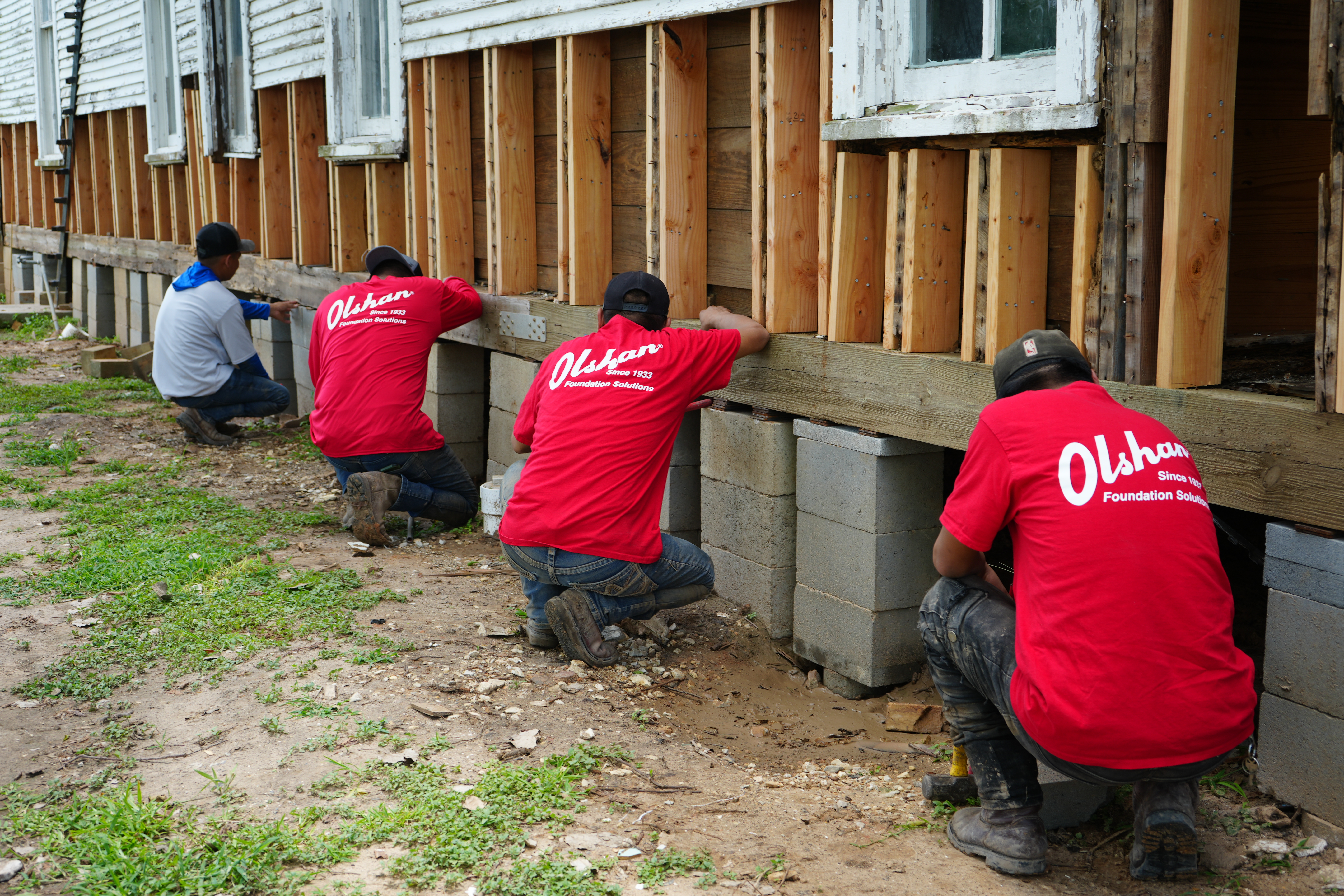
A Free Structural Assessment offers a focused way to understand how soil and moisture conditions may be affecting your home before damage worsens. We start by listening. A Certified Structural Technician reviews any symptoms you have noticed, such as cracks, sloping floors, sticking doors or windows, or signs of plumbing issues that may influence soil movement under the foundation.
During the visit, our technician visually evaluates accessible interior and exterior areas, paying attention to cracks in walls, floors, and ceilings; gaps around trim or cabinets; and changes in floor elevation that might suggest settlement or heave caused by expanding or contracting clays, poor drainage, trees, or under-slab leaks. We relate these observations to likely causes such as seasonal weather changes and localized moisture variations.
Based on these findings, we outline possible Foundation Repair options, which may include modern hybrid systems like Cable Lock ST Plus. This approach is discussed in detail in our overview of the Cable Lock ST Plus foundation repair system, which explains how steel segments and concrete sections are combined to help manage movement in challenging soils.
To prepare for your Free Structural Assessment, it may help to note locations of interior or exterior cracks, list doors or windows that stick, identify rooms where floors feel uneven, and observe any standing water or large nearby trees. Gathering past repair or plumbing records can also help our technician understand how current symptoms fit into your home’s overall history.
Comparing Modern Foundation Underpinning Methods
When reviewing Foundation Underpinning Methods, it helps to understand how each option interacts with the same shifting soils that contributed to the original problem. Shallow concrete pads and simple pressed pilings rest closer to weather-affected zones, so they may remain vulnerable to recurring movement. Our discussion of underpinning approaches in the article on the evolution of foundation repair methods highlights how deeper, more advanced systems developed in response to these limitations.
Drilled piers and driven steel piers are designed to reach deeper, more stable layers, and can offer improved performance compared with many shallow solutions. However, installation methods, required equipment, and ongoing access needs can vary. Helical piers engage surrounding soils with helical plates and may provide both tension and compression support, but depth and bracket fit must be carefully considered.
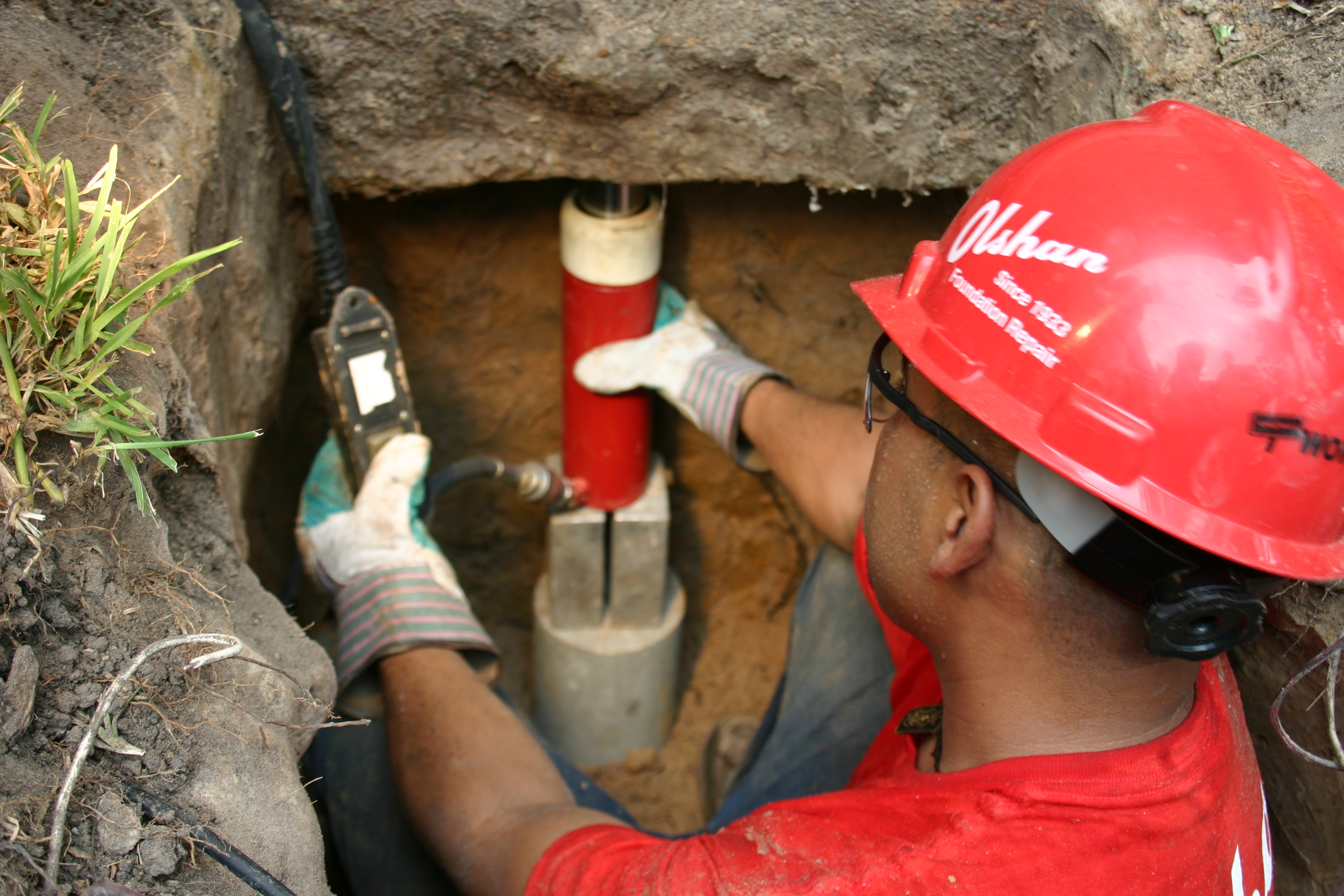
Hybrid systems like Cable Lock ST Plus combine concrete sections for bearing area with penetrating steel segments for depth. A specially designed cable connects these elements, creating a composite piling that aims to support alignment and rigidity under load. By targeting more stable strata while managing surface disruption, this approach seeks to balance performance, installation efficiency, and long-term serviceability.
Because no single system is ideal for every structure, our technicians evaluate existing conditions, soil behavior, and access constraints before recommending specific strategies. This tailored approach allows us to select methods that are purpose-built for the home rather than relying on a one-size-fits-all solution.
How Cable Lock ST Plus Helps Manage Movement
The Cable Lock ST Plus Hybrid Foundation Repair System is designed to help manage foundation movement by combining three components into one unified support. Our Certified Structural Technician directs the installation of concrete pilings to create a broad bearing area that helps distribute loads into supporting soils. Penetrating steel pilings are then driven to greater depth, helping reach more stable zones beneath weather-affected layers.
A specially designed cable is used to lock the concrete and steel segments together, forming a hybrid piling that supports rigidity and alignment under load. As described in our dedicated page on the Cable Lock ST Plus system features, this configuration is planned to be corrosion-resistant, installed with relatively high speed compared with many traditional pier methods, and intended to reduce disruption to landscaping and surface finishes.
Many homes may benefit from this hybrid approach because it allows our team to adapt pile depth and spacing to site-specific conditions. While outcomes depend on soil behavior and other variables, combining depth, bearing area, and structural connection helps support the home in a way that responds to the complexities of clay soils and moisture changes.
Common Questions About Cable Lock ST Plus
How durable is the Cable Lock ST Plus system? The combination of concrete sections for bearing area, steel segments for depth, and the locking cable creates a hybrid support intended to provide reliable, corrosion-resistant performance under typical soil movement.
Will installation disrupt my yard or interior? The system is installed using methods that are designed to help limit excavation and surface disturbance compared with many older approaches, which may help preserve landscaping and finished areas.
Can the warranty transfer if the home is sold? We offer an Available Lifetime Warranty on qualifying installations, and coverage may be transferable according to the specific terms provided at the time of service.
How does this differ from simple concrete or steel piers? Traditional solutions often rely solely on either concrete or steel. The Cable Lock ST Plus hybrid design combines the depth advantages of penetrating steel with the bearing benefits of concrete, then connects them with a cable for added rigidity.
Professional Foundation Services and Available Warranty Protection
When we send a Certified Structural Technician to evaluate a home in Brentwood, the assessment draws on decades of field experience and specialized training with modern systems. Our technicians study how seasonal moisture changes, expansive soils, drainage, and plumbing leaks interact with different foundation types, then match those conditions to appropriate options from our service toolbox.
Our Professional Foundation Services also draw on our long history of working with slabs, crawl spaces, and basements, supported by purpose-built technologies such as the Cable Lock ST Plus hybrid piling system. By combining steel segments for depth, concrete sections for bearing area, and a locking cable, this system is designed to contact more stable zones and help reduce the risk of future movement compared with many earlier methods.
Free estimates and convenient payment plans allow homeowners to understand conditions, compare choices, and move forward in measured steps when Foundation Repair is appropriate. Many of our foundation solutions include an Available Lifetime Warranty, offering ongoing coverage that supports peace of mind while recognizing that soil and moisture conditions can continue to change over time.
For a broader view of how our methods have evolved, you can review our discussion of advances in modern foundation repair practices, which explains how innovations like hybrid piles, improved materials, and refined installation techniques developed from earlier generations of shallow supports.
Foundation Maintenance and a Practical Homeowner’s Guide
Effective Foundation Maintenance starts with managing the changing soil around your home. Seasonal cycles of dry and wet weather cause clay soils to expand and contract, which can weaken support and contribute to movement, settling, or cracking. Maintaining appropriate grading and drainage helps reduce prolonged saturation and standing water near the structure while also avoiding extremely dry zones where soil may pull away from the foundation.
Gutter and downspout systems play a direct role in this balance. When large volumes of water are discharged too close to the home, soils can become saturated and lose stability. Redirecting runoff away from the perimeter helps manage these fluctuations so the foundation is less exposed to extremes. Trees and tree roots also influence the soil bed, as large trees can draw significant moisture each day, sometimes leading to uneven moisture levels if roots extend beneath or close to the structure.
Under-slab plumbing leaks introduce another pattern of risk. A leak can concentrate moisture in one area under the slab, creating upward heaving forces or disturbing stability in that section. Because these conditions often develop gradually, a practical Homeowner’s Guide to Foundation Issues emphasizes routine observation for new cracks, changes in floor elevation, or difficulty operating doors and windows as early indicators of movement.
A simple seasonal checklist can support ongoing vigilance. During wetter periods, walk the perimeter to look for ponding, erosion, or water discharge at the base of the structure. In drier seasons, observe soils pulling away from the foundation and note any widening of existing cracks. Inside, watch for patterns such as recurring wall or ceiling cracks, sloping floors, or gaps at trim that may suggest evolving settlement that should be evaluated by a Certified Structural Technician.
Next Steps for Brentwood Homeowners
Foundation movement around Brentwood may continue to develop as soils expand, contract, or become saturated over time. When symptoms such as cracking, floor slope, or changes in how doors and windows operate appear, delaying a professional evaluation can allow conditions to worsen. Taking advantage of a Free Structural Assessment is a practical way to understand what is happening beneath your home and whether Foundation Repair is recommended.
During this visit, a Certified Structural Technician reviews visible conditions, considers likely soil and moisture influences, and explains whether an approach such as the Cable Lock ST Plus Hybrid Foundation Repair System may help support your home on deeper, more stable soils. Where appropriate, we outline available warranty coverage, including our Available Lifetime Warranty on qualifying foundation installations.
To explore your options and discuss your home with our specialists, you can request a Free Structural Assessment at a time that works for you. Protecting your home’s structure starts with understanding its current condition and possible paths forward, and our team is ready to help you evaluate those choices. Contact us