

French Drain Installation for Salina, KS Homes
Managing water around a home in Salina can feel overwhelming when puddles linger, basements feel damp, or lawns stay soggy after every storm. We understand how those issues can affect comfort, property appearance, and long-term foundation behavior. Our goal is to share how professionally designed French Drain Installation and related drainage systems can help support Home and Lawn Safety by guiding water away from sensitive areas and helping improve foundation performance over time. Throughout this page, we explain how our Certified Structural Technician evaluates standing water patterns, soil conditions, and grading, then recommends Water Management Solutions tailored to local properties.
This information focuses on common Foundation Drainage Problems around Salina homes, how Expansive Clay Soils and grading concerns may contribute to those conditions, and how our drainage assessments help identify Cost-Effective Repair Solutions. We also outline what to expect from our Drainage Systems, from initial evaluation through installation and maintenance, so homeowners can make informed decisions about protecting both their foundations and landscapes.
Recognizing Exterior Water Issues Around Salina Homes
Effective French Drain Installation and other Exterior Drainage Solutions start with recognizing patterns that suggest water is not leaving the property as it should. After storms, it helps to note where water lingers instead of soaking in or draining away. When pooling occurs repeatedly near foundations, patios, walks, or driveways, surface grading may be allowing water to flow back toward the structure. That circulation can contribute to basement moisture, crawl space dampness, and shifting soil conditions that may influence foundation performance.
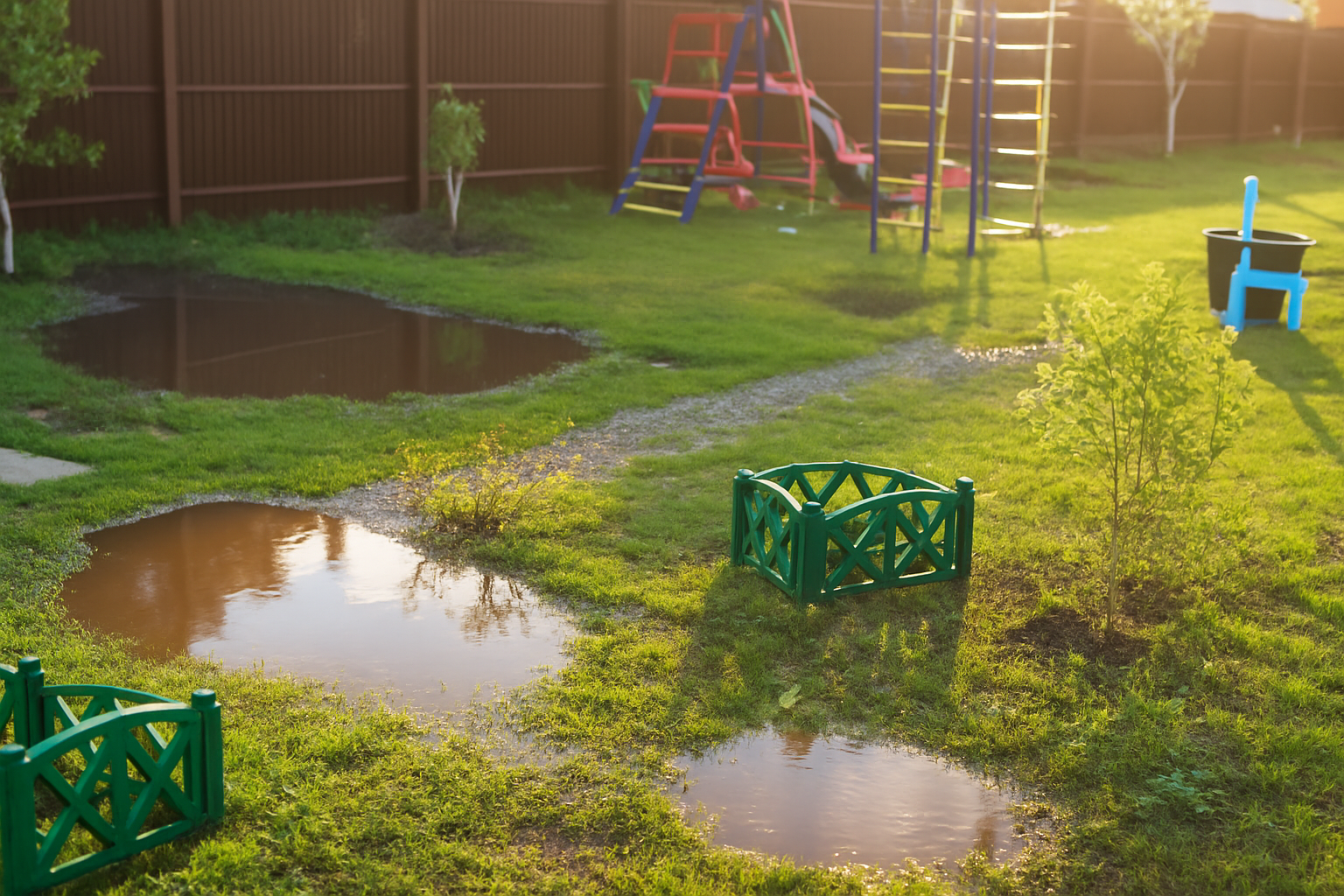
Homeowners in Salina often notice soggy lawns that remain wet long after surrounding grass dries, bare or eroded spots in landscaping, and puddles that attract mosquitoes. Visible mold or discoloration on hardscapes or at the base of exterior walls can also point to water that is collecting instead of leaving the site. These warning signs suggest that existing Drainage Systems are not effectively guiding runoff away from the home.
We encourage homeowners to document these patterns with simple notes or dated photos from several rain events. That record supports a thorough Drainage Assessment and helps our Certified Structural Technician evaluate options for French Drain Installation, surface drains, or other Water Management Solutions that support better water flow and help protect foundations and landscaping.
How Poor Drainage Contributes to Foundation Drainage Problems
Poor surface and subsurface drainage can do more than leave wet spots across the yard. When water repeatedly concentrates along the foundation, it can intensify Foundation Drainage Problems by saturating soils and increasing moisture around basement walls, crawl spaces, and footings. Standing water in low-lying areas or under parts of the structure may raise the chance of leaks developing at the foundation or into below-grade spaces.
As soils take on moisture, they may swell and heave upward; when they dry, they shrink. This ongoing wet–dry cycle can change how support is distributed under a home and may contribute to settlement or movement that shows up as cracks in finishes, uneven floors, and doors or windows that become harder to operate. Homeowners in Salina sometimes notice water collecting near patios or around specific corners of the house after every storm, along with musty odors in basements or crawl spaces that stay damp.
These patterns suggest that existing drainage approaches are not helping manage moisture levels effectively. Professionally designed French Drain Installation and complementary Proper Drainage Techniques can help redirect water away from critical areas, support more consistent soil conditions, and contribute to Improving Foundation Performance over time.
Soil Conditions and Local Factors That Affect Exterior Drainage
Local soil characteristics play a major role in how water interacts with a structure. Where Expansive Clay Soils are present, those clays tend to absorb water quickly, swell, and press against foundations, then contract as they dry. Repeated moisture swings can contribute to settlement, cracks, or moisture concerns in basements and crawl spaces. Around Salina, individual lots can vary, so the actual soil profile at any address must be confirmed during an on-site evaluation.
Consistent moisture control through well-planned French Drain Installation, surface drains, and other Proper Drainage Techniques helps keep soil beneath foundations at a more stable saturation level. That stability supports Improving Foundation Performance and reduces the risk of heave or instability related to changing soil volume. Our Certified Structural Technician performs a site-specific assessment to review soil behavior, topography, and how water flows during storms before suggesting tailored Water Management Solutions.
During these evaluations, we also consider roof size, downspout locations, and existing drainage components that may already be installed. That broader view helps ensure our recommendations for Drainage Systems are coordinated, rather than isolated fixes, so runoff can move more predictably away from the structure and landscaped areas.
Proper Drainage Techniques for Grading and Surface Water Control
Grading around a home is one of the most important Proper Drainage Techniques we consider when addressing Foundation Drainage Problems. According to guidance shared in our foundation drainage standards, surfaces such as patios, walks, and driveways should maintain a consistent slope away from the home to help reduce the chance of water collecting against exterior walls.
We evaluate the final soil grade to see whether it falls away from the foundation over a meaningful distance. A gentle but continuous slope encourages rainfall and snowmelt to move outward rather than back toward the structure, which helps manage erosion and supports more stable soil moisture conditions near footings. When grade has settled flat or slopes inward, we may recommend regrading in combination with French Drain Installation to help reroute water that currently drains toward the home.
These adjustments also support compliance with residential standards that call for drainage around foundations that retain soil and enclose usable below-grade spaces. Our technicians walk the property, visually compare slab or soil height using levels or other tools, and identify areas where adjustments or added Drainage Systems may help manage water more effectively.
How Our Drainage Assessment Supports Custom Plans
During a Drainage Assessment, our Certified Structural Technician focuses on how water interacts with the foundation, soil, and surrounding features. We walk the property to see how runoff currently moves, where it collects, and how close it comes to basements, crawl spaces, and slabs. Our team reviews grading conditions, observes downspout discharge points, and checks for signs that water may be draining toward the structure instead of away.
We also reference best practices from our Exterior Water Management guidance as we consider options for redirecting runoff, including French Drain Installation, surface drains, and downspout extensions. When homeowners in Salina share photos from recent storms or notes about where puddles persist, those details help us match specific Water Management Solutions to each property.
At the end of the Drainage Assessment, we outline a plan that may include grading improvements, new Drainage Systems, or adjustments to existing components. We explain how each recommendation is intended to help manage moisture levels, support Home and Lawn Safety, and contribute to Improving Foundation Performance, while also considering curb appeal and practical access for future maintenance.
Water Management Solutions and Drainage Systems We May Recommend
Once we understand how water behaves on a particular lot, our Certified Structural Technician recommends Water Management Solutions and Drainage Systems that are configured to direct runoff away from the home. French Drain Installation is often combined with other components to help collect and transport both surface and subsurface water. For example, Double Barrel Drains, downspout extensions, and yard drains can gather water from roofs and hardscapes before it reaches perimeter soils.
Surface drains, catch basins, and pop-up emitters can help capture water that would otherwise pond in low spots or near exterior walls, then discharge that water at more suitable locations. Subsurface drainage lines assist in moving water that accumulates along foundations or under slabs, helping reduce the risk of standing water, damp basements, or soil instability beneath the structure.
We design these French Drain Installation layouts and related systems with attention to both function and appearance. Whenever practical, components are routed along property lines, planting beds, or other discreet locations to help preserve curb appeal while still supporting Home and Lawn Safety and long-term foundation behavior.
Designing Cost-Effective Repair Solutions for Salina Properties
Every property presents its own combination of roof layout, lot shape, soil conditions, and existing drainage elements. During our planning process, our Certified Structural Technician looks for Cost-Effective Repair Solutions that align with those conditions while helping manage water more effectively. When visible ponding occurs on patios, lawns, or walks, we may prioritize surface drains, catch basins, or downspout extensions to help intercept water early.
Where water affects soils alongside or beneath the foundation, we often look to subsurface options such as French Drain Installation or perimeter drainage lines that help carry water away from critical support zones. In some cases, a combination of grading adjustments, new drains, and improved discharge points offers a comprehensive approach to reducing Foundation Drainage Problems.
Throughout this process, we discuss how each proposed component works, how it will be installed, and how it fits together with the rest of the system. Our goal is to provide a clear, understandable plan that supports Improving Foundation Performance, protects landscapes, and helps maintain the appearance and usability of outdoor spaces.
Installation Practices and Professional Qualifications
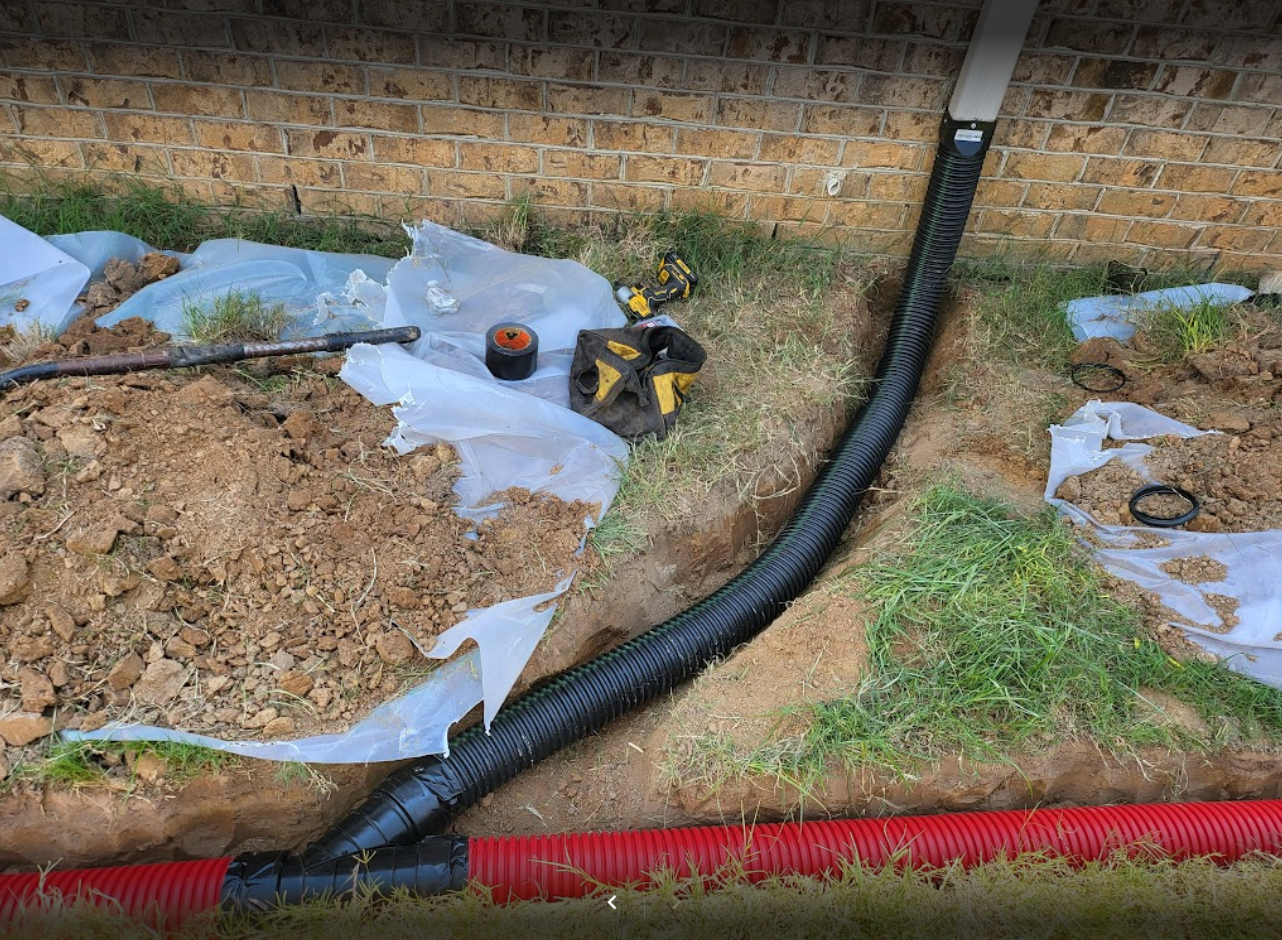
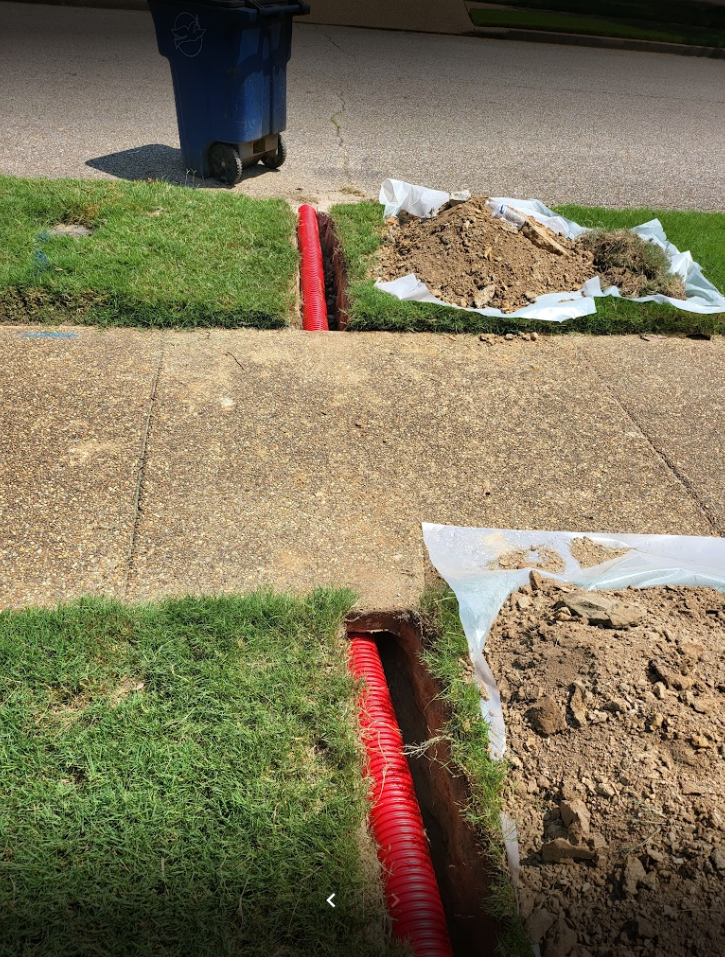
During installation projects in Salina, our Certified Structural Technician leads a process that begins with marking utilities and laying out drain paths in alignment with the custom plan. Our technicians prepare work areas, complete trenching needed for French Drain Installation or other Drainage Systems, and place pipes, gravel, and related components according to design.
Drains are configured to carry water away from the structure and connect to designated discharge points or pop-up emitters, followed by backfilling and final grading to support Proper Drainage Techniques around the home. We emphasize disciplined quality and safety practices from setup through cleanup so the property remains as orderly as practical during work.
Because installation timelines and investments depend on site-specific conditions, we recommend requesting written estimates and schedules during the Drainage Assessment. That transparency helps homeowners in Salina understand how the proposed work supports Home and Lawn Safety, long-term drainage performance, and day-to-day usability of yards and outdoor living areas.
Maintenance Practices and Long-Term Benefits
After a new French Drain Installation or related Drainage Systems are in place, ongoing maintenance helps those systems continue to perform as intended. Our Certified Structural Technician typically recommends periodic checks of downspout connections and pop-up emitters to confirm water is being carried away from the foundation, rather than discharged right next to it.
We advise clearing debris from surface drains and catch basins so leaves, mulch, or soil do not block openings and allow standing water to collect in lawns, planting beds, or near hardscapes. After major storms, it is helpful to observe how water flows and confirm that grading still guides runoff away from the home.
These habits help Drainage Systems maintain more consistent soil moisture conditions, which may reduce the risk of settlement or heave and support Improving Foundation Performance. They can also help lower the likelihood of basement or crawl space moisture concerns and contribute to overall Home and Lawn Safety by keeping outdoor areas more usable and better drained.
Next Steps for Scheduling a Drainage Assessment in Salina
When homeowners in Salina are ready to address standing water, soggy lawns, or recurring moisture around basements and crawl spaces, the first step is to schedule a Drainage Assessment. During this visit, our Certified Structural Technician carefully reviews how water moves across the property, where it tends to collect, and how those patterns may be affecting foundation performance and landscape stability.
We then discuss observations on grading, roof runoff, and existing drainage components, followed by recommendations for French Drain Installation or other Water Management Solutions that can help manage water more effectively. Many of these approaches are designed as Cost-Effective Repair Solutions that take into account both functional needs and appearance.
To prepare for the visit, homeowners may wish to assemble a short checklist that includes the property address, a description of where water collects or enters, and any photos from recent storms that show standing water or erosion. Taking these steps can help us provide a more precise evaluation and a clearer path toward supporting long-term drainage performance and Home and Lawn Safety. To begin that process, Contact us.