

French Drain Installation for Mount Juliet, TN Homes
French drain installation around Mount Juliet homes plays an important role in how we help manage water near foundations, lawns, and landscaping. We focus on purpose-built water management solutions that help move water away from vulnerable areas while remaining mostly hidden, so curb appeal stays front and center. In the sections below, we explain how drainage problems develop, why poor grading and saturated soil may relate to foundation repair needs, and how our Certified Structural Technician evaluates each property before recommending customized drainage systems and related components that help support long-term performance.
Homeowners in Mount Juliet often face a mix of clay soils, landscaping features, and roof runoff patterns that can allow water to linger where it does not belong. We emphasize water management solutions that include carefully configured French drains, surface drains, and downspout extensions that help redirect runoff to controlled discharge points. By understanding how these elements work together, homeowners can make informed decisions about supporting both structural performance and curb appeal while also helping reduce mosquito breeding grounds and other nuisance conditions.
How French Drain Installation Supports Exterior Drainage
When we talk about French drain installation around homes in Mount Juliet, we are describing a planned method for managing how water moves through and across the soil near the foundation. Our Certified Structural Technician evaluates grading, roof runoff, and low-lying areas where water tends to collect, then recommends water management solutions that may include French drains, surface drains, and downspout extensions configured to help move water away from sensitive areas. This evaluation aligns with our broader guidance on water management solutions for foundation drainage that support structural performance and landscape health.
French drains are typically placed below the surface along problem paths where water follows natural slopes or collects in swales. Perforated pipe and drainage stone work together to collect subsurface water and redirect it toward safer discharge points, helping support more consistent soil moisture around the structure. Because these systems are buried, most visible elements are limited to discreet grates or outlet points, so homeowners gain drainage benefits without sacrificing curb appeal. We design each configuration to work with existing landscaping wherever practical around Mount Juliet properties.
Recognizing Drainage Problems Around Mount Juliet Homes
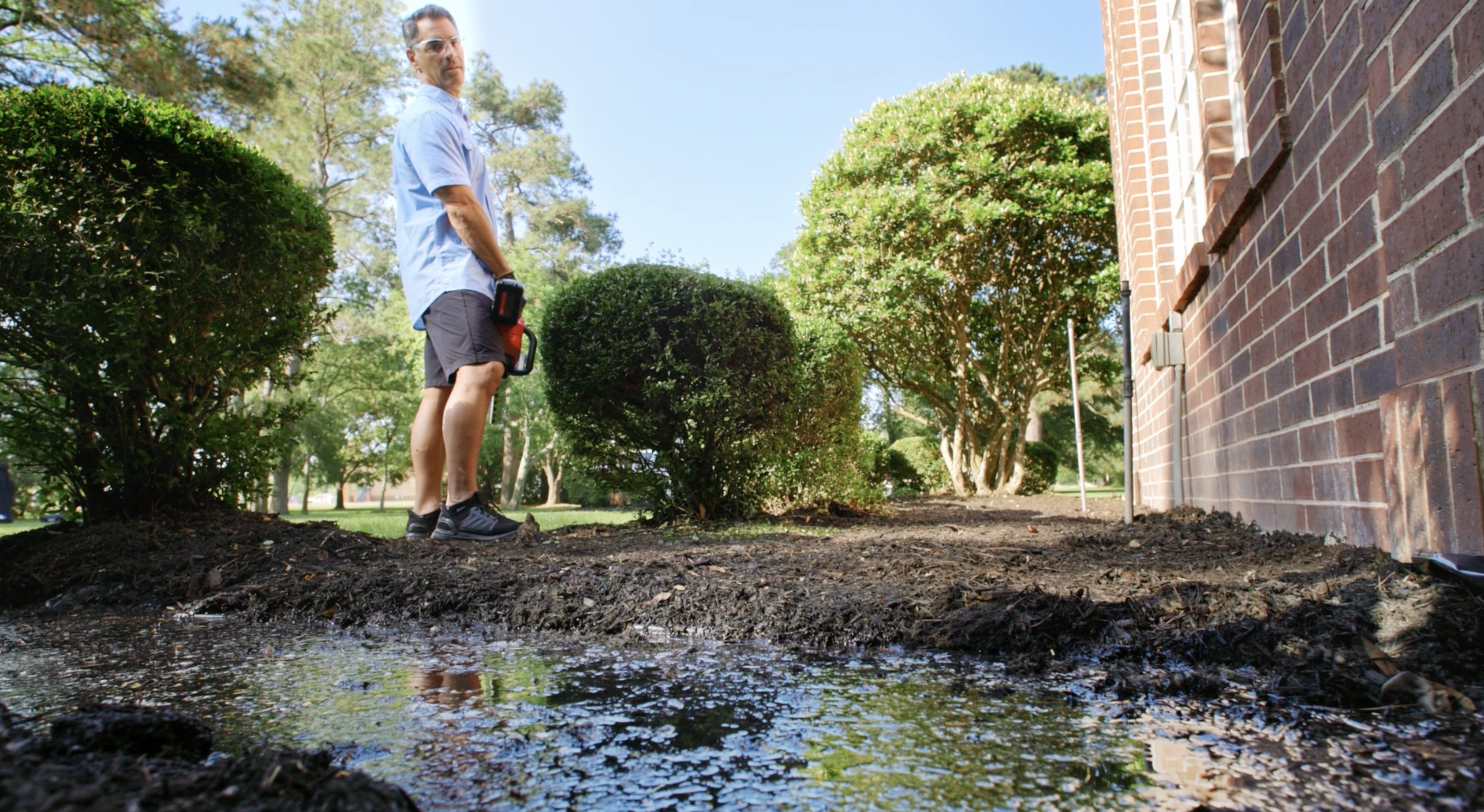
Many drainage problems begin with visible signs after storms, such as standing water that lingers in low spots or near walks and driveways. When water does not drain away within a reasonable period, it can stress turf and ornamental plantings, leave muddy areas where children and pets play, and contribute to erosion that reshapes beds. Over time, these patterns may also indicate that water is moving toward the foundation rather than away from it, which can increase the risk of leaks or foundation movement around Mount Juliet homes.
Persistent puddles near the structure can also create mosquito breeding grounds and support mold growth on nearby surfaces. Inside, homeowners may notice musty odors or damp areas that seem to correlate with heavy rains. By paying attention to these signs and documenting them with photos or notes, homeowners can provide our technicians with helpful context before we complete a detailed drainage evaluation. This collaborative approach supports clear planning for French drain installation and related components tailored to conditions around each property.
How Poor Drainage Relates to Foundation Repair Needs
Poor drainage can play a significant role in the conditions that later relate to foundation repair work. When surface water or roof runoff flows toward the foundation instead of away, the soil along portions of the structure may remain saturated while other areas stay comparatively dry. In locations with expansive clay soils, that moisture imbalance is especially important. Saturated clay tends to absorb water and swell, while drier clay contracts, which can contribute to uneven pressure on the foundation and create movement that homeowners may notice over time.
As wet seasons alternate with dry periods, these cycles of swelling and shrinking may be associated with cracks, interior drywall movement, or changes in how doors and windows operate. By incorporating French drain installation into broader water management solutions, we aim to help maintain more uniform moisture conditions around the structure. This approach supports structural integrity and can complement other measures of drainage and grading concerns related to foundations that affect long-term performance.
What Our Certified Structural Technician Evaluates
During a drainage-focused evaluation in Mount Juliet, our Certified Structural Technician begins by listening to homeowner concerns about standing water, wet basements, or soft spots in the yard. We then observe how water currently moves across the property, including roof runoff patterns, driveway and patio slopes, and the location of existing drains or downspout outlets. This on-site assessment helps us identify where French drains, surface drains, or downspout extensions may provide meaningful improvement to help support better drainage performance.
Our technician also studies soil conditions, paying close attention to low-lying areas, signs of erosion, and indications of saturated expansive clay soils near the foundation. We look for staining on walls, movement in hardscape joints, or recurring dampness in basements and crawl spaces that may be associated with drainage problems. By combining these observations with homeowner documentation, we can outline practical options for French drain installation and related measures that help support both water control and curb appeal.
Coordinating Surface Drains, French Drains, and Downspout Extensions
French drain installation often works best as part of a coordinated system that also includes surface drains, catch basins, and strategically placed downspout extensions. Surface drains and catch basins collect water that pools on lawns, patios, and walkways, then route it into piping that discharges at controlled locations. These components are particularly useful where water collects quickly during storms and needs a clear pathway away from the structure and landscaped areas around Mount Juliet homes.
French drains focus on water moving through the soil profile, helping intercept and redirect subsurface moisture before it accumulates near foundation walls. Downspout extensions help carry concentrated roof runoff away from the base of the home, reducing the risk that heavy rain will overwhelm soils there. Together, these drainage systems can help reduce the likelihood of foundation repair needs by promoting more even soil moisture and by supporting efforts aimed at preventing water damage in vulnerable areas.
Supporting Landscape Health and Long-Term Curb Appeal
Well-planned French drain installation can also support healthier landscaping and more consistent curb appeal. When water is allowed to linger around plantings, roots may suffocate, and soil may wash away from beds or retaining structures. By redirecting excess water, we help support better root oxygen levels and more stable planting areas, which in turn supports thriving shrubs, trees, and lawn spaces that frame the home and contribute to overall curb appeal.
Because most drainage components can be buried or placed discreetly, homeowners typically see only low-profile grates, cleanouts, or outlet fittings. Visual emphasis stays on the architecture and landscaping rather than on piping or hardware. As standing water is reduced, surfaces stay cleaner and less prone to algae or mold staining, which further supports curb appeal. These improvements also help reduce mosquito breeding grounds and can create more comfortable outdoor spaces for everyday use around Mount Juliet properties.
Typical Steps in the French Drain Installation Process
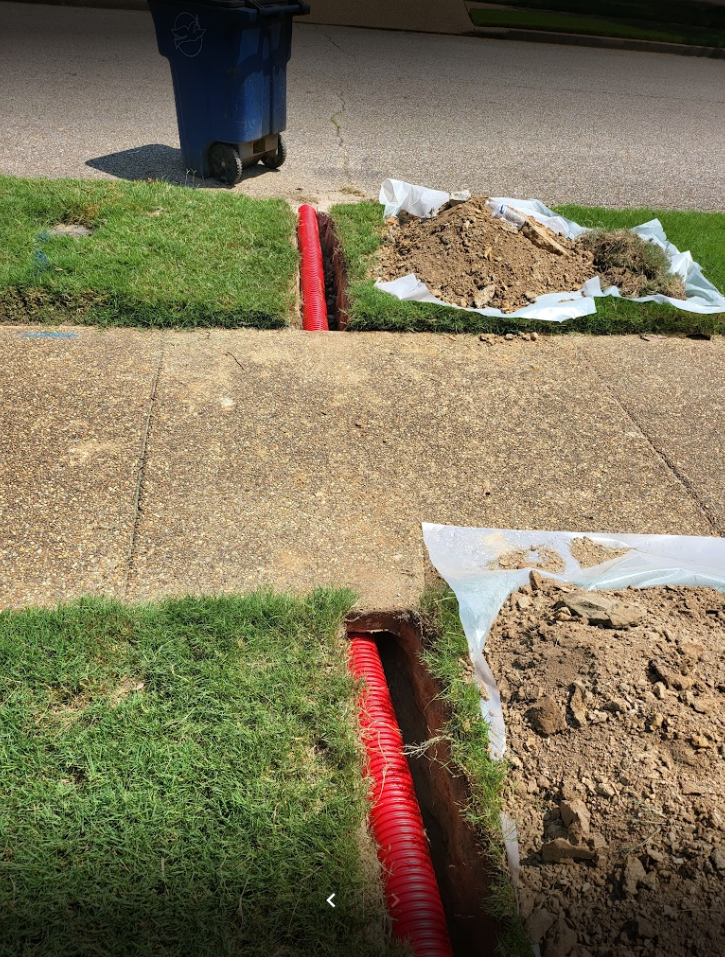
Once we agree on a drainage plan, our certified technicians follow a clear process to install French drains and companion components. We begin by marking utilities and planned trench routes to help protect existing infrastructure and landscaping. Trenches are then excavated along identified problem paths, with care taken to maintain appropriate depth and slope so water can flow toward discharge points without creating new drainage problems elsewhere on the property.
A bed of drainage stone is placed, followed by perforated pipe wrapped in suitable filter material where appropriate, and then additional stone and soil backfill. Surface elements such as catch basins, pop-up emitters, or cleanouts are set to match surrounding grades for a low-profile appearance that helps preserve curb appeal. Throughout, we coordinate with homeowners on access routes, temporary material storage, and restoration expectations so lawns, plantings, and hardscapes can be returned as closely as practical to their prior condition after work is complete.
Maintenance Considerations and Long-Term Performance
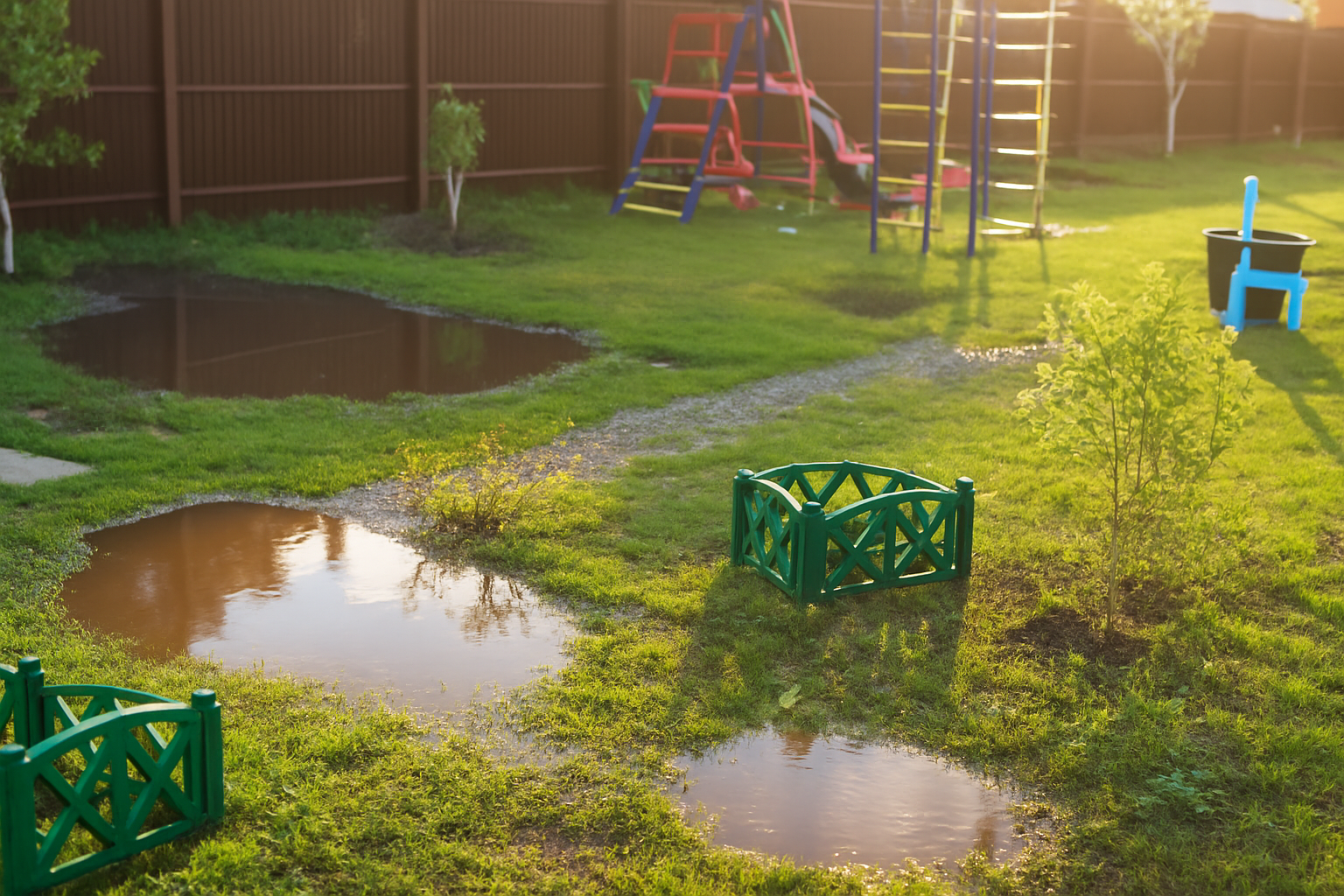
Like any drainage system, French drains and related components benefit from periodic maintenance to help support long-term performance. We encourage homeowners to keep surface grates, catch basins, and pop-up emitters clear of leaves, mulch, and debris so water can enter and exit freely. Visual checks after heavy rains can reveal whether water is discharging as expected or if adjustments may be useful for continued performance over time.
Over many seasons, changes to landscaping, new hardscapes, or additional structures such as sheds and play features can alter how water moves across the property. When significant changes are planned or when new drainage problems appear, an updated evaluation from a certified technician can help determine whether existing French drains still match current site conditions. This proactive approach supports continued protection against standing water, helps reduce mosquito breeding grounds, and aids in preventing water damage that might otherwise contribute to future foundation repair needs.
When Mount Juliet Homeowners May Benefit From a Professional Evaluation
Homeowners in Mount Juliet often seek a drainage evaluation when they notice recurring puddles, soft ground near the foundation, or signs of water intrusion in basements and crawl spaces. French drain installation may be particularly helpful where gutters discharge large volumes of water near corners, where slopes direct runoff toward the structure, or where expansive clay soils hold moisture against foundation elements for extended periods.
By involving a Certified Structural Technician early, homeowners can explore water management solutions that address both immediate symptoms and underlying causes. A thoughtfully designed combination of French drains, surface drains, and downspout extensions can help support foundation performance, landscape health, and curb appeal over time. For those ready to discuss next steps, we can provide a professional assessment and outline a tailored plan to help keep properties drier and more stable over time.