

French Drain Installation for Spring Hill, TN Homes
Drainage concerns in Spring Hill can feel overwhelming when water lingers in the yard, against walls, or under the home. We focus on French drain installation and related drainage components that help move water away from structures while staying out of sight. Our Certified Structural Technician evaluates how water behaves around each property so we can recommend water management solutions that help protect foundations, support landscape protection, and reduce the risk of future moisture-related headaches.
What Water Management Solutions Mean for Spring Hill Homeowners
When we talk about water management solutions around a Spring Hill property, we are really talking about how effectively the site moves water away from the structure and landscaped areas. Our Certified Structural Technician evaluates how rainwater flows across the lawn, how roof runoff is discharged, and how soils drain so water does not collect against walls, in low spots, or under the foundation.
Uncontrolled moisture around the perimeter can also increase the risk of basement or crawl space leaks and contribute to foundation instability when soils repeatedly swell and contract. By designing drainage components that move water away from the structure and keep components out of sight, we help support foundation performance, reduce nuisance water problems, and maintain a cleaner yard. Many of our approaches align with the French drain installation practices.
How Drainage Problems Influence Foundations and Basements
Poor drainage creates an indirect pathway from surface water to foundation and basement trouble. When rainwater or runoff drains toward the foundation instead of away, moisture can build up around walls and footings. Roof runoff that is deposited right next to the foundation has a similar impact, increasing the volume of water the surrounding soil must absorb.
In areas with expansive clay soils, repeated wetting and drying causes soil to swell and contract, stressing structural components. This movement can contribute to leaking basements, cracks in drywall, sagging floors, and related interior changes. Our Certified Structural Technician focuses on managing water so soil moisture stays more consistent, which can help support foundation performance. We also consider how site drainage connects with broader foundation drainage grading issues that may influence long-term stability.
Why Consistent Soil Moisture and Proper Slope Matter
Keeping soil moisture and surface slope relatively consistent around a structure can reduce the risk of foundation settling and heave. When water is allowed to collect near the walls instead of draining away, soils can become saturated, soften, and then dry out unevenly. That cycle can cause movement beneath footings, slabs, and nearby flatwork. A thorough drainage assessment focuses first on how water leaves the site, then on how soils and surfaces respond to that flow.
Industry recommendations describe how paved surfaces should slope away from the house to encourage runoff instead of allowing water to drain back toward the foundation. We use those guidelines as a reference point while we evaluate local site conditions, paying close attention to low spots, settled backfill, and areas where water tends to linger after rain. By tuning French drain installation and related components to these conditions, we help support more uniform soil moisture and reduce nuisance pooling around Spring Hill homes.
Expansive Clay Soils and Their Sensitivity to Moisture
Expansive clay soils take in water much more readily than many well-draining soil types. When rainwater or roof runoff is allowed to collect near the home, these clays can become saturated, expand, and heave upward, increasing pressure on foundations, basement walls, and slabs. As the soil later dries, it contracts and releases that pressure. Repeated wet–dry cycles cause soil under different portions of the structure to move unevenly, which can stress building materials over time.
Homeowners around Spring Hill may notice warning signs linked to this movement, including cracks in drywall, sagging or uneven floors, leaking basements, standing water under the house, and other visible changes. Because expansive clay soils are sensitive to moisture swings, consistent drainage around the foundation is important. Our drainage system planning process takes soil type into account so water management solutions can better support long-term performance.
How Our Purpose-Built Drainage System Functions
Our drainage system is purpose-built to move excess water away from the structure and surrounding soil, helping manage moisture conditions that influence foundation performance. We start with a Certified Structural Technician assessment of how water currently flows around the property, where it collects, and how that pattern affects the yard, landscaping, and structural elements. That evaluation guides the layout of French drains, surface drains, subsurface components, and discharge points.
Based on these findings, we may configure combinations of French drain installation, downspout extensions, catch basins, popups, cleanouts, and basement or crawl space drainage measures to help reduce standing water and direct it away. By helping maintain more consistent moisture levels in the soil, these systems support the foundation and can reduce the risk of future leaks or cracks. Components are arranged to remain largely hidden from view, so they protect the home and yard while helping preserve landscape protection and curb appeal.
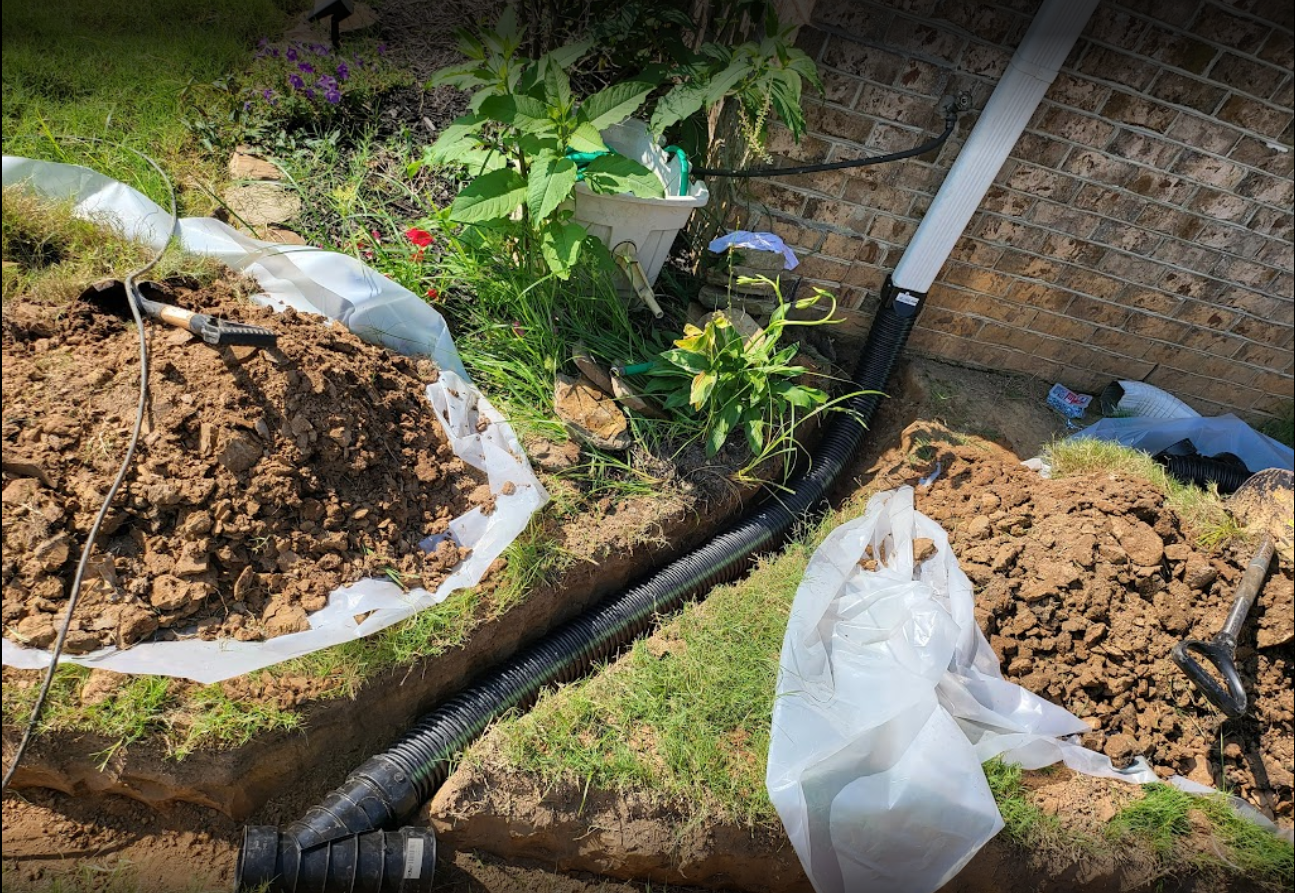
Water Management Solutions and Products We May Recommend
Every Spring Hill property responds to water differently, so our Certified Structural Technician evaluates how surface water, roof runoff, and soil conditions interact before recommending specific water management solutions. Double barrel drains and French drain installation are often used where soils hold moisture and need a controlled path to move excess water away from the foundation. Downspout extensions help redirect concentrated roof runoff so it discharges farther from walls or slab edges.
Surface drains, catch basins, and popups are commonly included where water visibly ponds after rain, helping collect and discharge standing water before it seeps toward the structure. Subsurface drainage, cleanouts, and basement or crawl space components may be added when moisture affects spaces below grade or under the home. Together, these products create a tailored drainage system that addresses current drainage problems and supports cost-effective repair strategies by lowering the likelihood of more extensive foundation repair or basement waterproofing later.
Identifying Drainage Problems Around Your Property
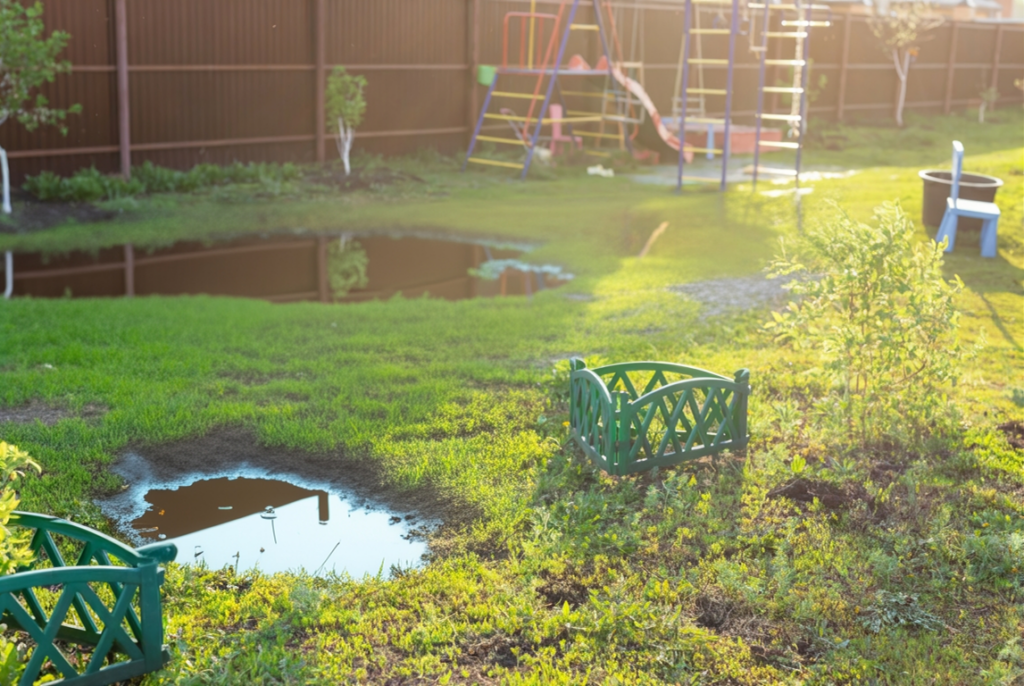
Recognizing drainage problems early can help reduce the risk of damage to the yard and structure. After a typical Spring Hill rain, homeowners can observe how water behaves around the property. Pooling water that lingers in low spots of the lawn, along walks, patios, or driveways may suggest that slopes are not carrying water away from the home. Water collecting next to the foundation can increase the chance of foundation drainage concerns.
Standing water under the house in a crawl space, repeated basement flooding, or areas of eroded or dying landscaping may all signal underlying drainage problems. Persistent wet areas also create conditions that can support mosquito breeding and mold growth. When these signs are present, a Certified Structural Technician should perform a detailed drainage assessment and discuss options for French drain installation or other improvements that support landscape protection and help manage moisture.
Our Drainage Assessment Process and Findings
During a drainage assessment, a Certified Structural Technician conducts a structured walkthrough of the Spring Hill property, noting where water collects on the surface, how it moves across slopes, and whether it drains toward the foundation, basement, crawl space, or landscaped areas. We compare those observations with grading recommendations and visible warning signs so we can match surface symptoms to underlying causes.
We then review soil conditions and existing drains, downspouts, and discharge points to see how effectively excess water is being carried away. Findings from this evaluation are organized into a clear, cost-effective repair plan that may include French drain installation or other drainage components to help manage moisture and support long-term foundation performance. This process also gives homeowners a roadmap for prioritizing improvements if multiple drainage problems are present.
Protecting Property Value With Preventive Drainage Planning
When drainage around a Spring Hill home is not addressed, surface water can collect near the structure, soak into the soil, and increase the likelihood of structural movement. Directing water away through French drain installation and related measures helps keep soil moisture more consistent. That consistency can reduce the risk of foundation settling or heave and may reduce the need for extensive foundation repair in the future.
Consistent moisture management also supports landscape protection by limiting erosion, standing water, and plant stress that can damage lawns and plantings. Our experienced technicians look for ways to route water underground and out of sight so functional improvements blend with existing beds, hardscapes, and turf. By treating water management solutions as part of a broader plan, we help homeowners protect both structure and curb appeal over time.

Next Steps To Arrange a Drainage Assessment in Spring Hill
Scheduling a drainage assessment is a straightforward way to understand how water is affecting a Spring Hill property today and what that might mean over time. During the visit, a Certified Structural Technician reviews how surface water moves across the yard, how roof runoff is discharged, and whether grading or existing drains are allowing water to collect near the foundation, basement, or crawl space. Photographs of pooled water after storms and notes on recurring trouble spots can help guide that discussion.
At the end of the assessment, we outline practical French drain installation options and other water management solutions that can help manage moisture and support structural performance. Our goal is to provide clear information, explain how each recommendation addresses specific drainage problems, and support cost-effective repair planning that aligns with homeowner priorities. Contact us, to explore drainage improvements tailored to your property.