Foundation Repair for Lee’s Summit, MO Homes
Foundation problems can create stress for homeowners in Lee’s Summit, especially when cracks, sticking doors, or sloping floors start to appear. We draw on more than 90 years of experience with foundation repair to help explain what may be happening beneath the structure and how modern support systems respond to changing soil and moisture conditions. Our Certified Structural Technician focuses on identifying underlying causes, not just surface symptoms, so recommended solutions align with both the home and its surroundings.
This page organizes key topics into clear sections, from common foundation problems and soil behavior to our Cable Lock ST Plus hybrid system and long-term support strategies. Throughout, we emphasize how professionally designed methods can help manage movement, protect structural framing, and support property value over time. Homeowners who understand foundation behavior are in a stronger position to make informed decisions about repair options, timing, and service providers.
Foundation Problems Affecting Lee’s Summit Homes
Homes in Lee’s Summit often experience foundation movement as surrounding clay soils expand with added moisture and contract during drier periods. These cycles can create visible cracks in walls, floors, and other finished surfaces. Over time, small gaps may widen as stress transfers into the structure, especially where support conditions are already marginal or drainage is poor. Recognizing these early changes can help reduce the risk of larger structural and cosmetic concerns later.
Settlement is another frequent issue, occurring when portions of the foundation lose support as soils soften, erode, or shrink. Typical signs include sloping or uneven floors, gaps at moldings, and changes in how doors and windows operate. Related shifting happens when different areas of the foundation move at different rates, which can lead to misaligned cabinetry, ceiling cracks, or stress on plumbing and utilities. Because these foundation problems tend to progress over time, we rely on a Certified Structural Technician to assess patterns of movement and recommend targeted foundation repair strategies that help manage soil-related forces.
Many of these conditions arise from a combination of local soil conditions, surface drainage, vegetation, and construction details, as described in our overview of causes of foundation problems. We use this knowledge to help shape solutions that address both structural support and moisture influences.
How Soil Conditions Influence Foundation Movement
Soils beneath Lee’s Summit homes rarely stay uniform in moisture content. Clay-rich layers can swell when exposed to sustained rain or concentrated runoff and then shrink as they dry. When soils expand, they can press laterally against basement walls and footings or lift portions of slabs. When they contract, they may reduce bearing capacity and allow corners or interior areas to settle. Repeated cycles of swelling and shrinkage can weaken the overall support bed and introduce differential movement across the footprint of the structure.
Moisture distribution is also highly variable. Poorly directed downspouts, standing water near the perimeter, or negative grading can saturate specific zones while other sections remain comparatively dry. Tree roots may draw moisture from one side of the home, while under-slab plumbing leaks add water beneath another. This combination of wet and dry pockets under the same foundation increases stress on concrete elements and can accelerate cracking or distortion. When we evaluate a property, we pay close attention to these patterns so proposed foundation repair measures are coordinated with water management and landscaping changes where appropriate.
Because soil conditions evolve over many seasons, our recommendations focus on support systems that can help respond to movement trends rather than a single moment in time. This approach aligns with our broader philosophy that structural support and moisture control need to work together to help limit ongoing foundation movement.
The Role of Professional Services in Structural Assessment
When signs of movement appear in a Lee’s Summit home, relying on surface patching alone can leave the underlying causes unaddressed. A thorough structural assessment by a Certified Structural Technician allows us to study how seasonal moisture changes, expansive clays, drainage patterns, tree roots, and under-slab leaks are interacting with the structure. We document symptoms such as cracks, sticking doors, and floor variations, then relate them to measured elevation changes and visible soil or water conditions.
This evaluation phase supports informed decisions about whether the structure would benefit from deeper support, adjustments to drainage, or a combination of both. Our technicians also explain how different foundation repair technologies behave over time, comparing shallow systems to options that transfer loads toward deeper, more stable strata. By clarifying trade-offs and installation impacts, we help homeowners select solutions that align with performance goals and site constraints rather than relying on one-size-fits-all methods.
Our broader discussion of the evolution of modern foundation repair methods highlights how professional services have moved from basic patches to purpose-built systems that respond more effectively to complex soils and structures. This history informs our current recommendations and helps us match specific technologies to the needs of each home.
Comparing Traditional and Modern Foundation Repair Technologies
The field of foundation repair technologies has evolved significantly over the decades. Early approaches often relied on shallow concrete pads or simple drilled piers, which provided only limited engagement with stable layers below active soils. These methods could be invasive, required substantial excavation, and depended heavily on installer judgment to estimate capacity. While they represented an improvement over cosmetic patching, their performance in expansive clays and variable moisture proved inconsistent in many settings.
Later systems introduced driven steel piers and pressed concrete pilings to reach greater depths. These solutions improved bearing capacity and offered better load transfer but sometimes raised concerns about corrosion, buckling, or performance in complex stratified soils. Helical piers advanced the field further by providing both tension and compression support without requiring poured concrete, yet they can be constrained by installation access, depth variability, or bracket fit depending on the structure.
To address these limitations, we rely on our patented Cable Lock ST Plus hybrid system in many situations. This system combines steel segments for deeper penetration with concrete cylinders for broader bearing area, all tied together with an internal cable that helps maintain alignment and verify depth during installation.
Cable Lock ST Plus Hybrid Support for Lee’s Summit Homes
The Cable Lock ST Plus system is purpose-built to help homes in Lee’s Summit respond to ongoing soil movement. Our Certified Structural Technician evaluates how shrinking and swelling clays have influenced the structure, then recommends Cable Lock ST Plus when deeper, more consistent support appears appropriate. Smaller-diameter steel sections are driven first to help the assembly reach layers that are less affected by seasonal moisture swings.
Once suitable strata are contacted, larger concrete cylinders are installed above the steel to provide greater bearing area and help support vertical loads. A continuous cable passes through both materials, contributing to alignment and allowing our technicians to confirm depth as each segment is added. This hybrid configuration helps manage settlement-related symptoms such as cracks, sticking doors, and sloping floors while minimizing disturbance at the surface compared to more extensive excavation methods.
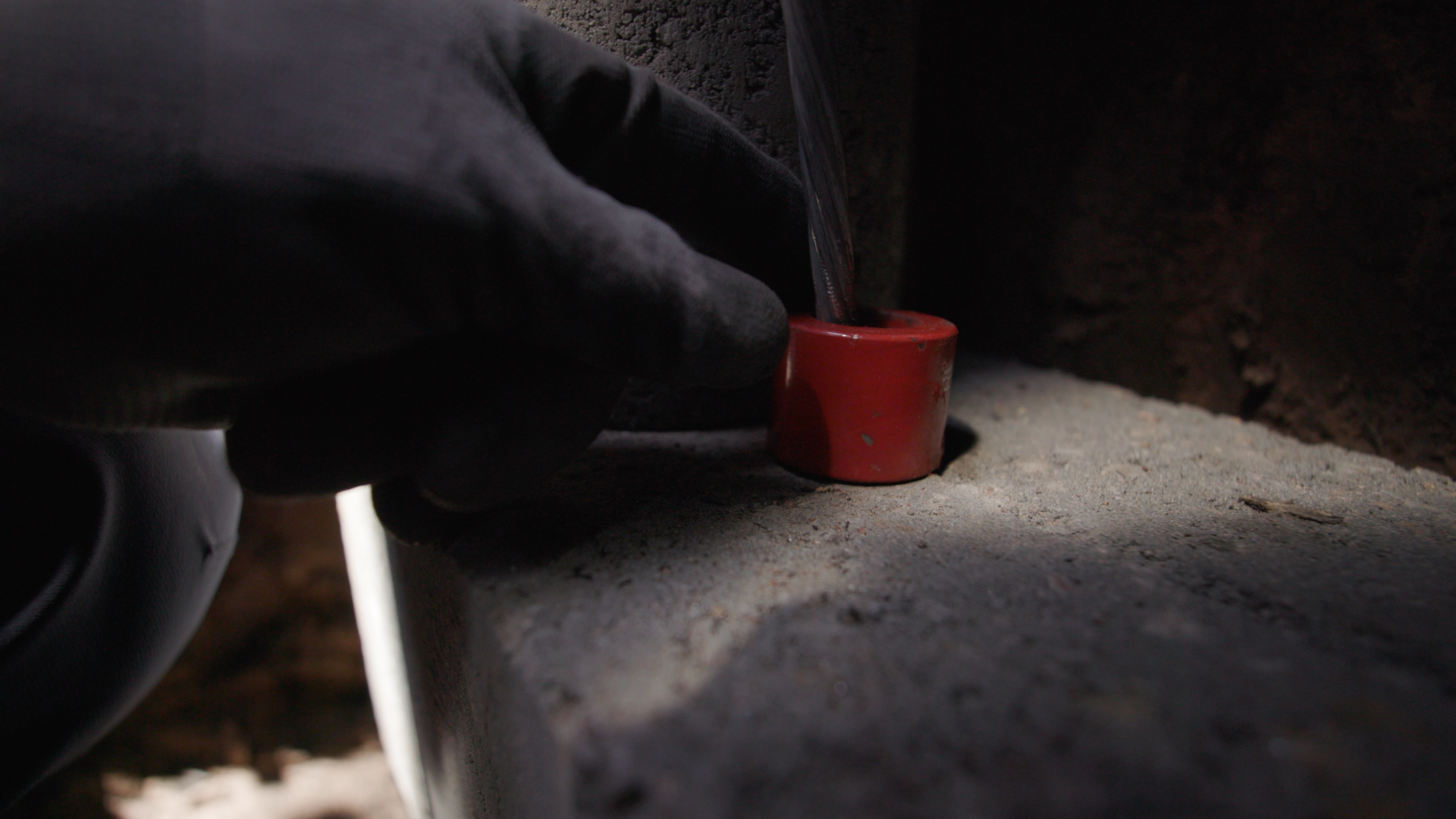
Because Cable Lock ST Plus draws on the strengths of both steel and concrete, it fits within a broader family of modern foundation repair technologies while providing flexibility for many structure types. Selected installations are supported by an Available Lifetime Warranty, reinforcing our commitment to long-term performance while acknowledging that soil and moisture conditions can continue to change over time.
Cracked Foundation Repair and Structural Stability
When cracks appear in walls, floors, or exposed foundation surfaces, our first step is a detailed evaluation by a Certified Structural Technician. We review the pattern, width, and location of each crack and relate those observations to measurable elevation changes and visible site conditions. This process helps determine whether the structure is experiencing primarily cosmetic shrinkage, soil-related settlement, or a combination of influences that may call for deeper support.
When symptoms indicate movement driven by changing soil conditions, we may recommend support systems such as Cable Lock ST Plus to help transfer loads toward more stable layers. Broad-based concrete cylinders contribute to bearing area, while deeper steel segments help reach consistent strata below the active zone. Together, these elements can help manage settlement-related cracking as part of a comprehensive cracked foundation repair strategy that also considers drainage and moisture patterns.
We emphasize that visible cracks are often signs of larger movement trends rather than isolated defects. By focusing on the interaction between soil, structure, and water, our repair plans aim to support overall stability instead of only treating individual crack locations.
Concrete Foundations Compared With Other Structural Systems
Many homes in Lee’s Summit rely on a concrete foundation, whether as a slab-on-grade, crawl space footing system, or basement wall configuration. Each type carries loads differently and interacts in its own way with expanding and contracting soils. Slab foundations distribute loads across a wide area near the surface, making them especially sensitive to moisture-driven changes in the upper soil layers. Crawl space and basement designs introduce vertical walls and footings that can experience lateral pressure or settlement when clays swell or dry unevenly.
Shallow elements, such as older concrete pads or unreinforced sections, can be particularly vulnerable because they rest within the most active portion of the soil profile. In contrast, deeper support systems that combine steel depth with concrete bearing area are designed to transfer loads toward more stable strata below weather-affected zones. By comparing the behavior of a concrete foundation with other structural systems during our evaluations, we can tailor foundation repair recommendations to the specific way each home interacts with local soils.
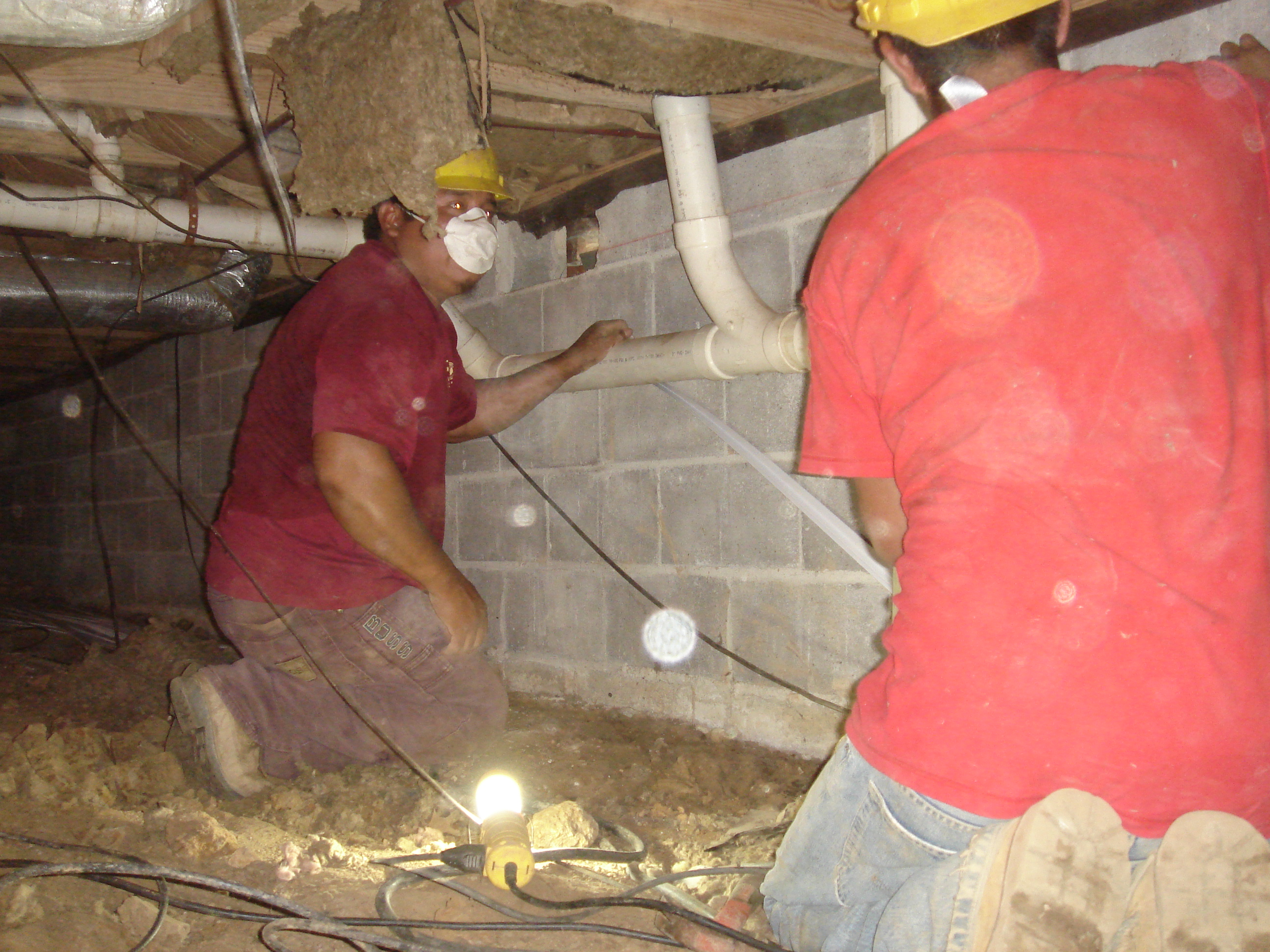
This comparative understanding also helps us explain why different homes in the same neighborhood may show different symptoms at different times, even when built on similar soils.
Lifetime Warranty Coverage and Long-Term Value
Homeowners often ask how long foundation repair solutions can continue to support their home as soil and moisture conditions evolve. Our focus is long-term performance rather than short-term patching, which is why many systems we recommend are supported by an Available Lifetime Warranty. This coverage is designed to recognize that soil movement is an ongoing process, not a single event, and to provide a structured path for service if new symptoms develop later.
When our Certified Structural Technician explains repair options, the discussion includes how the support system, warranty coverage, and ongoing observation work together. Hybrid assemblies that combine deeper-penetrating steel elements with concrete cylinders and internal cabling are configured to help manage the continuing effects of expanding and contracting clays. Available Lifetime Warranty protection supplements this design focus by outlining how adjustments or follow-up visits may be handled if conditions change.
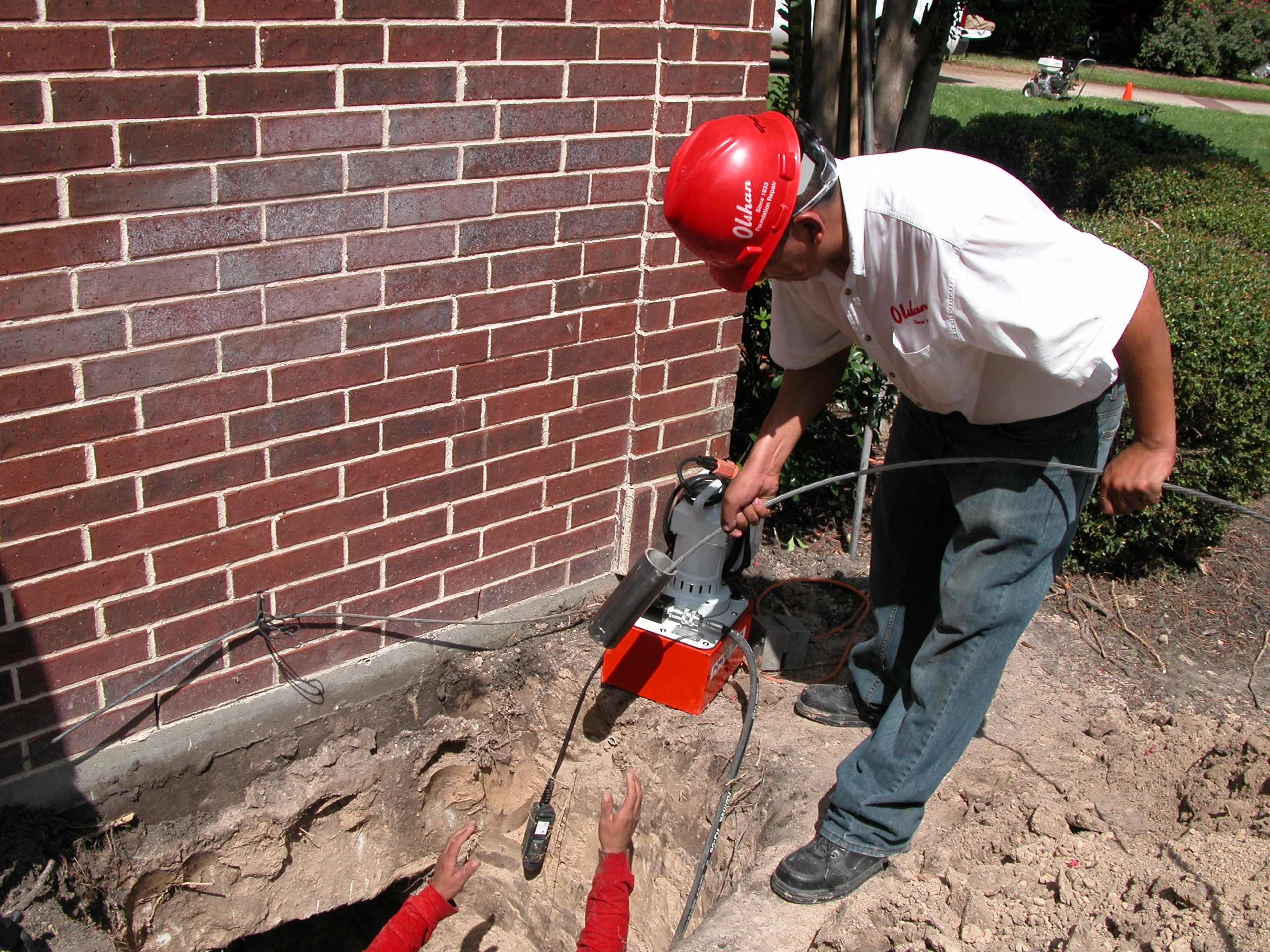
By aligning structural design, professional services, and Available Lifetime Warranty coverage, we aim to support both the physical stability of the home and the homeowner’s confidence in the chosen solution.
Steps To Schedule a Structural Assessment
Scheduling a structural assessment is an effective way to understand what is happening beneath a home in Lee’s Summit before symptoms progress. The process usually begins with a discussion of what occupants have noticed, such as cracks opening, doors sticking, or changes in floor level. These observations guide our Certified Structural Technician as the foundation, interior finishes, and surrounding site are reviewed for signs of settlement, soil expansion, or moisture-related changes.
During the visit, the specialist explains how local soil conditions, drainage, and structural configuration may be interacting. Elevation readings and visible indicators help clarify whether deeper support, improved water management, or monitoring is most appropriate. When foundation repair is recommended, we outline options that can include modern systems like Cable Lock ST Plus and explain how they are installed, how they help support the structure, and how Available Lifetime Warranty coverage may apply.
Taking this step early can help reduce the risk of more extensive damage to framing, finishes, and utilities while providing a clearer picture of the home’s current structural health. Homeowners gain a roadmap for next steps, whether immediate work is needed or conditions simply warrant continued observation.
Long-Term Benefits of Timely Foundation Repair
Addressing movement at the foundation level can provide long-term benefits that reach well beyond visible cracks. By helping manage settlement and soil-related stresses, properly selected systems can support more uniform performance in floors, walls, and framing as seasons change. This, in turn, can reduce the likelihood of recurring drywall damage, persistent door and window misalignment, or stress on plumbing and mechanical lines that pass through or beneath the structure.
Modern hybrid systems, including Cable Lock ST Plus, are designed to reach more stable soil layers and to work in concert with drainage improvements where needed. As these elements function together, they can help stabilize conditions beneath the home and support more predictable behavior from year to year. In an area where expansive clays and moisture swings place ongoing demands on structures, timely foundation repair can help preserve both day-to-day comfort and long-term property value.
Homeowners who understand how foundation problems, soil conditions, and structural systems interact are better equipped to make thoughtful decisions about maintenance and upgrades. Our role is to provide clear information, careful evaluations, and purpose-built solutions that help protect what may be one of the largest investments many families ever make. To discuss concerns or arrange a professional evaluation for a home in Lee’s Summit, Contact us.