
Basement Waterproofing for Shawnee, KS Homes
We understand that basement water concerns in Shawnee can feel disruptive, especially when they influence storage, finished space, and overall peace of mind. With our comprehensive Basement Waterproofing Solutions, we focus on how water enters the basement, how our Certified Structural Technicians evaluate those conditions, and which options may help manage moisture, support structural performance, and improve Indoor Air Quality. Throughout this guide, we explain interior and exterior methods, how Hydrostatic Pressure acts on basements, and how Cost-effective Basement Repair, budget planning, and Ongoing Maintenance fit into our broader Home Structural Services.
Understanding Basement Waterproofing Solutions
Effective Basement Waterproofing Solutions begin with a careful evaluation of how and where water is entering the space and how that moisture may be affecting the structure and indoor environment. Our Certified Structural Technician looks beyond visible puddles or stains to patterns such as seepage through floor cracks, spaces at the footer, sweating walls, windows, or bowed and tilted walls that indicate Hydrostatic Pressure and developing structural stress. These conditions often relate to one or more of the common water entry paths described in our five ways water enters your home.
Surface patching often addresses only the symptom, allowing water to find a new path of least resistance. In contrast, our solutions integrate targeted water management components and air quality systems to help manage moisture, support the stability of basement walls and floors, and reduce humidity that may influence living space. Many basement systems are supported by warranty coverage and are provided by certified technicians with detailed evaluations and flexible payment options as part of our broader Home Structural Services.
Common Signs of a Wet or Leaky Basement
In many Shawnee basements, water concerns first appear as everyday, visible changes. Floor cracks may allow water to work up from below the slab, leaving darkened joints or damp spots that repeat after rain. Bowing or tilted walls, along with cracks in basement walls and mortar joints, suggest that moisture and Hydrostatic Pressure are acting on the structure and may allow water to seep into the space. Sweating or “bleeding” walls and window sills show that frequent excess moisture is present, often resulting in pooled water along the edges of the floor.
Over time, this moisture reduces usable living and storage space and is associated with settlement, structural damage, and concerns about Indoor Air Quality. Musty odors, visible mold spots, or frequent dampness may indicate that hidden water is collecting behind finishes or inside block cavities. When we complete a detailed evaluation, we explain how these visible signs relate to underlying water paths so homeowners can consider appropriate Basement Waterproofing Solutions and Cost-effective Basement Repair strategies rather than short-term patching.
How Water Enters Your Home and Hydrostatic Pressure Explained
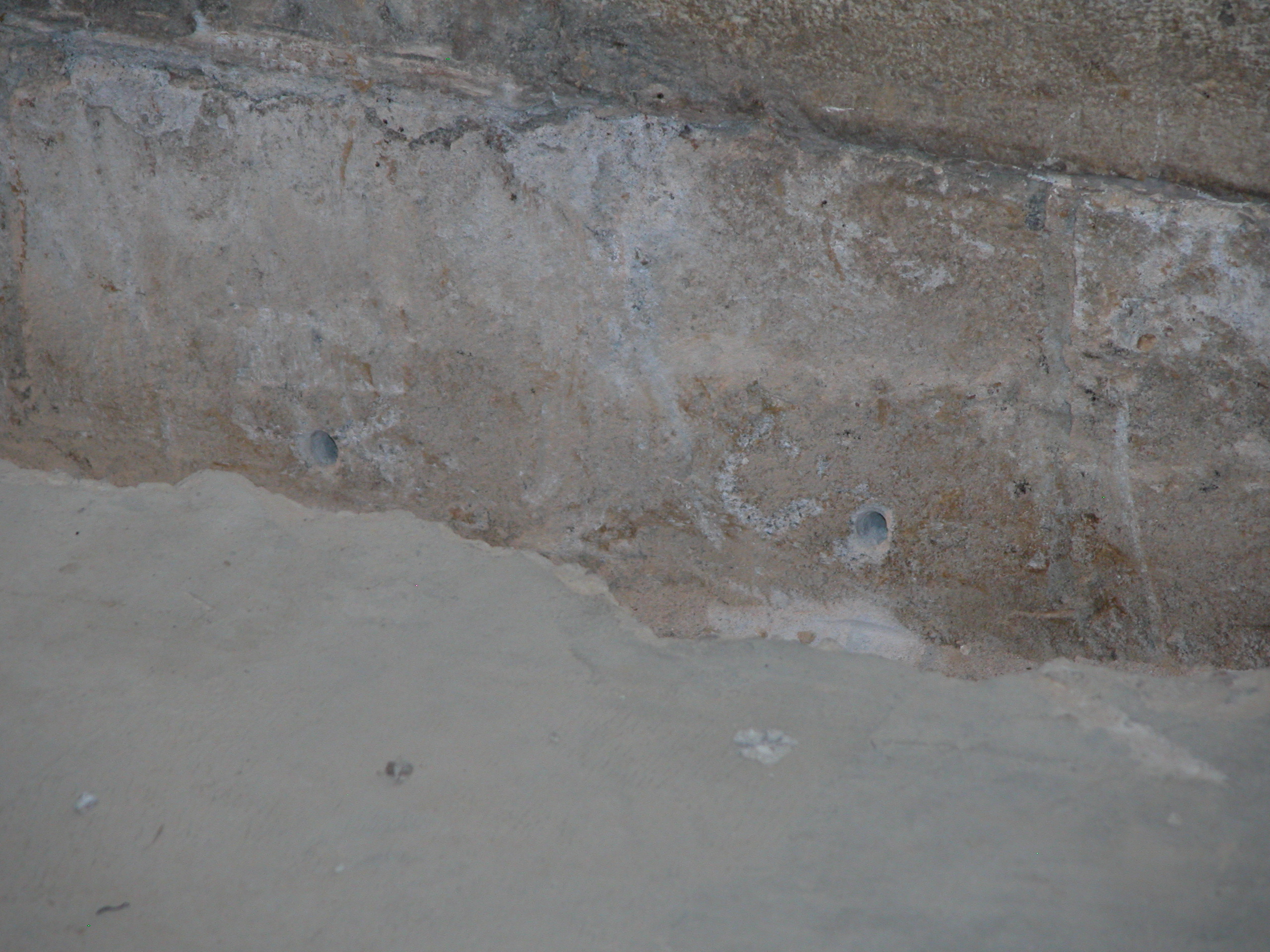
Water follows the path of least resistance around a home, so our Certified Structural Technician studies where it is building up and how Hydrostatic Pressure may be affecting the foundation. As soils become saturated, pressure increases against basement walls and under the slab, pushing water toward weaker points. Excess moisture beneath the floor can push water up through floor cracks, turning hairline fractures into visible seepage that repeats during wet weather.
When water collects under the footer, pressure at the joint between the footer and floor may drive moisture into the basement along that construction gap. Persistent moisture can also appear as bleeding or sweating walls and window sills, where block walls and window wells hold water until it seeps inside. Cracks in walls and mortar joints may form as saturated soils press against the structure, allowing hidden seepage within block cavities before it becomes visible. Addressing these pathways early may help reduce the risk of bowing, cracking, and ongoing seepage, supporting the long-term performance of our Basement Waterproofing Solutions as part of coordinated Home Structural Services.
Interior Waterproofing Methods and When They Make Sense
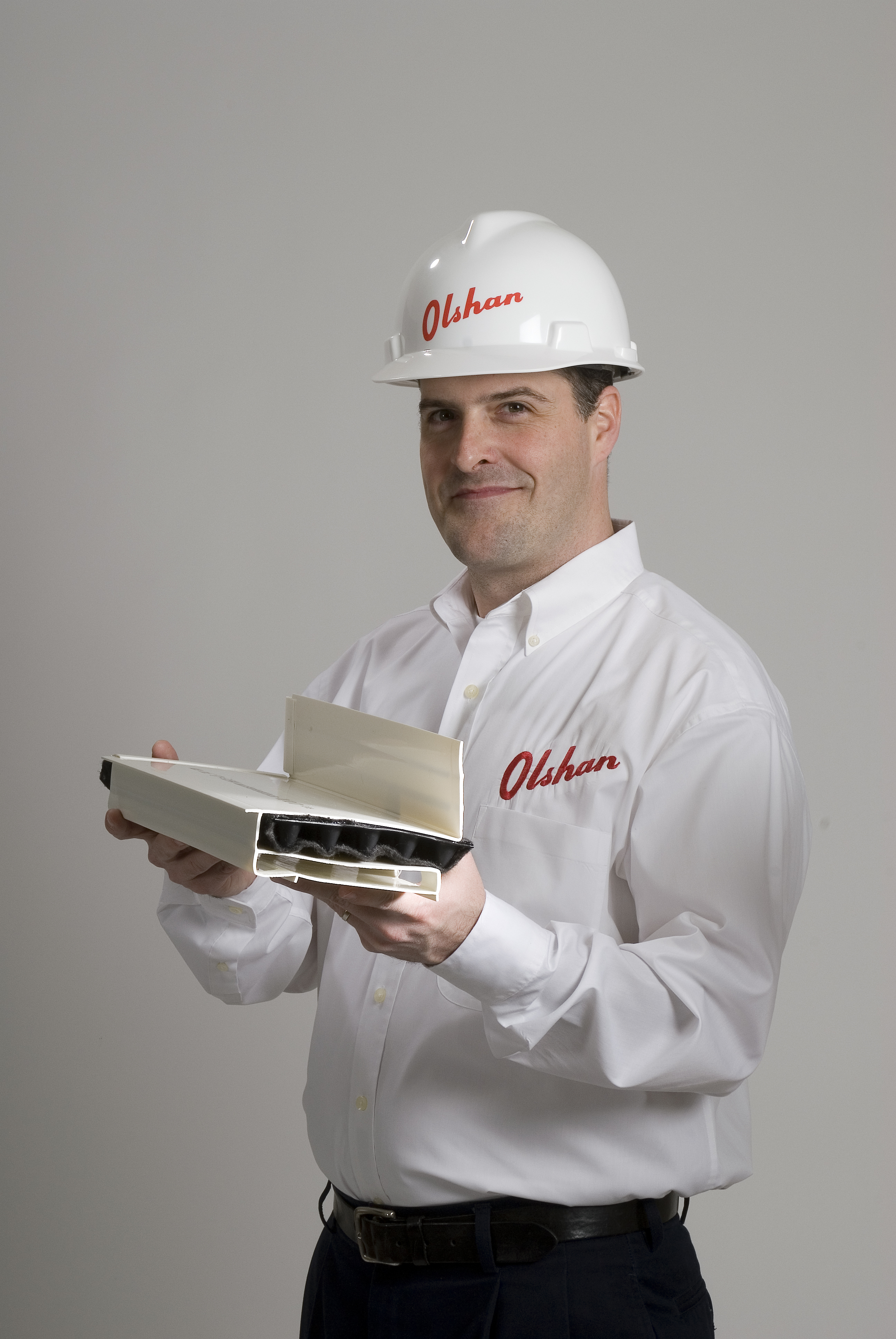
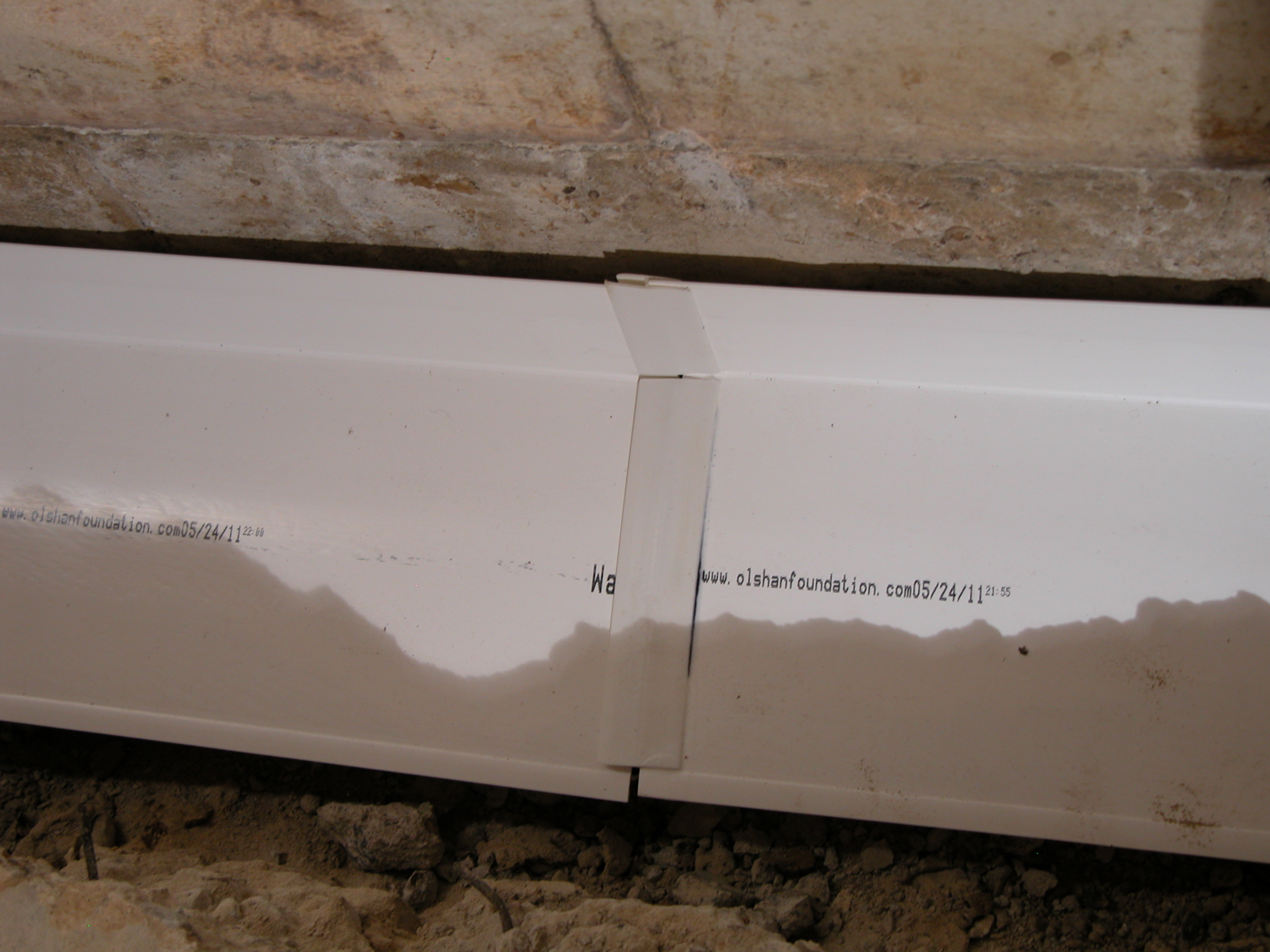
When interior approaches are appropriate, a Certified Structural Technician develops a plan that allows water to enter predictable collection points, then manages it away from the basement. We often install an interior drainage channel, frequently using a system such as Water Lock Plus™, along the base of selected walls so water from floor cracks, wall cracks, or the footer joint is directed into a controlled path instead of spreading across the floor. Where needed, we use concrete breakout to access the perimeter and place the drain components in suitable positions.
The drainage line connects to a Sump Pump System, which discharges collected water away from the foundation as part of a coordinated interior basement drainage system. Wall Shield vapor barriers may be installed to provide interior wall protection by directing moisture into the drainage channel. Interior work usually takes less time than exterior excavation, may be easier to service, and is especially suitable for unfinished basements and homes without monolithic slabs. For many homeowners, this interior option becomes a central part of their Cost-effective Basement Repair plan and ongoing Home Structural Services strategy.
Exterior Waterproofing Approaches and Site Conditions
Exterior waterproofing focuses on helping manage water before it reaches common entry points such as cracks, joints over the footer, or gaps between the footer and floor. We begin by having a Certified Structural Technician evaluate where water is building up around the property and how Hydrostatic Pressure is acting on the walls and slab. When excavation is recommended, soil is carefully removed along the outside wall so we can install an exterior moisture barrier, add dimple board to create a controlled drainage plane, and incorporate components such as footer drains, French drains, double barrel drains, or surface drains to help move water away from the structure.
Because work occurs outside, this method helps protect finished basements with limited disruption to interior finishes. Exterior systems often take longer to install than interior options and, depending on site slope, may include gravity discharge or drains that help route water without a sump pump. Our technicians review these tradeoffs, comparing exterior and interior Basement Waterproofing Solutions so homeowners can select an approach that supports their goals for the Shawnee property and fits the budget as part of a Cost-effective Basement Repair plan.
Waterproofing Products, Technology, and Home Structural Services
Our Certified Structural Technician evaluates how water enters the basement—through floor cracks, wall joints, or over or under the footer—then configures Basement Waterproofing Solutions from a coordinated set of components. Water Lock Plus™ functions as an interior discharge system that collects seepage at the floor perimeter and channels it toward a managed outlet. Pipe & Rock and segmented pipe create moisture capture points that help resist crushing and improve flow toward discharge, supporting both water management and broader Home Structural Services goals.
Additional components such as baseboard water channels for monolithic slabs, Wall Shield vapor barriers, under floor drains, footer drains with gravel fill, surface drains, French drains, double barrel drains, downspout extensions, gravity discharge, basement dehumidifiers, and air quality systems can be combined in different ways. This flexibility allows us to design Cost-effective Basement Repair strategies that address water intrusion while also considering structural movement, Indoor Air Quality, and future Ongoing Maintenance needs as part of comprehensive home structural planning.
Structural Repair Solutions and Certified Technicians
During a basement assessment in Shawnee, a Certified Structural Technician evaluates more than surface moisture. Our team studies cracks in floors and walls, bowed or tilted wall sections, pressure on mortar joints, and signs of subsurface water beneath the foundation. When these conditions are present, we explain how water intrusion and structural movement often interact so recommended Structural Repair Solutions focus on the underlying sources of stress rather than isolated symptoms.
When wall movement, Hydrostatic Pressure, or subsurface water indicate deeper concerns, we may suggest combining structural elements with interior or exterior Basement Waterproofing Solutions. In many homes, this means coordinating wall stabilization or other structural strategies with drainage components, a Sump Pump System, and vapor barriers. Addressing structural conditions and water management together can help reduce the risk of recurring leaks, loss of living space, and ongoing foundation problems while supporting the overall performance of our Home Structural Services.
Indoor Air Quality and Long-Term Basement Health
When moisture enters a basement through floor cracks, over the footer, or from sweating walls and window sills, it affects more than finishes and belongings. Persistent dampness supports mold and mildew, which can release particles and odors that move from the basement into other areas of the home, influencing overall Indoor Air Quality. Because water often collects inside block walls before becoming visible, air quality may decline gradually even when obvious pooling is limited.
Our certified technicians evaluate how and where water is entering so we can combine water management, basement dehumidifiers, and air quality systems in one coordinated plan. This approach helps manage humidity, reduce conditions that support mold, and support healthier Indoor Air Quality over time. Running a dehumidifier, improving air circulation, and addressing visible leaks may offer short-term relief, but a comprehensive waterproofing strategy can better align moisture control with long-term basement health and Ongoing Maintenance planning.
Cost-Effective Basement Repair Options and Budget Planning
Project scope is often guided by where water is entering, how long conditions have persisted, and which Cost-effective Basement Repair strategy best supports the goals for the property. During a detailed evaluation, a Certified Structural Technician considers whether interior methods, exterior methods, or a combination of Structural Repair Solutions, water management, and air quality components is appropriate for the basement in Shawnee. Interior options typically involve concrete breakout, installation of drainage channels such as Water Lock Plus™, and often a Sump Pump System with discharge lines.
Exterior options usually require excavation, wall moisture barriers, dimple board, and drainage, and may or may not include a sump pump, which influences both scope and investment level. We provide estimates, convenient payment plans, and solutions configured to align with improvement goals and budget. For many homeowners, a phased plan that combines immediate water management with future Ongoing Maintenance visits offers a practical way to address basement concerns while managing overall investment as part of our Home Structural Services.
Ongoing Maintenance and Next Steps for Shawnee Homes
During an evaluation, a Certified Structural Technician studies how water is entering the basement, including through floor cracks, gaps at the footer, bleeding or sweating walls, or wall joints under Hydrostatic Pressure. The visit focuses on identifying where water follows the path of least resistance and how that may be affecting usable space, Indoor Air Quality, and overall Home Structural Services needs. Access to walls, floors, windows, and any areas with visible moisture helps our team review conditions in detail.
Recommendations from this assessment may include interior or exterior Basement Waterproofing Solutions, sump pump systems, basement dehumidifiers, or other water management measures, along with Ongoing Maintenance such as periodic equipment checks and service for pumps or moisture-control components. By pairing diagnostics with clear explanations, we aim to provide a practical roadmap that supports long-term basement health and overall structural performance for Shawnee homeowners. To discuss these concerns and explore options with our team, Contact us.