Foundation Repair for Overland Park, KS Homes
Foundation settlement can feel overwhelming when cracks, sticky doors, or uneven floors begin to appear around the home. We understand how quickly small warning signs can create concern about safety, comfort, and long-term property value. Our goal is to explain how professional foundation repair can help manage these issues before they grow more complex, while supporting homeowner confidence at every step. In this guide, we describe how soil conditions contribute to movement, what symptoms to watch for, and how our Certified Structural Technician evaluates homes in Overland Park to recommend structural repair solutions tailored to local conditions.
We also outline how purpose-built systems such as Cable Lock ST Plus support modern underpinning techniques and why ongoing foundation maintenance matters. Throughout, we focus on practical guidance homeowners can use to understand concrete foundation issues more clearly and to see how professional foundation services can help support the long-term stability of each home.
How Soil Conditions Create Foundation Problems
We know many foundation problems begin with the changing behavior of the clay soils that support homes in this area. Clay expands as it absorbs moisture and contracts as it dries, so repeated wet and dry cycles gradually stress the supporting soil bed. Over time, this process may allow portions of a foundation to move and settle relative to the rest of the structure, which is often described as foundation settlement. Seasonal weather patterns intensify this expansion and contraction, especially when heavy rains follow extended dry periods, creating ongoing shifts beneath slabs and perimeter walls.
Poor drainage can add to these concrete foundation issues by concentrating water near certain sections of the structure. Standing water, heavy gutter discharge at the base of walls, or a negative slope that directs runoff toward the home can saturate soils in localized areas while other zones remain comparatively dry. At the same time, tree roots may draw moisture away from the soil in different locations. This uneven moisture balance contributes to differential movement that may help create cracks in walls or floors, sticking doors and windows, and sloping surfaces that signal changing support conditions, as outlined in our summary of the causes of foundation problems.
Warning Signs That Suggest Foundation Repair May Help
As soil movement progresses, early indicators of foundation settlement often appear inside living spaces. Cracks that gradually open in interior walls or ceilings near doors, windows, and corners may suggest that portions of the structure are moving at different rates rather than simply experiencing surface shrinkage. Homeowners may notice that floors begin to feel out of level or appear visibly sloped, reflecting underlying movement in the framing or slab.
Doors and windows that once operated smoothly can start rubbing, sticking, or failing to latch properly as frames are pulled out of square. Interior trim, cabinets, and crown molding may separate from ceilings or walls, while hard surface flooring materials can crack. Left unaddressed, these symptoms may expand into more pronounced structural and cosmetic damage. When these patterns appear together, they often indicate that it is time to request an evaluation from a Certified Structural Technician who can help determine whether professional foundation services are appropriate.
Why Timely Foundation Repair Matters
Once soil movement begins, conditions typically do not stabilize without intervention, because the same seasonal moisture cycles and drainage patterns continue. As clay soils absorb and lose water, they keep expanding and contracting, which can gradually weaken support and allow additional settlement. Delaying evaluation allows cracks to widen, floors to become more uneven, and frames to distort further, which may increase the complexity of structural repair solutions.
Ongoing movement can also affect systems beyond the visible structure. Underground plumbing lines, utilities, and even roofing components may experience stress as the foundation shifts. Addressing concerns promptly with help from our certified technicians supports earlier management of soil-related movement and reduces the risk of secondary damage. When our team recommends foundation repair, we focus on approaches that help support structural integrity in the context of changing soil conditions and site drainage.
Benefits of Professional Foundation Services
When homeowners invite a Certified Structural Technician to assess foundation movement, they gain access to structured training, specialized evaluation methods, and purpose-built repair systems developed over many years. Our team draws on experience with slab, crawl space, and basement foundations to distinguish between surface symptoms and deeper soil-related causes such as expansive clay, drainage issues, tree root activity, and under-slab plumbing leaks. This understanding helps us match each situation with appropriate underpinning techniques instead of relying on one-size-fits-all approaches, as described in our overview of the causes of foundation problems.
During our assessment, the specialist documents elevation readings, visible cracking, moisture patterns, and site conditions, then explains how those observations connect to the foundation’s behavior. We prioritize clear communication so homeowners understand both the current state of the structure and available professional foundation services. Many foundation repair options for structural support are backed by an Available Lifetime Warranty, which offers added reassurance that service and follow-up support remain available as conditions continue to change.
How Cable Lock ST Plus Supports Structural Repair Solutions
Modern foundation repair has moved beyond shallow methods that only address surface-level movement. Our Certified Structural Technician evaluates how seasonal weather, expansive clays, drainage patterns, and under-slab leaks may have contributed to movement before recommending a solution. Traditional approaches such as concrete pads, drilled piers, driven steel piers, pressed pilings, and helical piers each help transfer loads toward deeper soils, but they can be limited by corrosion risks, difficulty confirming depth, or performance in highly active clays.
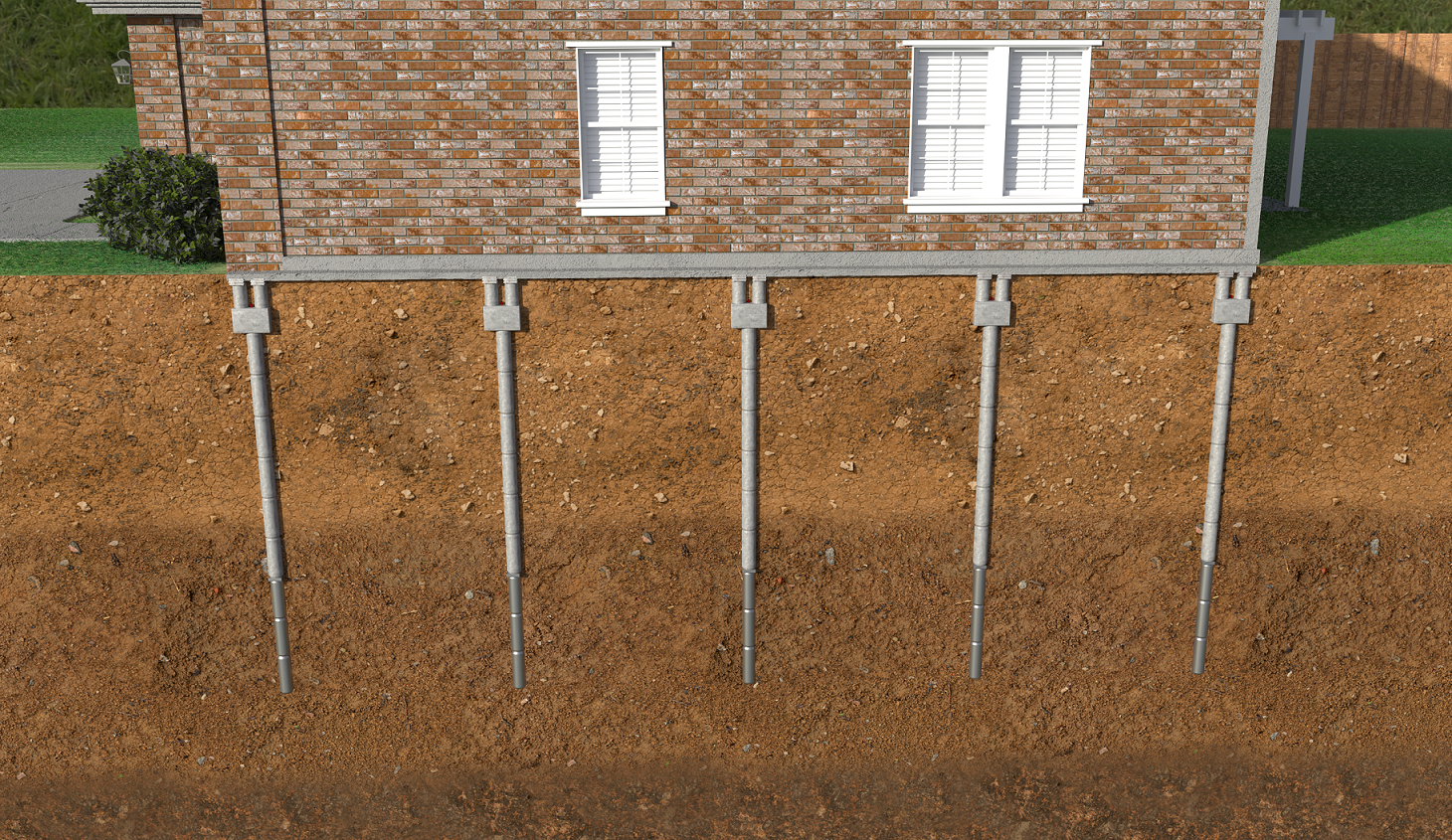
The Cable Lock ST Plus hybrid piling system is a professionally designed method that helps address several of these challenges by combining durable concrete segments for bearing area with penetrating steel sections for depth. A continuous cable helps lock the assembly together, supporting alignment while loads are transferred to more stable strata. This combination supports structural repair solutions that help manage risks associated with soil movement while aiming to minimize disruption to landscaping and finished surfaces around Overland Park homes, reflecting principles discussed in our article on advanced foundation repair technologies.
Understanding Common Concrete Foundation Issues
In many local homes, concrete slabs and perimeter walls experience cracking, settling, and related movement as surrounding soils expand and contract. When clay soils swell with moisture and then shrink during dry periods, the support under the slab can change unevenly, creating both vertical and lateral stresses. These forces may contribute to horizontal or stair-step cracks, gaps at joints, and floor surfaces that feel out of level.
Weather variations, poor surface drainage, thirsty tree roots, and under-slab plumbing leaks all influence how soils behave beneath different sections of the structure. Saturated soils in one area and drying soils in another can cause one section of the foundation to move more than the rest. Over time, homeowners may see exterior brick cracks, interior drywall damage, sloping floors, and difficulty operating doors and windows. Recognizing these concrete foundation issues early supports timely foundation repair and allows our team to recommend solutions that help support long-term stability.
Comparing Underpinning Techniques for Foundation Settlement
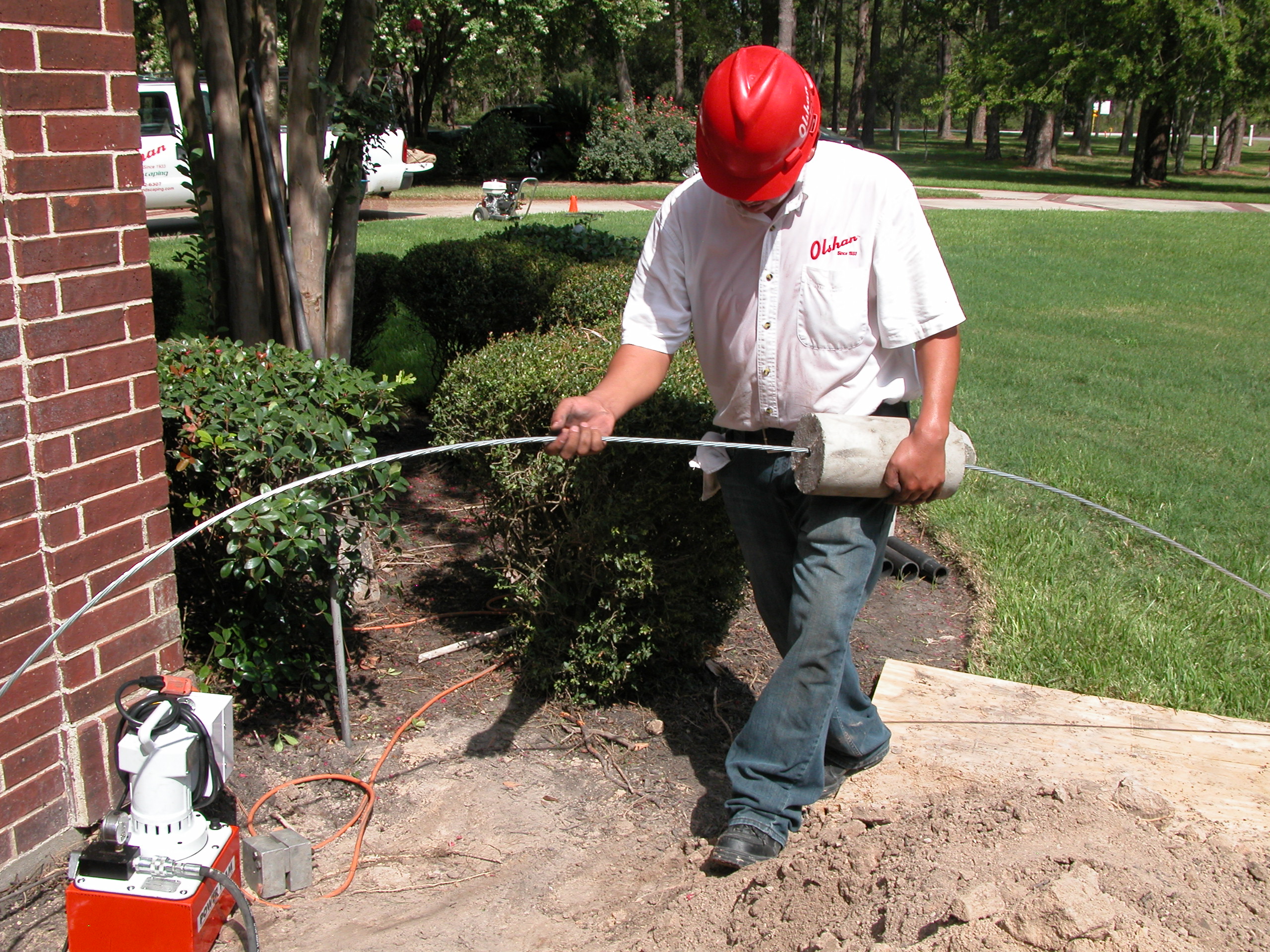
Our Certified Structural Technician evaluates how soil movement, moisture variations, and plumbing leaks have affected each structure before recommending any underpinning approach. We consider how far the foundation has shifted, whether movement is localized or widespread, and what access limitations exist around the home. Historically, shallow concrete pads were used to add support, but because they do not engage deeper, more stable soils, they may allow similar settlement patterns to recur.
Deeper systems such as drilled piers, driven steel piers, pressed pilings, and helical piers help transfer loads toward more reliable soil layers, yet they differ in installation complexity and response to active clay. Hybrid piling systems like Cable Lock ST Plus combine both steel and concrete elements, which helps improve depth, bearing area, and resistance to changing soil conditions. By comparing these underpinning techniques and explaining their strengths and limitations, we help homeowners select structural repair solutions that align with their goals and site conditions, drawing on concepts from our discussion of advanced foundation repair technologies.
How Foundation Evaluations Support Homeowners
Regular foundation evaluations give homeowners in Overland Park a structured way to monitor foundation health before small warning signs progress. When a Certified Structural Technician assesses a home, we look at how seasonal soil cycles, drainage patterns, tree root activity, and under-slab plumbing leaks may be interacting with the structure. Because clay soils expand when wet and contract when dry, scheduling evaluations around these seasonal changes can help us identify movement, cracking, or moisture-related stress at earlier stages.
Consistent evaluations also help prioritize what needs attention first, from cosmetic concerns to deeper structural needs. This planning supports more predictable investments in professional foundation services rather than emergency responses to sudden damage. As part of our process, we explain any recommended foundation repair in clear language and outline how solutions such as Cable Lock ST Plus piles or other underpinning methods can help support the home over time.
Practical Foundation Maintenance Tips for Overland Park Homes
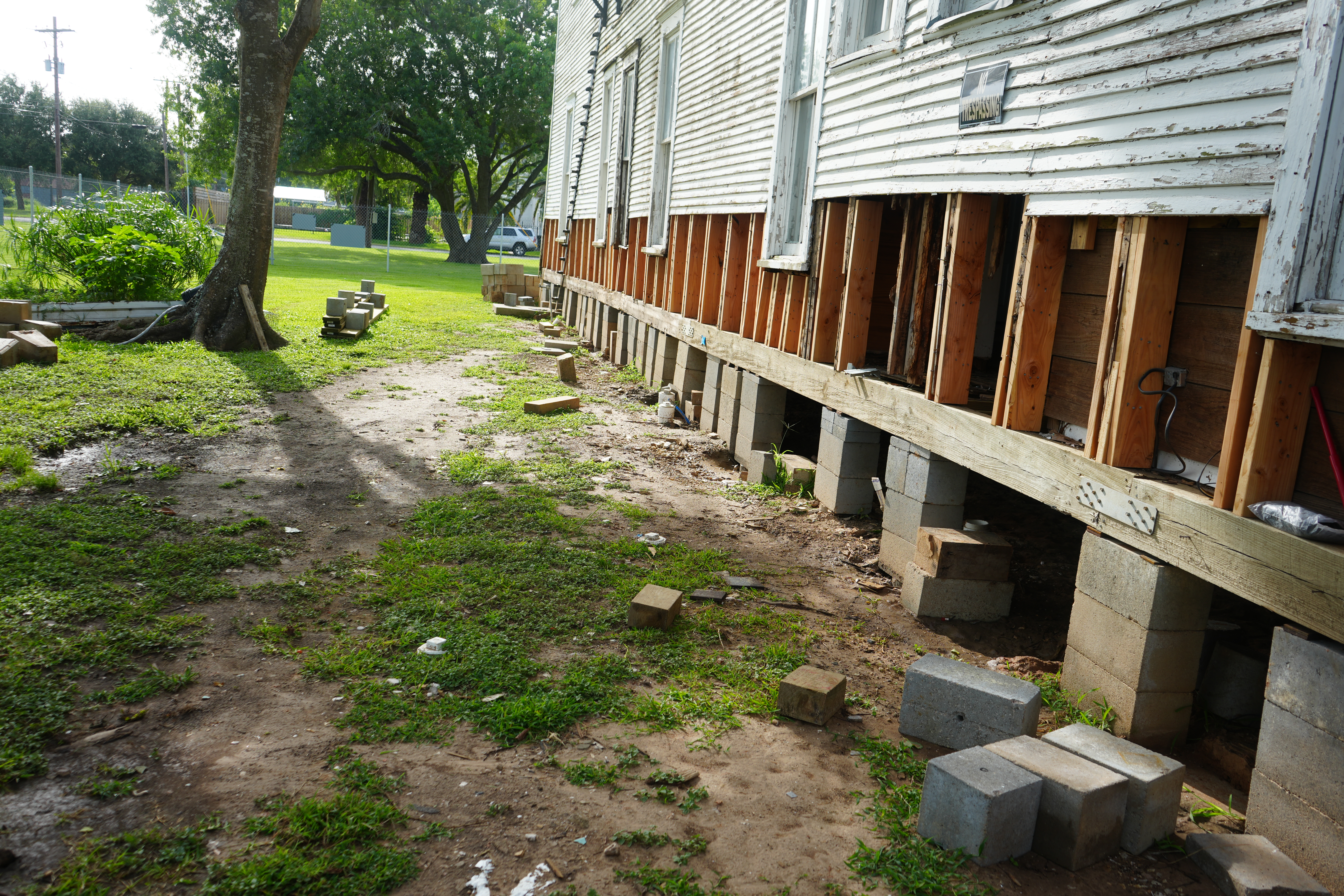
Ongoing foundation maintenance helps reduce the risk that changing soil conditions will lead to new movement around the home. Because clay expansion and contraction are driven by moisture swings, we pay close attention to how water reaches the soils nearest the structure. Keeping gutters clear and directing downspouts away from the perimeter helps limit saturated zones that may contribute to settlement, heaving, and cracks. Where large amounts of roof runoff collect in one area, grading adjustments or extensions may help distribute water more evenly.
Landscaping practices also influence foundation performance. Trees and large shrubs can draw significant moisture from soils beneath or beside the structure, creating localized drying that contributes to uneven movement. Watching for new wall or floor cracks, changes in how doors and windows operate, or recurring areas of standing water gives homeowners cues that it may be time to request a visit from our technicians. When we are called early, targeted foundation repair can often help manage movement with less disruption and support the long-term health of the structure.
From Evolution to Advanced Foundation Repair Technologies
Over the past several decades, foundation repair methods have evolved from shallow, trial-and-error approaches toward systems informed by soil behavior and structural principles. Early methods often relied on concrete blocks or short pilings placed near the surface, which provided limited support when clays continued to expand and contract. Today, we focus more on how to transfer loads to deeper, more stable soils and how to maintain alignment as conditions around the home change over time, as illustrated in our overview of advanced foundation repair technologies.
Hybrid systems such as Cable Lock ST Plus represent part of this evolution by combining multiple materials into one piling assembly. Steel segments help reach deeper strata, while concrete components provide larger bearing surfaces to help distribute loads. This blend supports structural repair solutions that are designed to help manage the ongoing effects of soil movement. By adopting these innovations where appropriate, we work to support both immediate stabilization needs and long-term performance goals for homes throughout Overland Park.
Understanding Causes of Foundation Problems
To recommend the right foundation repair strategy, we first focus on understanding what has caused movement around each home. Expansive clay soils that swell with moisture and shrink when dry remain one of the leading contributors to foundation settlement, but they often interact with other site factors. Poor surface drainage, leaking plumbing, and heavy vegetation near the structure can all influence how moisture moves through the soil. Our in-depth review of the causes of foundation problems explains how these elements combine to affect structural performance over time.
During an on-site evaluation, our certified technicians look for how these conditions show up in visible symptoms such as cracks, gaps, slope changes, and sticking doors. By matching symptoms with likely causes, we can suggest structural repair solutions and maintenance steps that work together. This might include drainage improvements, plumbing checks, or vegetation management alongside underpinning techniques like Cable Lock ST Plus piles. Taking this broader view helps support more durable outcomes for homes affected by foundation settlement, as supported by our discussion of advanced foundation repair technologies.
How Available Lifetime Warranty Foundation Repair Supports Peace of Mind
When our Certified Structural Technician recommends a repair plan, we consider not only how to help support the home today but also how changing soil and moisture conditions may affect that work in the future. Systems such as Cable Lock ST Plus, which combine steel segments for depth with concrete sections for bearing area, are designed to work in harmony with shifting clay soils, seasonal moisture cycles, and localized challenges such as under-slab leaks. Many of our structural repair solutions are backed by an Available Lifetime Warranty, providing written documentation of what was installed and how future service will be handled if adjustments become necessary.
This structure offers homeowners in Overland Park added confidence that foundation repair is not a one-time event but part of a longer-term strategy for managing site conditions. When paired with practical foundation maintenance, regular evaluations, and appropriate drainage improvements, Available Lifetime Warranty Foundation Repair can help support both the comfort of daily living and the long-term value of the property. Protecting a home’s structural health starts with a clear plan tailored to the property, and our Certified Structural Technicians are ready to help develop that plan. Safeguard this important investment and gain added confidence in long-term stability by requesting an expert assessment today. Contact us