
Basement Waterproofing for Gallatin, TN Homes
Basement waterproofing in Gallatin, Tennessee, helps manage intrusive water, hydrostatic pressure, and moisture problems that may affect structural conditions and home air quality. We understand how stressful it can feel to see water on basement floors, damp walls, or musty odors in spaces families want to use for storage or living. Our goal is to explain how basement waterproofing, basement repair, and foundation repair can work together to support long-term protection for local homes while remaining cost-conscious and practical.
We begin with a free evaluation performed by a Certified Structural Technician, who studies how and where water is entering the basement and how those conditions may be affecting wall stability and home air quality. From there, we recommend solutions that may include interior basement waterproofing, exterior systems, and air quality measures so homeowners in Gallatin have a clear, informed path forward that reflects their goals and budget.
What Basement Waterproofing Means for Gallatin, TN Properties
For homeowners in Gallatin, basement waterproofing means managing intrusive water and hydrostatic pressure so the basement can serve as functional living or storage space instead of a damp, restricted area. During a free evaluation, a Certified Structural Technician reviews how water may be entering through floor cracks, wall joints, sweating walls, window areas, or gaps around the footer and how those paths may affect structural conditions and indoor air.
Based on this assessment, we recommend a coordinated plan that may combine interior systems, exterior drainage components, and air quality measures. This approach goes beyond basic waterproof sealants by addressing recurring seepage paths and structural concerns tied to basement repair and foundation repair. Our guidance is informed by extensive foundation experience, and our certified technicians focus on practical, cost-effective solutions that align with the home’s conditions in Gallatin.
How Water Enters Basements in Gallatin, TN
Water often follows the path of least resistance, entering basements through several routes at the same time. As subsurface water builds up around the structure, hydrostatic pressure increases and pushes moisture through small gaps and joints, which can create moisture problems that gradually worsen. Our Certified Structural Technician evaluates these entry points to understand how water is interacting with the foundation, drawing on the five primary entry paths on how water enters basements.
Common paths include water rising through floor cracks, entering from under the footer, seeping through sweating walls or window sills, moving through cracks in walls and mortar joints, or following the joint between the wall and footer. By mapping these conditions, we can recommend basement waterproofing strategies that help manage hydrostatic pressure and redirect water before it accumulates inside, while supporting the broader foundation repair plan when needed.
Warning Signs of Moisture and Structural Damage
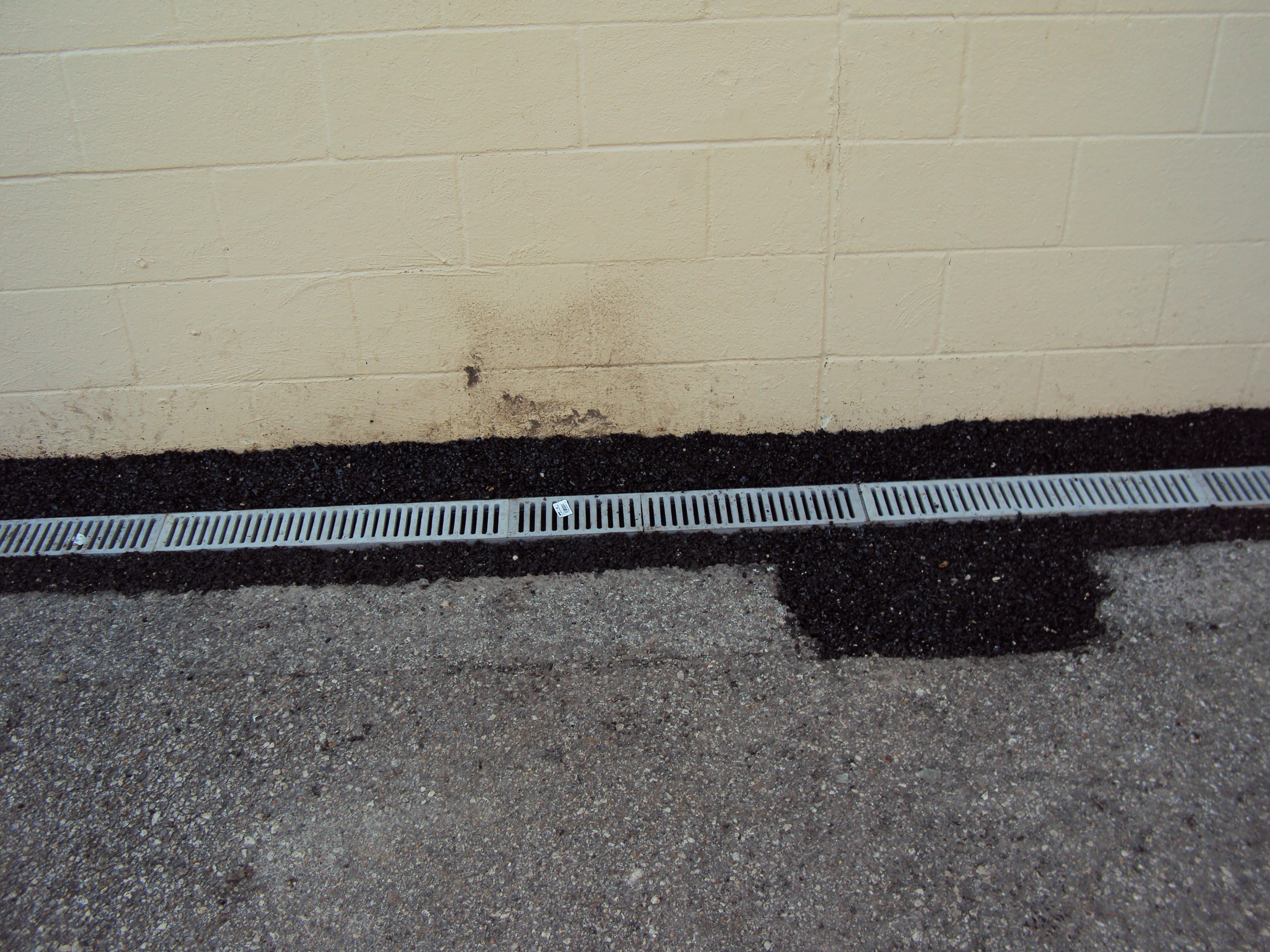
Moisture and structural damage often appear together in basements, so we encourage homeowners to stay alert to early changes. Wet or damp floors, pooling water at wall edges, and visible leaks at cracks in the slab or along the joint between the floor and footer may point to moisture problems that can grow over time. White, chalky deposits on walls, mildew stains, and musty odors also suggest ongoing moisture that may influence home air quality and basement storage plans.
Cracks in basement walls, bowing or tilting walls, and signs of settlement can indicate structural damage that may call for basement repair and foundation repair. Documenting these symptoms and photographing problem areas before a Certified Structural Technician visit helps our technicians trace water paths, evaluate potential risks to appliances or electrical components, and discuss options that may help support long-term performance for the home.
Scheduling a Free Evaluation and What to Expect
When homeowners schedule a free evaluation, a Certified Structural Technician carefully reviews the conditions contributing to a wet or leaky basement, cracked walls, or bowing walls. During this visit, we look for how water is moving through floor cracks, over or under the footer, through wall and mortar-joint cracks, or from sweating walls and window areas. We also observe signs that hydrostatic pressure may be contributing to tilting, bowing, or stressed walls and possible foundation settlement.
After the assessment, our technician explains whether interior basement waterproofing, exterior moisture management, or a combination with French drain installation and sump pump components may help manage water intrusion. Homeowners receive a clear condition summary, a recommended repair approach, general installation timelines, and a high-level cost range so they can make informed decisions about basement repair and foundation repair that reflect their comfort level and goals.
Interior Basement Waterproofing Explained
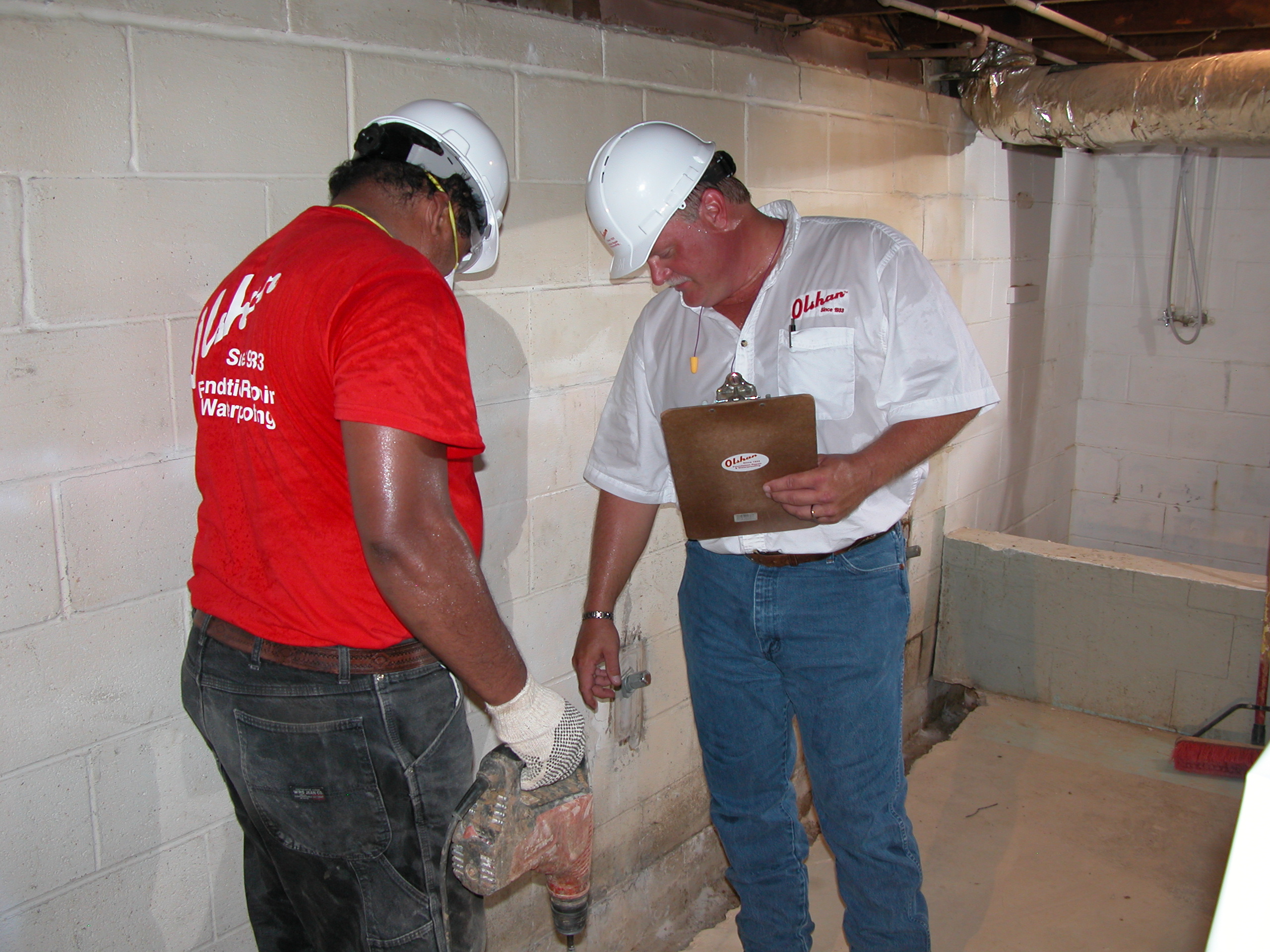
With interior basement waterproofing, we accept that water may reach the inside of the structure at floor cracks, wall joints, or over and under the footer, then deliberately manage it away before it can pool. A Certified Structural Technician evaluates where water is getting in and designs an interior drainage path that typically includes concrete breakout along the basement perimeter, except where a monolithic slab is present. This interior pathway is planned so water is guided toward a collection point instead of standing on the floor or around stored items.
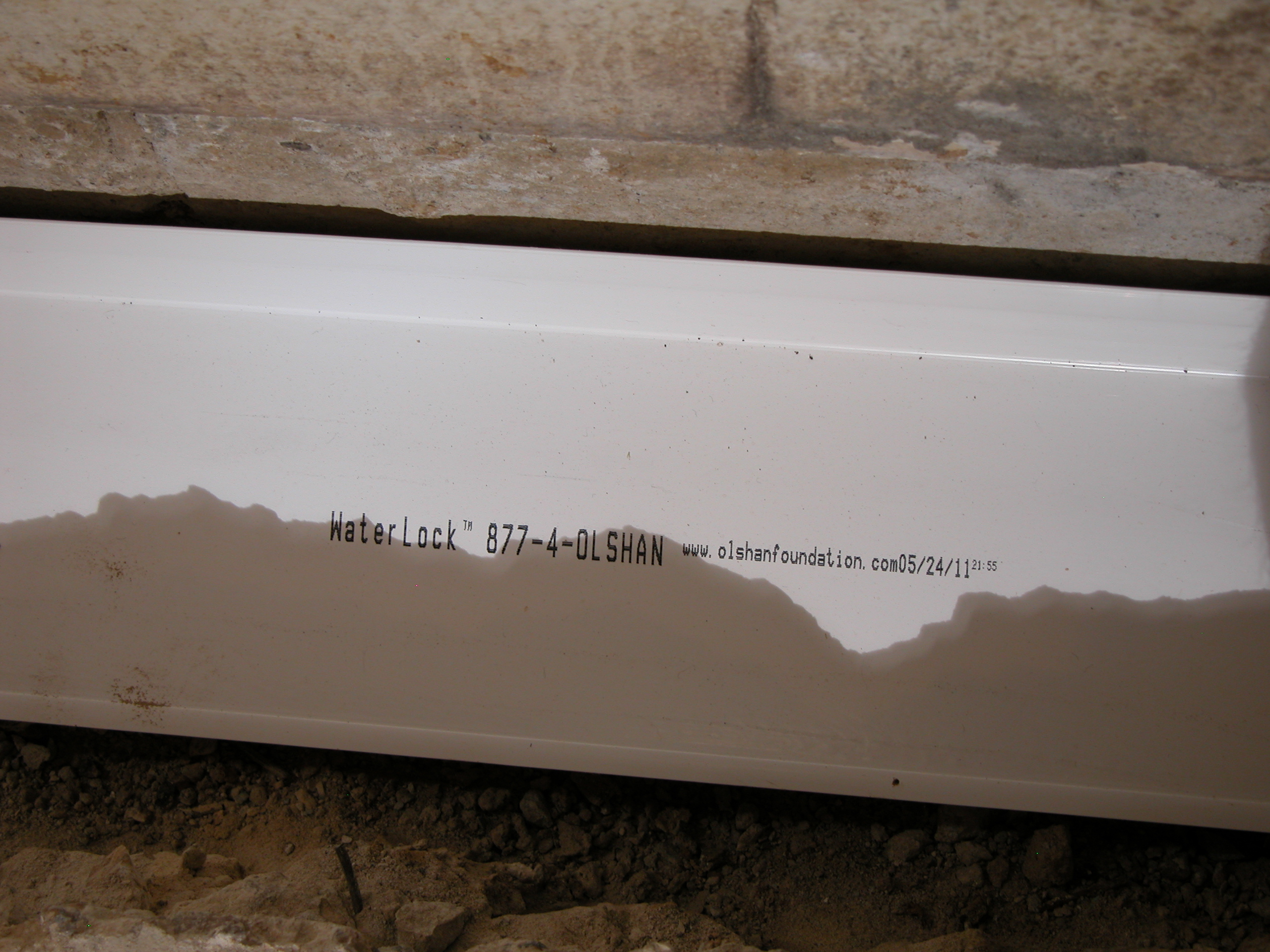
We then install an interior drainage channel with segmented pipe and rock, connected to a sump pump basin that helps collect and discharge water. Our Water Lock™ Plus interior system sits inside the basement, helping capture water from multiple entry points and directing it to the sump pump. Optional Wall Shield vapor barriers help manage moisture on basement walls so interior basement waterproofing can support both structural performance and home air quality.
Exterior Basement Waterproofing Options
Exterior basement waterproofing focuses on managing intrusive moisture before it reaches basement walls or the slab. Our Certified Structural Technician identifies how water is moving through the surrounding soils and where it is exerting hydrostatic pressure on the structure. When conditions call for this approach, technicians excavate along the basement wall so we can expose the foundation surface for preparation and access.
We then install a continuous exterior moisture barrier and dimple board as part of exterior wall waterproofing, which is purpose-built to help direct water down toward exterior drains instead of allowing pressure to bear directly on the wall. At the base of the wall, we may install footer drains with gravel fill to help collect and guide water away from the basement. This approach can be useful when interior disruption is not desirable or when subsurface water around basement walls is a primary concern for the homeowner.
Comparing Interior and Exterior Waterproofing Approaches
When we compare interior and exterior basement waterproofing options, we look at how each may perform under the specific conditions present in Gallatin. Interior systems usually involve concrete breakout, installation of Water Lock™ Plus drainage components, sump pumps, and sometimes full interior wall waterproofing with Wall Shield vapor barrier. This path often offers shorter installation times and easier service access while helping manage water that enters through floor cracks, over the footer, or from bleeding walls driven by hydrostatic pressure.
Exterior methods focus on excavating along basement walls, applying an exterior moisture barrier with dimple board, and installing drainage such as footer drains or French drain installation where appropriate. For some homes, a hybrid plan may combine interior and exterior elements to help manage both subsurface water and interior seepage. A Certified Structural Technician weighs how finished the basement is, the extent and pathways of water intrusion, soil behavior, and budget to outline a plan that may help support long-term performance.
Water Lock™ Plus and Evolving Waterproofing Technology
Evolving waterproofing technology has moved from simple drains to integrated interior systems that help manage multiple water entry points. Earlier designs such as pipe-and-rock drains or exposed channels can clog in surrounding dirt, struggle with high-volume flows, or allow moisture and humidity to linger along basement walls. More modern systems add under-floor drainage and interior channels to improve how water is collected and directed toward a sump pump discharge location.
We focus on the Water Lock™ Plus system as an interior discharge approach that sits inside the basement, interfaces with under-floor drains, and works with sump pump discharge to help manage intrusive water. Multiple capture points, clog-resistant placement, and an accessible layout help technicians service components over time so homeowners can maintain performance as site conditions evolve. This focus on evolving waterproofing technology supports coordinated basement repair and foundation repair planning for local properties.
Integrating Foundation Repair and Long-Term Home Protection
Basement waterproofing alone often addresses how water is collected and redirected after it reaches the structure. Our Certified Structural Technician also evaluates foundation repair needs because intrusive moisture and hydrostatic pressure can contribute to settlement, bowing or tilting walls, and loss of usable basement space. By reviewing structural repair, water management, and air quality together, we help create coordinated plans that serve the whole home and support long-term stability.
In some situations, we may recommend combining foundation repair methods with systems such as footer drains with gravel fill, French drain installation, under-floor drainage, and sump pumps. Interior wall repair, vapor barriers, and dehumidifiers can further support wall performance and home air quality. This integrated approach helps reduce the risk of structural damage progressing while also addressing the day-to-day concerns of dampness, musty odors, and reduced storage or living space.
Air Quality, Maintenance, Cost Considerations and Next Steps
Moisture that seeps into a basement can contribute to mold, mildew, and poor home air quality, so we focus on managing humidity at the source. Basement dehumidifiers and air quality systems can be paired with interior or exterior basement waterproofing to help manage excess moisture that may otherwise circulate throughout the home. When we recommend a plan, a Certified Structural Technician reviews structural conditions, water intrusion paths, and indoor air concerns together to align the approach with homeowner goals.
We emphasize cost-effective solutions that reflect homeowner goals, including convenient payment plans and free estimates that help clarify investment expectations. For homeowners in Gallatin, scheduling a free evaluation is a practical next step to understand which combination of basement waterproofing, basement repair, and foundation repair may best support long-term performance. Protecting a home’s lower level helps support the entire structure and can preserve valuable storage or living space over time. Contact us, to protect your home’s foundation and basement with professional guidance from our team.