Foundation Repair for Liberty, MO Homes
Foundation problems in Liberty can feel overwhelming, especially when cracks, sloping floors, or sticking doors seem to appear out of nowhere. We understand how quickly concerns about safety, comfort, and property value can grow when structural questions arise. With more than 90 years of experience, we focus our Foundation Repair services on understanding how soil, moisture, and structural loads interact so we can help support long-term stability. Our Certified Structural Technician leads a detailed evaluation of visible symptoms and underlying conditions to help identify what is happening beneath the surface before we recommend any Professional Foundation Solutions.
In Liberty, Seasonal Weather Changes, Expansive Clay Soils, and drainage patterns often work together to shift support beneath a home. When that support changes, movement can show up as cracked walls, uneven floors, and doors that suddenly begin to stick. We treat these symptoms as important clues rather than isolated problems. By focusing on root Foundation Causes and pairing them with purpose-built systems such as Cable Lock ST Plus, we can help manage movement, support the structure more effectively, and back many repairs with an Available Lifetime Warranty for qualifying foundation work.
Why Timely Foundation Repair Matters for Liberty Homes
Our Foundation Repair process centers on helping stabilize the structure when soil movement causes the footing to settle, crack, or shift. The foundation carries the load of walls, floors, and roof; when that support weakens, stress can transfer throughout the building. We rely on a Certified Structural Technician to study soil behavior, drainage conditions, and visible symptoms so the underlying Foundation Causes are understood, not just the surface cracks described in our foundation problems overview. This approach helps us relate what homeowners see inside the house to what is happening beneath the slab or crawl space.
In Liberty, Seasonal Weather Changes often drive repeating wet and dry cycles in supporting soils. As moisture levels rise, Expansive Clay Soils can swell; as they dry, they shrink. Over time, this expansion and contraction may loosen support beneath portions of the foundation and contribute to settlement, tilting, or cracking. Poor drainage, standing water near the structure, or downspouts that discharge at the base can intensify these movements. When we combine careful diagnostics with proven Foundation Repair methods, we can help reduce the risk of ongoing movement and support structural integrity more effectively.
We also recognize that Home Foundation Problems involve long-term property decisions. Ignoring early warning signs can allow minor symptoms to grow into more complex work later. By focusing on accurate evaluation and purpose-built support systems from the beginning, we aim to help protect home value, comfort, and safety while providing clear information about options and expectations.
Recognizing Early Signs of Home Foundation Problems
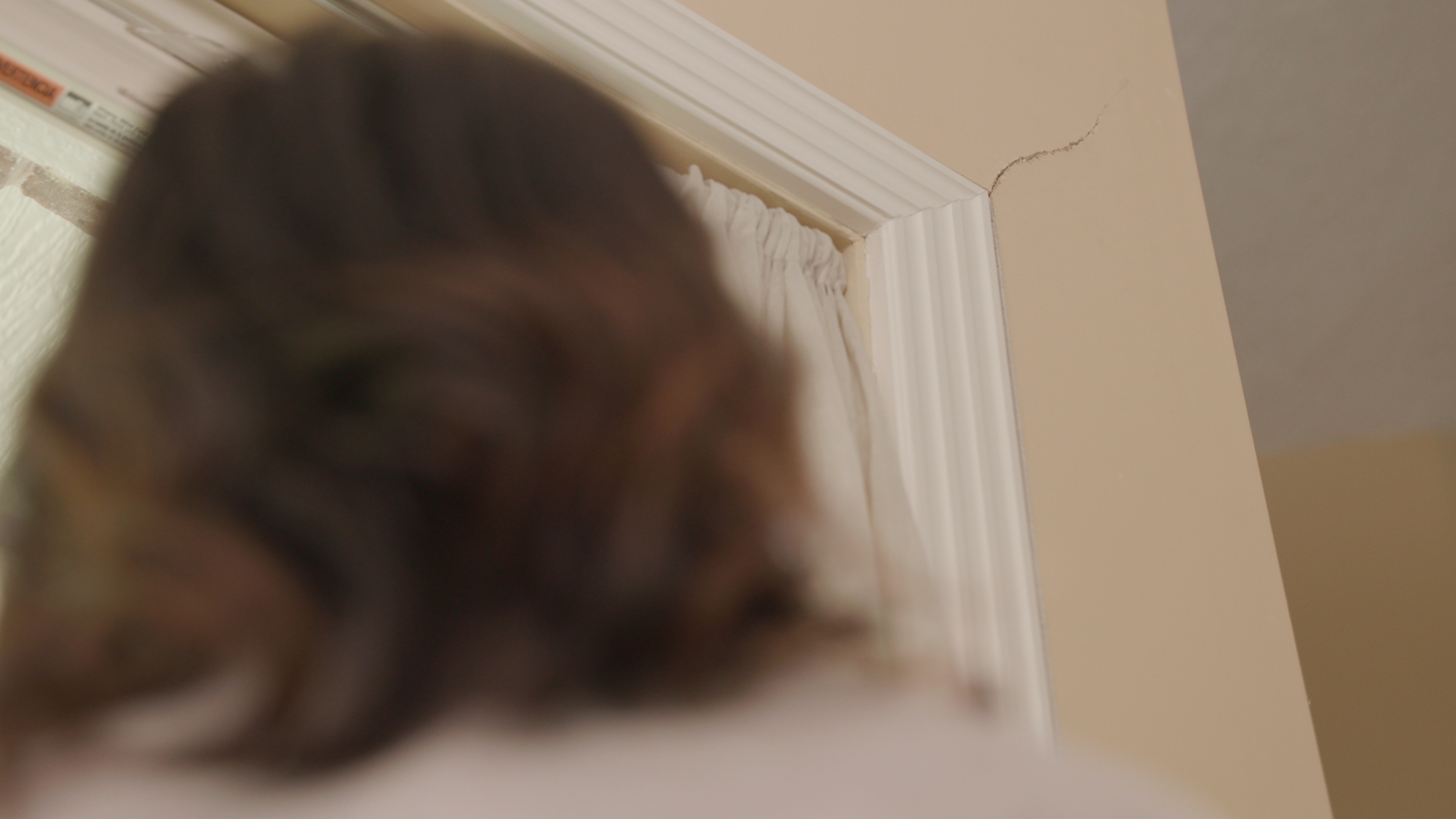
Early, visible clues of Home Foundation Problems often appear in finished surfaces before homeowners suspect deeper issues. Interior wall or ceiling fractures that radiate from doorways or form stair-step patterns may signal underlying movement, particularly when combined with doors that begin to stick, scrape, or fail to latch smoothly. Floors that feel uneven, show cracks, or separate from baseboards can indicate that different sections of the structure are moving at different rates.
In many Liberty homes, we see trim, molding, and built-in cabinets that pull away from walls or no longer sit flush as subtle indicators of shifting support. Outside, gaps around window or door frames, visible cracks in exposed foundation surfaces, or separations at corners may point toward settlement or heave. Pavement or flatwork near the structure that slopes toward the house instead of away can encourage water to collect at the perimeter, adding to soil movement.
We encourage homeowners in Liberty to walk through each room periodically and take note of new or changing conditions. Photographing cracks, documenting door or window behavior, and noting when symptoms appear relative to heavy rain or dry spells can be helpful. These observations give our certified technicians a clearer starting point during a Structural Assessment and may help reduce the risk of more invasive work by addressing concerns earlier.
How Liberty Soil and Weather Create Foundation Causes
Many Home Foundation Problems in Liberty trace back to a small group of recurring Foundation Causes. Seasonal Weather Changes create cycles of wet and dry soil, especially in areas dominated by Expansive Clay Soils. When clay soils absorb water, they increase in volume and can push against the foundation; when they dry, they shrink and may leave voids beneath slabs or footings. This continual expansion and contraction can gradually shift support and contribute to both settlement and uplift in different parts of the same structure.
Drainage patterns play a major role in how strongly these moisture cycles affect a home. Surfaces graded toward the structure, missing or undersized gutters, or downspouts that discharge near the base of the wall can concentrate water along portions of the foundation. Over time, this can create softer soil zones that move more under load, while drier areas remain comparatively firm. Tree and shrub roots may further change moisture balance by drawing water from some areas while leaving others saturated. In addition, under-slab plumbing leaks can create local zones of chronic saturation that disturb support beneath slabs or footings.
Our Certified Structural Technician pays close attention to how these factors interact around each Liberty property. We look for patterns among cracks, sloping floors, and exterior signs to determine whether Expansive Clay Soils, drainage, vegetation, or plumbing issues are contributing to movement. By understanding these Foundation Causes, we can better match Professional Foundation Solutions to the specific mechanisms at work, rather than applying the same approach to every home.
Consequences of Delaying Structural Foundation Solutions
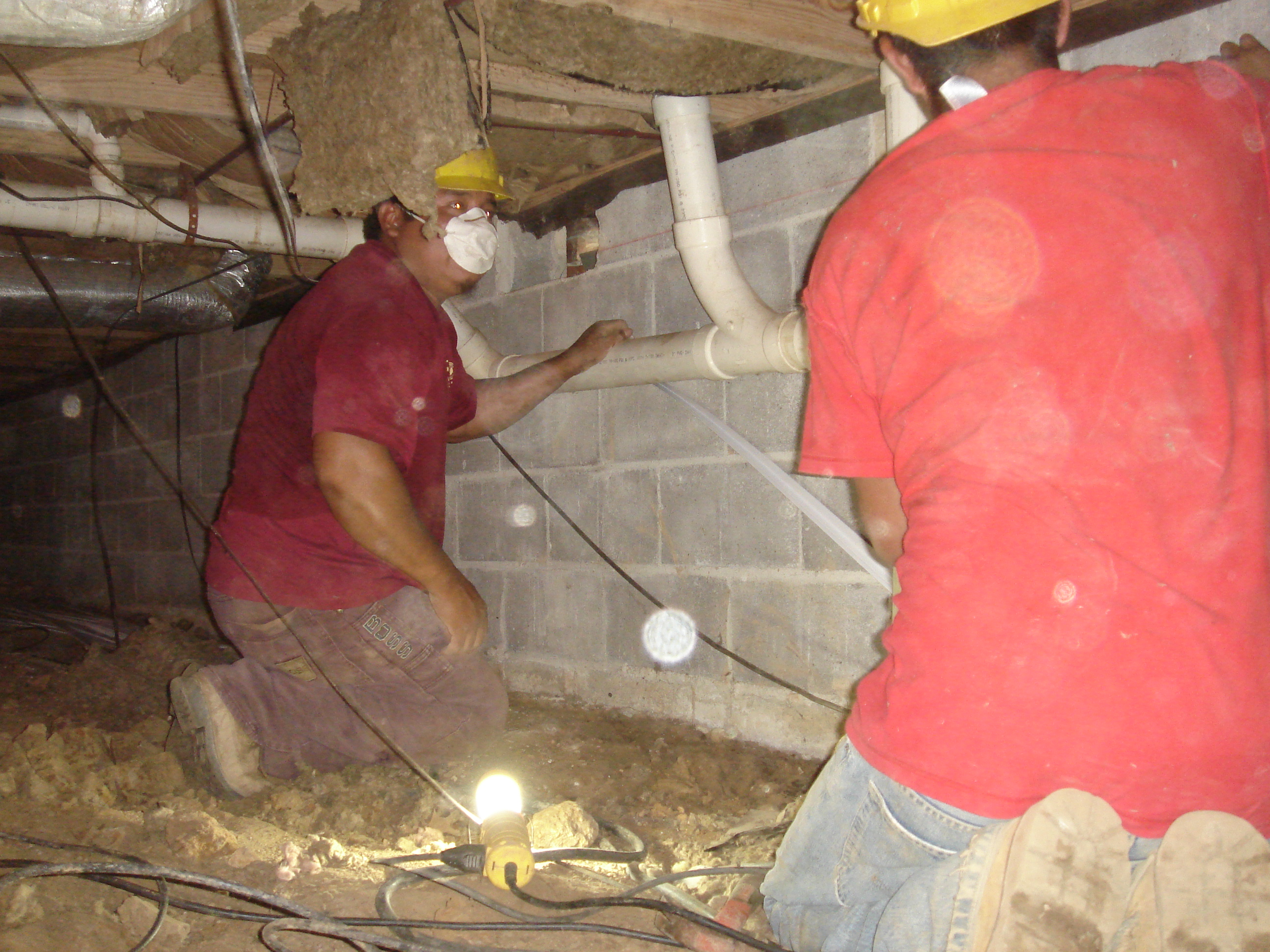
When structural movement continues unchecked, Foundation Repair often becomes more complex and disruptive than it needed to be. As soils expand, contract, or wash out beneath the structure, stress travels into framing, finishes, and mechanical systems. Minor cracks may widen or extend, gaps around doors and windows can grow, and floors may develop more pronounced slopes. Over time, these changes may contribute to damage to underground plumbing, insulation, and even roof framing as the building attempts to adapt to uneven support.
We also see how delayed action can affect comfort and safety in Liberty homes. Sticking doors and windows may reduce emergency egress options, while shifting framing can put added strain on gas and water lines. Electrical components may also experience stress where conduits or boxes move relative to framing. In many cases, homeowners who wait until symptoms feel severe face more extensive interior work in addition to structural support measures.
From a financial perspective, postponing Foundation Repair can increase both direct and indirect costs. Structural movement rarely improves on its own when the underlying causes remain active. By addressing issues when cracks are smaller and slopes are milder, we can often help limit how far damage spreads into finishes and connected systems, which may support a more straightforward repair path and help protect long-term property value.
Comparing Foundation Repair Methods and Cable Lock ST Plus
When we evaluate Foundation Repair options, we look at how each method interacts with the soil conditions present in Liberty. Shallow concrete pads depend on near-surface soils that are often most affected by Expansive Clay Soils and Seasonal Weather Changes, so they may offer limited long-term stability despite lower initial cost. Deeper drilled piers can reach more stable layers, but installation is slower and requires careful control to manage spoil removal and drilling accuracy.
Driven steel piers are designed to reach deeper strata efficiently and can often be load tested during installation. However, bare steel elements remain exposed to corrosion potential and may require breaking out sections of the existing footing for access. Simple pressed pilings rely on stacked segments driven by the structure’s weight, which provides some feedback on soil resistance but leaves the system more vulnerable to buckling or misalignment where soil layers vary significantly in strength.
Our Cable Lock ST Plus hybrid piling system was developed to address several of these concerns by combining concrete sections for bearing area with steel segments for depth, linked together by a central cable. As described in our evolution to revolution overview, this approach aims to help reach deeper, more stable soils while maintaining a larger contact area and reducing surface disruption. By comparing these options side by side for each home, our technicians can recommend Professional Foundation Solutions that better align with site-specific soil behavior.
How the Cable Lock ST Plus System Helps Liberty Homes
Cable Lock ST Plus is a hybrid underpinning method that combines concrete pilings with penetrating steel pilings connected by a tensioned cable. The concrete components are designed to provide a broad bearing surface to help distribute structural loads across more soil, while the steel segments allow us to penetrate deeper, more stable strata beneath zones influenced by Seasonal Weather Changes. The central cable helps tie these elements into a continuous support unit so they act together under load.
This configuration allows our Certified Structural Technician to monitor soil resistance during driving and adjust depth as needed until appropriate support conditions are reached. Because the system is purpose-built for areas with Expansive Clay Soils and variable moisture, it can help reduce the risk of differential movement between supported sections. Many Cable Lock ST Plus installations qualify for an Available Lifetime Warranty on the foundation portion of the work, giving homeowners added confidence that we stand behind both the product and the installation practices.
In Liberty, where soil and weather conditions can vary across relatively small areas, this hybrid system helps us adapt to different profiles beneath the same structure. We can use Cable Lock ST Plus to help support slabs, crawl space perimeters, and other foundation types while coordinating with drainage improvements or plumbing repairs as needed. This flexibility allows us to integrate structural support with broader site management strategies.
Cracked Foundation Repair and Structural Stability
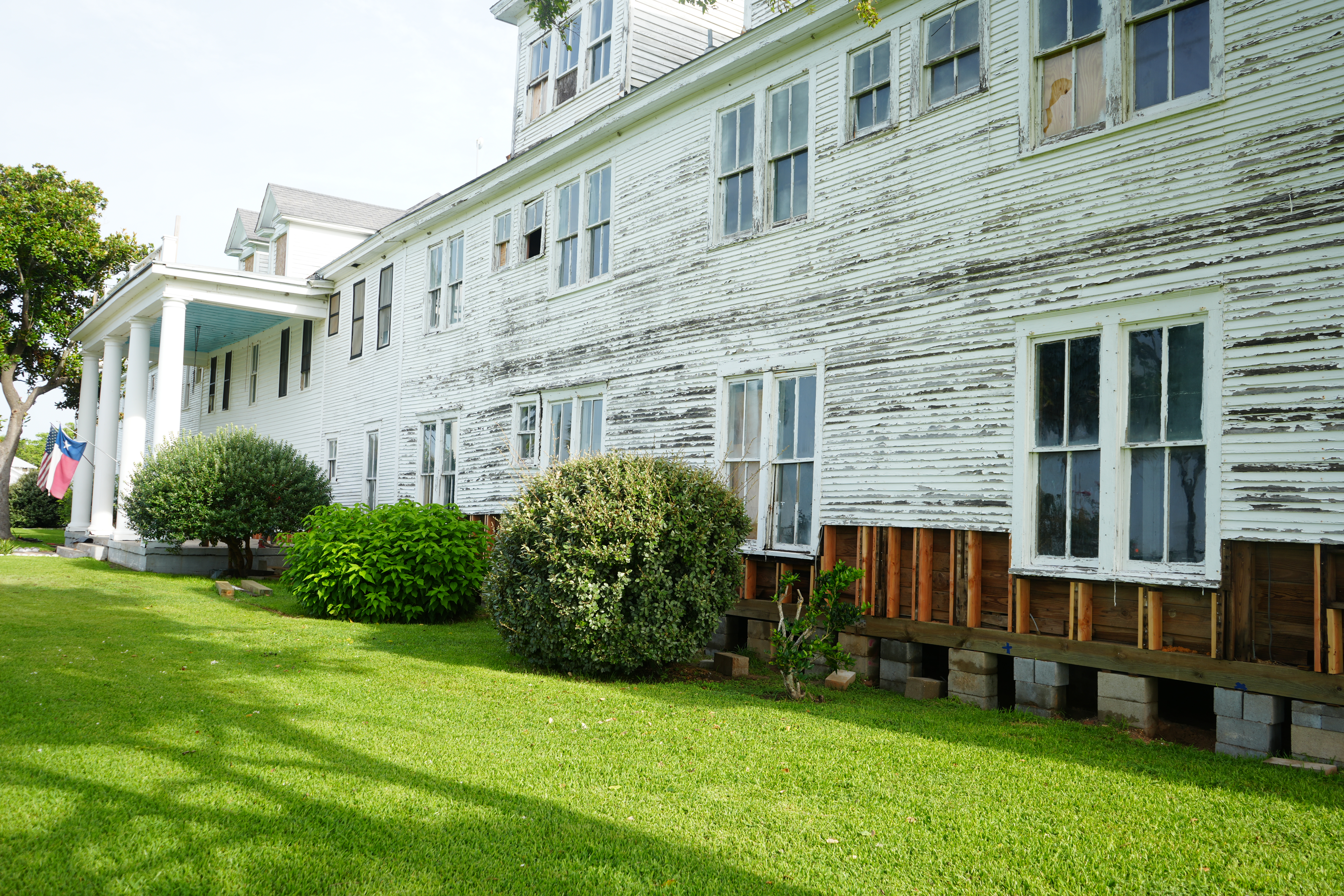
Cracked Foundation Repair needs in Liberty require more than surface patching. When cracks appear in slabs, walls, or footings, our first step is to understand how soil movement, drainage, or under-slab leaks may be shifting support. A Certified Structural Technician evaluates whether cracks are primarily cosmetic or tied to active settlement, heave, or lateral pressure. We look at crack orientation, width, and location relative to doors, windows, and corners to help distinguish between minor shrinkage-related fractures and movement-related damage.
When ongoing movement is present, we focus on underpinning and support measures that help transfer loads to more stable soil, rather than simply filling visible gaps. Cable Lock ST Plus allows us to help support and, where feasible, help raise affected sections toward a more level condition by engaging deeper bearing strata. As support improves, we may see cracks narrow or stop progressing, which then allows coordinated cosmetic work to have a better chance of holding up over time.
By treating cracked foundations as structural questions rather than just appearance issues, we can help homeowners prioritize repairs that address both safety and aesthetics. Many structural solutions for Cracked Foundation Repair qualify for our Available Lifetime Warranty on the foundation portion, reflecting our confidence in the system’s ability to help manage movement over the long term when combined with appropriate drainage and site adjustments.
What To Expect During a Structural Assessment and Estimate
During a typical Structural Assessment in Liberty, our Certified Structural Technician spends focused time evaluating how soil and moisture conditions are affecting the structure. We start by reviewing visible symptoms such as cracks, sloping floors, or sticking doors, then relate those observations to known Foundation Causes including Seasonal Weather Changes, Expansive Clay Soils, poor drainage, trees and tree roots, and potential under-slab plumbing leaks. This step-by-step process helps ensure that Professional Foundation Solutions address both symptoms and contributing factors.
We then study conditions around the exterior of the home, looking for areas of saturated or unusually dry soil, signs of ponding water, and locations where gutters or downspouts may be concentrating runoff. We may ask homeowners about the history of leaks, prior work, or seasonal changes they have noticed. Photographs, simple sketches, and notes collected by the homeowner can be especially helpful in documenting how symptoms have evolved over time.
At the conclusion of the visit, we prepare a written, no-obligation estimate that outlines observed conditions, contributing causes, recommended Foundation Repair methods, and a projected installation scope. When Cable Lock ST Plus or similar systems are recommended, we explain how they interact with the home’s specific soil and moisture conditions, and we clarify how the Available Lifetime Warranty applies to qualifying foundation elements. This information helps homeowners make informed decisions about the best way to help protect their structure before problems progress further.
Warranty Coverage, and Long-Term Support
We recognize that Foundation Repair is a significant investment, particularly when work involves multiple areas of a home or complex soil conditions. Our Available Lifetime Warranty on qualifying foundation projects, including many Cable Lock ST Plus installations, is designed to provide long-term coverage for the supported portions of the structure. In many cases, this Lifetime Transferable Warranty can be transferred to subsequent owners, which may help support perceived value when properties change hands. We explain specific terms and coverage details in writing so expectations remain clear.
Beyond initial work and warranty coverage, our decades of experience mean we remain available to evaluate new concerns that may arise as site conditions evolve. Seasonal Weather Changes, landscaping modifications, and property improvements can all influence how soil behaves. By maintaining records of prior work and staying engaged with Liberty homeowners over time, we can help support ongoing structural performance and peace of mind.
Practical Next Steps for Liberty Homeowners
For homeowners in Liberty who are noticing signs of movement or Home Foundation Problems, a simple, organized approach can make decisions easier. First, walk through the home and around the exterior to document visible symptoms such as wall or ceiling cracks, sloping or separated floors, sticking doors or windows, and changes near the foundation or adjacent flatwork. Note when symptoms first appeared and whether they seem to worsen after heavy rain or extended dry spells, since these observations can offer clues about how Seasonal Weather Changes are influencing soil behavior.
Next, consider how known Foundation Causes may be present on the property. Look at drainage patterns, downspout discharge points, and areas where water may collect against the foundation. Note large trees or dense landscaping close to the home, and consider any history of plumbing leaks. Bringing this information to our Certified Structural Technician during a Structural Assessment helps us tailor our evaluation and focus on the most likely contributors.
Finally, review the written estimates and recommendations carefully, comparing how each option addresses underlying causes, not just visible symptoms. Pay attention to which proposals offer Professional Foundation Solutions such as Cable Lock ST Plus, how those systems interact with local soil conditions, and what kind of warranty coverage, including any Lifetime Transferable Warranty, is available. Protecting your home’s structure is an important step toward safeguarding comfort, safety, and value. Our team is ready to help through every phase of that process. Contact us
Frequently Asked Questions About Foundation Repair in Liberty, MO
What Are Common Signs of Home Foundation Problems?
Common signs include new or widening wall cracks, doors or windows that begin to stick, sloping floors, gaps at trim or cabinets, and exterior fractures along visible foundation surfaces.
How Do Expansive Clay Soils Affect My Home?
Expansive Clay Soils swell when wet and shrink when dry, which can gradually shift support beneath slabs or footings and contribute to both settlement and uplift over time.
When Should Homeowners Schedule a Structural Assessment?
Homeowners often benefit from a Structural Assessment when they notice new cracks, changes after heavy rain or drought, or recurring door and window issues that do not resolve.
What Makes Cable Lock ST Plus Different From Other Methods?
Cable Lock ST Plus combines concrete and steel components tied with a central cable to help reach deeper, more stable soils while maintaining broader bearing support under the structure.
Why Is Warranty Coverage Important for Foundation Repair?
Warranty coverage, including options with a Lifetime Transferable Warranty on qualifying projects, helps provide long-term confidence that supported areas remain covered if concerns arise later.