
Basement Waterproofing for Olathe, KS Homes
Basement leaks, musty odors, and cracked walls can create real stress for homeowners in Olathe. We understand how frustrating it feels to see water return after every heavy rain or snow melt. With more than 90 Years of Experience, we focus our Basement Waterproofing Solutions on the way water moves through soil, concrete, and block so we can help manage moisture, support structural integrity, and align with your long-term Home Improvement Goals. Our Certified Structural Technicians carefully study where water is entering, how it affects air quality and finishes, and which interior or exterior options may be most practical for your property and budget.
This page explains how we look at basement moisture, the risks of leaving leaks unresolved, and how our interior and exterior systems, drainage components, and Indoor Air Quality Solutions work together. We also outline what happens during a free evaluation, how we approach Repairing Cracked Walls, and ways to pursue Cost-Effective Waterproofing that supports both comfort and safety in your home.
Understanding Basement Moisture Problems
Basement foundations in Olathe are naturally vulnerable because surrounding soils can hold excess water that builds pressure against floors and walls. This pressure, known as hydrostatic pressure, pushes water until it finds an opening. Since water follows the path of least resistance, even small gaps or cracks can become significant Moisture Problems over time as seepage patterns expand and finishes begin to stain or deteriorate. Homeowners can see several examples of how this happens in our overview of five ways water enters your home.
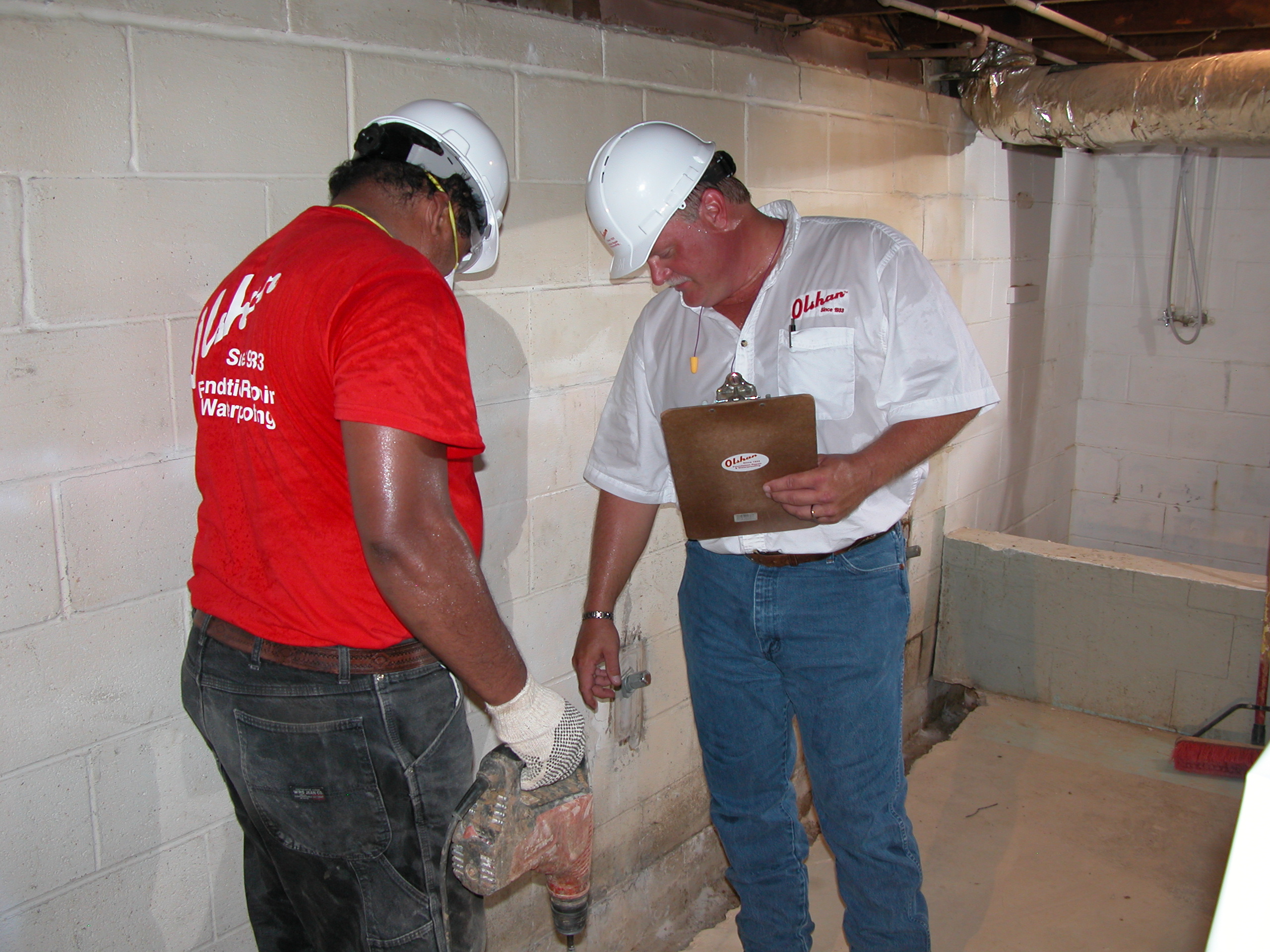
Common entry points include floor cracks, the space between the poured floor and the footer, and areas under the footer where subsurface water can migrate upward. Water can also appear through sweating walls or window sills, over the footer at the joint between wall and footing, and through cracks in walls and mortar joints that develop as soils expand and contract. Our Certified Structural Technician evaluates how these openings relate to water movement and can recommend targeted Basement Waterproofing Solutions that help manage the most active pathways.
Early attention from a certified professional can help manage issues when they are limited to damp spots, mildew staining, or small areas of pooling, before they contribute to bowing walls, loss of usable living space, or declining indoor air quality. When we address seepage early, we have more flexibility to suggest phased upgrades, combine water management with air quality improvements, and keep more of the existing finishes in place.
Health and Structural Risks of Unresolved Water Intrusion
When basement leaks are ignored, moisture often migrates through cracks, sweating walls, and over the footer, progressively worsening over time. As water accumulates, it can contribute to mold, mildew, and allergy-related concerns, along with consistently poor indoor air quality that may spread beyond the basement into the rest of the home. Standing water and chronic dampness can also expose electrical components to moisture, increasing risks around electrical panels, outlets, and appliances located in the basement.
Persistent water intrusion places stress on the structure itself. Hydrostatic pressure and saturated soils can lead to settlement, loss of foundation stability, and bowing, cracking, or compression of basement walls. Over time, these issues may reduce usable square footage by making areas feel too damp for storage or living space. By pairing Foundation Repair Services with coordinated Indoor Air Quality Solutions, we work to manage structural movement, help channel water away from sensitive areas, and support healthier air in the home.
We also consider the long-term impact of moisture on finishes and mechanical systems. Repeated wetting of framing, flooring, and insulation can shorten material life, while high humidity around HVAC equipment may contribute to corrosion and efficiency loss. A comprehensive plan that includes drainage, vapor barriers, and dehumidification can help reduce these risks and support the overall durability of the home.
Our Integrated Approach to Basement Waterproofing
Our integrated methodology begins with a detailed evaluation by a Certified Structural Technician, who studies where water is entering, how hydrostatic pressure is affecting basement floors and walls, and how these conditions align with your Home Improvement Goals and budget. Drawing on 90 Years of Experience, we look beyond isolated leaks to see how structural repair, water management, and air quality interact, so recommended solutions address sources rather than a single visible symptom. Homeowners interested in our purpose-built Water Lock Plus system can review its development in our Water Lock Plus evolution article.
Instead of ad-hoc fixes that focus on one crack or damp spot, we consider whether interior or exterior Basement Waterproofing Solutions, sump pumps, French Drain Installation, Wall Shield vapor barriers, or dehumidifiers should work together in a coordinated plan. This integrated approach helps manage seepage paths, support the structure, and reduce humidity that may affect indoor air quality. When conditions allow, we may also phase work so that critical water-control components are installed first, with additional upgrades added as homeowners refine their long-term plans.
Our team explains why each recommendation was made, how components connect, and what kind of maintenance is required to keep systems operating as designed. We also review warranty coverage associated with specific products or systems, such as Water Lock Plus program options described in our Water Lock Plus warranty information, so homeowners understand how ongoing performance is supported over time.
Interior Waterproofing Solutions and When They Apply
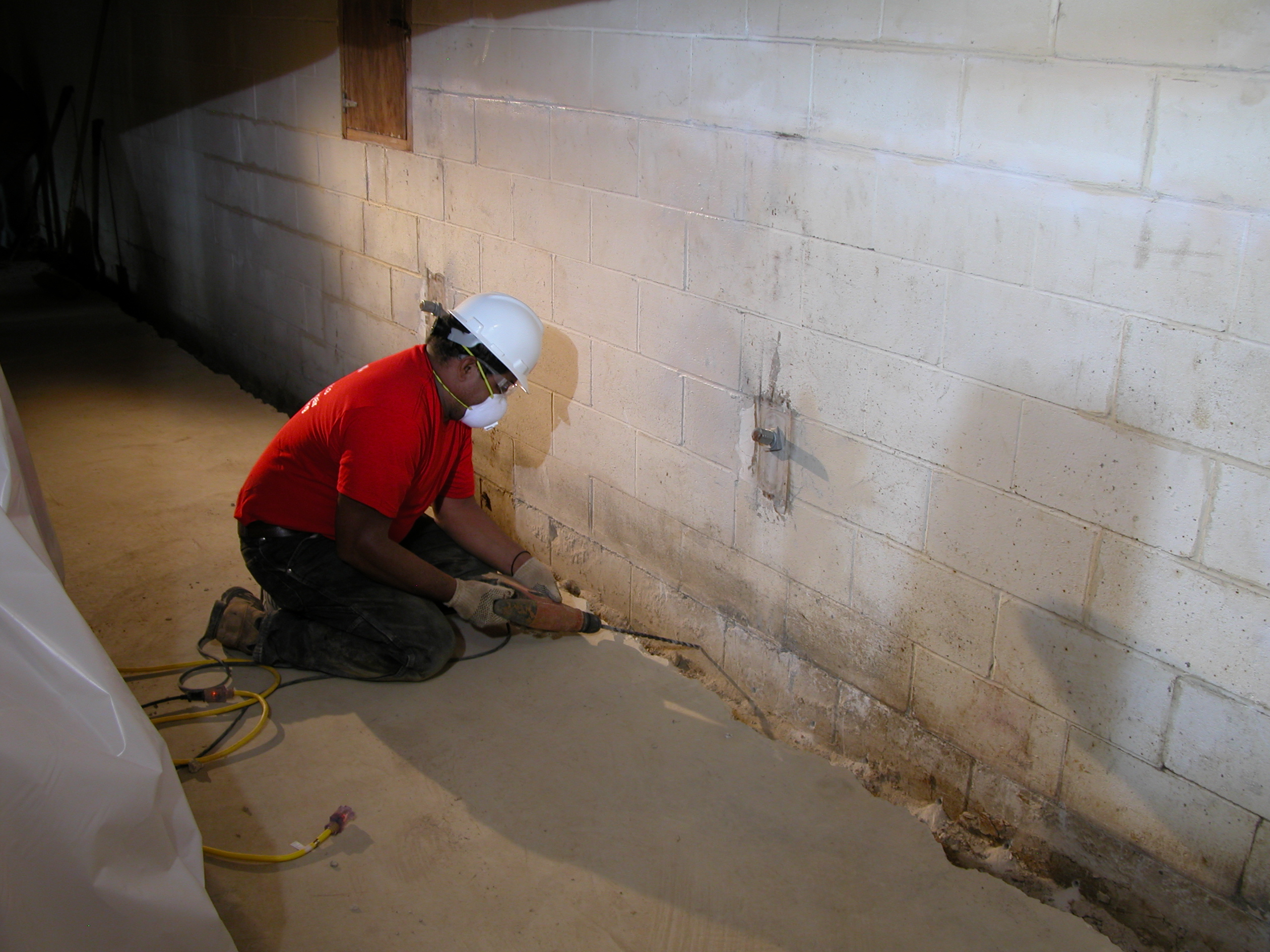
When our Certified Structural Technician recommends interior Basement Waterproofing Solutions, we focus on managing water after it enters instead of trying to block every pathway. Interior systems intentionally capture seepage from floor cracks, wall joints, or the cove joint between the floor and footer, then route it into concealed drainage. Where needed, sections of the slab are removed so drainage components and sump pump basins can be installed, helping move water away more efficiently and often with shorter installation time than exterior excavation.
Our Water Lock Plus system is a purpose-built interior discharge approach that can be paired with Under Floor Drain beneath the footer and a Baseboard Water Channel for monolithic slabs, creating a path that helps relieve pressure and collect seepage into a controlled outlet. Homeowners can learn more about how this system is installed by reviewing our Water Lock Plus installation process, which walks through trenching, piping, and connection steps in detail.
These components are designed to remain accessible for service and are often practical in finished basements in Olathe that require minimal disturbance to interior surfaces. Because they operate along the interior perimeter, they can help manage recurring seepage even when exterior conditions such as soil type and lot layout cannot be easily changed.
Exterior Waterproofing Solutions and When They Apply
When we recommend exterior work as part of our Basement Waterproofing Solutions, a Certified Structural Technician evaluates how water is reaching the basement walls and footer from outside the structure. Exterior work typically begins with excavation along the basement wall, exposing the structure so certified technicians can apply an exterior moisture barrier and install dimple board to help channel water downward instead of directly against the wall. Below grade, drainage components such as a footer drain with gravel fill and surface drains are added to help move pooling water away and reduce hydrostatic pressure before it reaches interior surfaces.
Exterior systems are especially useful when the basement is finished and interior disturbance would be highly disruptive, or when there is significant surface water accumulation near the foundation. Because water is managed outside the wall, this approach can help reduce the amount of moisture that ever reaches concrete or block. To understand more about how exterior barriers, drains, and backfill preparation work together, homeowners can review our detailed exterior basement wall waterproofing process, which outlines key steps and materials.
Exterior projects usually require more installation time than interior systems because of excavation and restoration, and a sump pump system may or may not be necessary depending on site slope and discharge options. During our planning, we explain these tradeoffs so homeowners can weigh disruption, timelines, and long-term goals when choosing between interior, exterior, or combined approaches.
Key Basement Waterproofing Products and Systems
Our Certified Structural Technician evaluates where water enters the basement, then selects targeted Basement Waterproofing Solutions from a proven toolset. Water Lock Plus is an interior discharge system installed along the perimeter to capture water at the cove joint and floor cracks, then move it to a sump or gravity outlet. To see how this system is installed step by step, homeowners can review our Water Lock Plus installation guide, which illustrates trenching, piping, and connection details.
Pipe & Rock, Segmented Pipe, Under Floor Drain, and Double Barrel Drain form subsurface collection paths that help reduce hydrostatic pressure under and alongside the footer. For monolithic slabs, a Baseboard Water Channel and Surface Glue Down system manage water at the surface without cutting the slab, an approach described further in our monolithic slab waterproofing guidance. Wall Shield creates an interior-facing moisture and vapor barrier on basement walls, directing seepage into the drainage system and helping protect interior finishes, as outlined in our Wall Shield interior moisture barrier overview.
On the exterior, wall coatings, dimple board, surface drains, footer drains with gravel fill, downspout extensions, French Drain Installation, and gravity discharge work outside the foundation to help move water away before it enters the structure. Sump pump basins, sump pumps, and basement dehumidifiers support interior water removal and humidity control. Homeowners can explore sump pump and discharge options in more depth by visiting our page on sump pumps and gravity discharge, which explains how basins, pumps, and outlets connect for effective water removal.
Repairing Cracked Walls and Structural Repair Options
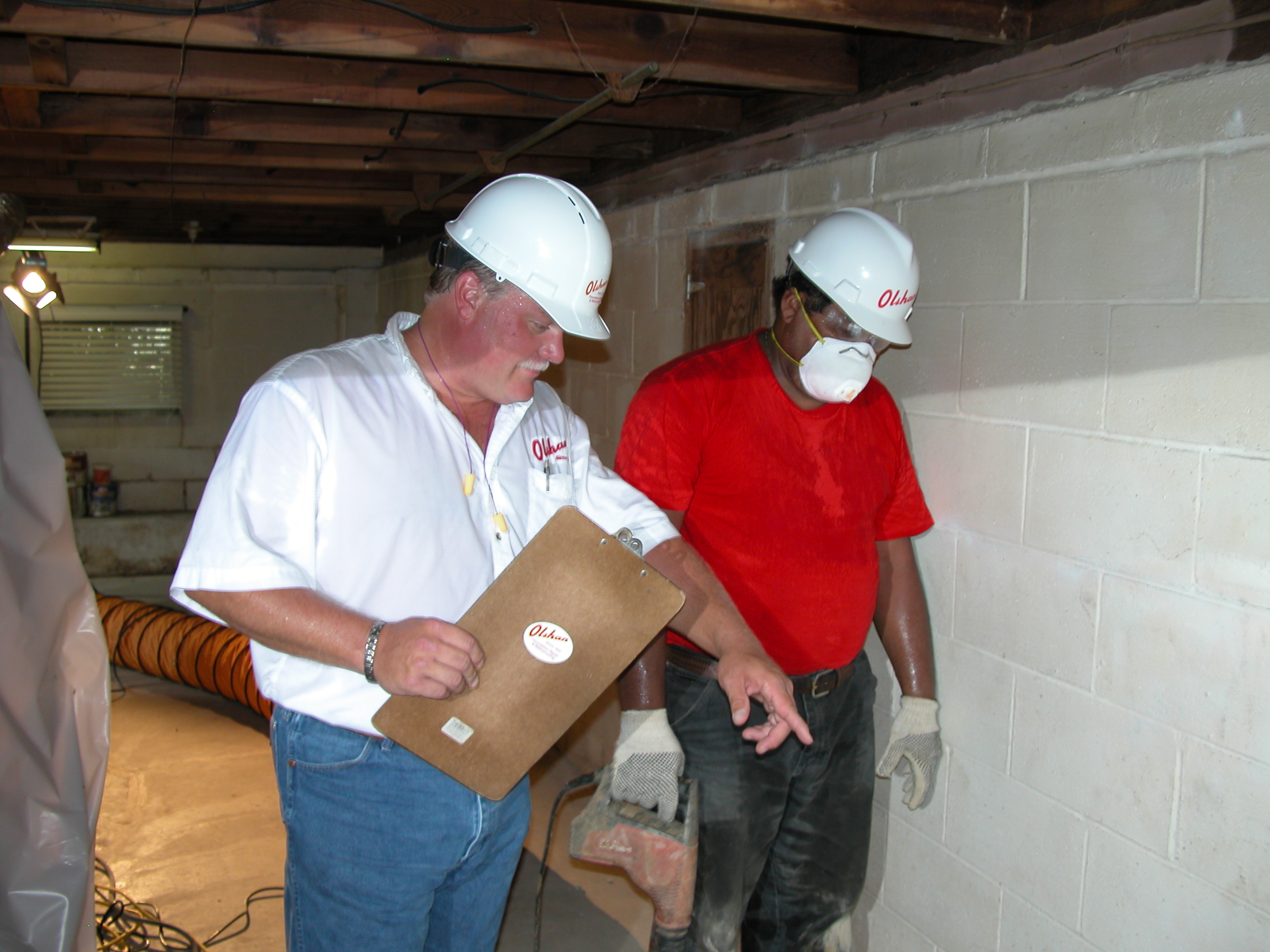
Our Certified Structural Technicians begin Repairing Cracked Walls by determining why the wall moved in the first place. Excess moisture around the foundation can create hydrostatic pressure against basement walls, while clay soils expand and contract over time. This combination can lead to cracking, bowing, or tilting walls, as well as gaps at mortar joints, over the footer, or between the footer and floor. We then recommend structural repairs that work in tandem with interior or exterior Basement Waterproofing Solutions, sump pumps, and French Drain Installation to help manage water before it builds damaging pressure.
By integrating structural adjustments with water management systems such as interior drainage channels, under-floor drains, vapor barriers, and dehumidification, we help support long-term foundation stability and reduce the risk of recurring movement. Our goal is to support structural integrity while also helping homeowners reclaim basement living space. When cracks are addressed early, there is often greater flexibility in the repair plan, and we can more easily coordinate structural work with interior finishes, storage needs, and future remodeling plans.
Cost-Effective Waterproofing Strategies for Olathe Homes
Investment level is often a deciding factor for Olathe homeowners, so our first step is connecting you with a Certified Structural Technician to evaluate conditions at no charge. During this free estimate, we review whether interior or exterior Basement Waterproofing Solutions are more appropriate, since interior systems with Water Lock Plus, sump pumps, or Wall Shield involve different installation steps than excavation and exterior moisture barriers. We also examine how much structural repair, water management, and air quality work is needed, because addressing only part of the problem may leave moisture pathways and hydrostatic pressure unmanaged.
To keep Cost-Effective Waterproofing aligned with Home Improvement Goals, we discuss convenient payment plans, phased repair options, and whether added components like basement dehumidifiers or French Drain Installation are recommended. We explain how combining foundation, drainage, and air quality work in a single plan can help reduce disruption and support long-term stability. For accurate pricing, we encourage homeowners in Olathe to Schedule Free Evaluation so recommendations match actual site conditions instead of relying on generic estimates.
How an Evaluation Works and Choosing the Right Solution
During a free assessment, a Certified Structural Technician focuses on where water is entering the basement and how it affects living space and storage. We walk the interior with you, looking for floor cracks, gaps between the footer and slab, bleeding or sweating walls, window well moisture, and cracks or bowing in basement walls. We also note whether the slab is traditional or monolithic, since monolithic slabs may call for different interior components such as a baseboard water channel rather than cutting the slab.
We then discuss Home Improvement Goals, including whether the basement is unfinished or already finished as living space, and how homeowners would like to use the area in the future. For some homes, interior Basement Waterproofing Solutions such as Water Lock Plus and sump pumps can help manage water after it enters. In other basements, exterior work can help resist moisture before it reaches interior finishes. In many cases, a combined plan is recommended to help manage both subsurface and surface water. Throughout this discussion, we remain focused on Cost-Effective Waterproofing that balances current needs and long-term plans.
Action Steps and Local Next Steps for Olathe Homeowners
To move from concern to action in Olathe, homeowners can start by walking through the basement after a rain event and noting any damp spots, floor cracks, wall cracks, bowing, sweating walls, or moisture around windows. Documenting where water appears between the footer and basement floor, along mortar joints, or at the base of the walls helps our Certified Structural Technicians understand moisture patterns and how they relate to the exterior layout, landscaping, and drainage.
Before scheduling a visit, it helps to write down questions about interior solutions such as Water Lock Plus, vapor barriers, sump pumps, dehumidifiers, and French Drain Installation, as well as how these systems connect with Foundation Repair Services and Indoor Air Quality Solutions. Homeowners who review our page on Wall Shield interior moisture barriers often arrive better prepared to discuss surface treatments, drainage, and finishing options. Using the evaluation to align technical recommendations with personal goals can help transform a dark, damp basement into a more useful space while supporting the home’s structure.
Frequently Asked Questions About Basement Waterproofing in Olathe
What Causes Most Basement Moisture Problems?
Most basement Moisture Problems arise from hydrostatic pressure as water-saturated soils press against walls and floors. Water then follows cracks, joints, and pores in concrete or masonry, often appearing at the cove joint, through floor cracks, or over the footer. In some homes, monolithic slabs or unique lot grading can concentrate water along particular walls or corners, which is why a detailed evaluation of entry points is so important.
When Are Interior Basement Waterproofing Solutions Appropriate?
Interior Basement Waterproofing Solutions are often recommended when seepage appears at the base of walls, along floor cracks, or through joints that can be intercepted inside the structure. These systems are frequently practical when the exterior is difficult to excavate because of patios, driveways, or property lines, or when homeowners want to limit disruption to landscaping. Interior drainage and sump pumps are also well-suited to managing water that rises from under the slab.
When Is Exterior Waterproofing the Better Option?
Exterior systems tend to be more appropriate when water is clearly reaching the wall from saturated soil or surface runoff that collects near the foundation. They can help reduce the amount of moisture that ever reaches the wall by combining exterior membranes, dimple board, and footer drains. Exterior approaches are also considered when the interior is highly finished and homeowners prefer to minimize work inside the basement.
How Do Basement Waterproofing Solutions Support Indoor Air Quality?
By helping manage standing water and persistent dampness, basement systems support Indoor Air Quality Solutions that address humidity, musty odors, and potential mold conditions. Drainage channels, vapor barriers, and dehumidifiers work together to reduce moisture, which can support cleaner air movement from the basement into upper levels of the home.
What Happens During a Free Evaluation?
During a free evaluation, a Certified Structural Technician observes where water appears, reviews cracks and wall movement, and identifies how site layout and slab type influence moisture. The findings are then used to propose interior, exterior, or combined Basement Waterproofing Solutions that align with structural needs and Home Improvement Goals, along with an estimate and potential phasing options.
Planning Next Steps for Your Olathe Basement
Basement waterproofing is a strategic, multi-faceted investment that helps manage moisture problems and reduces the risk of deeper structural damage. Our integrated approach—combining interior and exterior Basement Waterproofing Solutions, water management components, Foundation Repair Services, and Indoor Air Quality Solutions—draws on 90 Years of Experience and the expertise of our Certified Structural Technicians. We focus on practical, Cost-Effective Waterproofing strategies that support both property value and day-to-day comfort.
Homeowners in Olathe who want to reclaim basement living space, protect mechanical systems, and support long-term structural integrity can benefit from a clear, customized plan. To discuss options tailored to your property and goals, Contact us.